• Skip to primary navigation
  • Skip to main content
  • Skip to primary sidebar
  • Home
  • About Me
    • My Videos
    • Organ Meat Makeover
  • Recipes
  • Health Articles
  • Resources
    • Young Living Essential Oils

Beyond the Bite

Get Beyond the Tick Bite and Eat Right For Your Life.

  • E-books
    • Organ Meat Makeover
    • Practical Animal-Based Eating
  • About Me
    • Videos
    • Health Articles
  • Recipes
    • Email
    • Facebook
    • Instagram
    • Pinterest
    • YouTube

Recipe Index

Crossfit and Paleo…What’s the Catch?

October 24, 2014

Crossfit, an intense (yet invigorating) training program that “punishes the specialist,” by building a body that is versatile, strong, and able to take on anything through incredibly varied yet applicable movements. Paleo, a diet that “gets back to human” through eliminating all industrialized and processed food sources, simultaneously emphasizing the importance of foods our ancestors ate, along with the powerful and healing benefits that they possess. While both are completely out of the norm, seemingly crazy, and definitely not always accepted by conventional medicine or media, there seems to be a common link between the two. Though it is true you can (and many do) workout with Crossfit and still eat a SAD (Standard American Diet), it seems that those excelling in their athleticism and health are ones that pair the two hand in hand. In today’s post, I will explain how both of these practices not only benefit our outward appearance, but also the internal, chemical equations that make us humans who we are.

Crossfit vs. Cardio

No, Crossfit is not just another “cool” named workout program promising to make you look like a body builder, nor is it a Planet Fitness look-a-like providing you with a choice of 100 treadmills to go kill yourself on. Rather, Crossfit is a highly dynamic way of exercising, originally created to condition police academies, tactical operation teams, military special operation units, champion martial artists, and a slue of other elite athletes for the future’s unknown. Instead of focusing on your “body type,” Crossfit realizes that as humans, we all benefit from the same thing; movement. Whatever your shape or size, this “sport of fitness” will inevitably help you excel is the “ten general physical skills: cardiovascular/respiratory endurance, stamina, strength, flexibility, power, speed, agility, balance, coordination, and accuracy.” Unlike “chronic cardio,” each Crossfit workout is designed differently, done for short, yet intense spurts of time, and made to target different strength and weaknesses throughout the body. By allowing individuals enough rest and recovery in between each exercise, this workout strategy (not regime) is one that finally applies to everyday life. Besides the crazy definition of Crossfit, is there really more to it than jumping up on boxes and lifting heavy things? The answer is yes. Not forgetting that this type of workout also gives you the perfect excuse to look for the best and most stylish gym shorts for men or women, so you can complete the CrossFit challenges with as much ease as possible. Can it get any better?

Back in the Day

Hundreds to thousands of years ago, people were not driving cars to work, they did not have the luxury of buying food at the grocery stores, nor did they end their day relaxing in front of the TV. Unlike today’s modern world, everything our ancestors did, had, and obtained, was done through their own works, planned (like hunting) or unplanned (fending off a dangerous predator). However, as civilization grew, this varied way of sporadic, every day activities changed. Somewhere along the lines, running marathons became associated with being the most “fit,” and therefore healthy. Instead of thriving from the benefits of “life or death” experiences, “cardio” became the next best thing. Moderate amounts of low-level aerobic exercise ultimately strengthen cardiovascular system function, however, due to the lack of oxygen available for muscles and organs, performing repeated, high-intensity exercise, makes our bodies use glucose as fuel both during workouts and everyday life. With a maximum heart rate zone of 75-85%, anaerobic exercise is not necessarily bad in and of itself, but rather when it is carried out for extended periods of time, due to stress hormone release (aka the favored endorphin rush) and production of lactic acid in muscles. Though the US Government recommends citizens engage in 60 minutes of this vigorous activity daily in order to improve metabolism, body composition, and overall health, this concept is incredibly flawed. Because intense exercise spikes cortisol and requires glucose for fuel, frequent workouts of this medium-hard difficulty result in chronically elevated stress levels, cravings, fatigue, traumatized joints/tissue, hormone imbalance, depleted bone density, muscle mass, and overall systemic inflammation. In other words, unless you are an elite athlete with a persistent personal trainer, sticking to this type of strenuous exercise for your entire life is physically and mentally impossible.

In contrast to this long, monotonous, and aimless way of working out, our bodies prefer short, high intensity exercises, that are spontaneous and short lived (much like the situations our ancestors encountered). When rest and recovery is included into what the body perceives as a stressful situation, the harmful effects mentioned above are not only avoided, but the internal mechanisms of our bodies “fight or flight” response are optimized. With only a momentary spike in cortisol, beneficial adaptive hormones release from the bloodstream into our body, targeting different organs and muscles to strengthen and help. Mitochondria cells are also able to effectively produce, build, grow, and protect the body from oxidative damage. In general, brief, yet challenging workouts that include full sweeping motions, improve overall energy, organ function, hormonal balance, and aging. Two prime examples include sprinting and strength training, both of which are included in Crossfit workouts, along with equally varied low intensity aerobic (oxygen available) exercises. The key to this combination is quality over quantity, or intensity over duration, which allows the body to adapt and become stronger over the long term, avoiding a compromised immune system, muscle breakdown, and inability to move forward in performance.

Sprint Like You Mean it

Take sprinting for example, an event that incredibly enhances our mitochondria cells, insulin sensitivity, lipid profiles, growth hormones, mood, cognitive function, alertness, energy, bone density and connective tissue (when done in high impact). Though they are short, occasional sprint workouts enhance protein synthesis by 230%, allowing one to maintain lean muscle mass, unlike “chronic” exercise, which promotes the break down of muscle. By burning fat rather than glucose, the body is able to preserve precious glycogen stores, efficiently process and eliminate lactic acid (and other blood waste products) and extend overall endurance time, all of which make it obviously more beneficial than “chronic cardio.” Ultimately, sprinting is only between 8 and 30 seconds, due to the the fact that performing at maximum effort over 30 seconds is literally impossible. Instead of trying to see how long you can “sprint,” it is key to focus on consistency, as there is no such thing as a light-moderate sprint workout. Along with varied strength training and sprinting, Mark Sisson, creator of the Primal Blueprint 21 Day Transformation, also emphasizes what is called low-medium “aerobic” exercise, where oxygen is present and cells are able to develop efficiently. This type of exercise, recommended to be done 2-5 hours each week, ultimately promotes the body to be more resilient for the high intensity workouts. Therefore, with the proper ratio of strength training, sprinting, and comfortable, minimal stress exercise all done briefly and irregular, the body is strengthened from the inside out. Obviously, our bodies were not made to run on a treadmill like a hamster, nor were we intended to be “gym rats” and only lift heavy things for a living. Instead, movement that our body recognizes, adapts, and is truly fortified from is all that it takes to look good, feel good, and truly be good.

Paleo vs. SAD

While moving and exercising in a way that helps body (rather than degrading it) is a big part of being truly healthy, the key factor to health, which is what determines 80% of body composition, is our diet. The Paleo approach focuses on consuming nutrient-dense foods that our hunter-gatherer ancestors thrived from many years ago. It may sound silly, as this way of eating usually gets termed the “caveman diet,” however, removing all grains, legumes, processed sugar, dairy, and oils, allows our bodies to function in the way that they were intended. While ditching chronic cardio for Crossfit can be somewhat beneficial on its own, eating a SAD (Standard American Die) is very counterproductive to all that you just worked hard for. In today’s modern world, the majority of food in any given grocery store is foreign and toxic to the body. We have become carb-dependent and tricked into believing we need these products for energy and mere convenience. However, eating in such a way creates a chronically elevated spike in insulin, which in turn suppresses the release of fatty acids and adaptive hormones from a properly executed Crossfit workout. In contrast, Paleo eating, which eliminates all high-insulin producing foods, can (and does) serve as the catalyst for the multiple chemical reposes that occur after any primal-aligned exercise session (such as Crossfit). Instead of hindering our bodies from tapping into fat storage for energy and suppressing beneficial hormones, our organs are literally able to keep using these products for hours, even days after being released. Rather than messing with hormones, appetite, mood, energy, body weight, internal organs, sleep, and brain power, the Paleo diet allows the body to function effortlessly, resulting in anything from weight loss, muscle gain, athletic endurance, hormonal balance, appetite control, improved cognitive and immune function, elevated mood, energy, and the list goes on and on.

As for those who believe they will not be able to preform in Crossfit without their handy dandy “carbs,” it is important to realize that the notion that there is a required amount of dietary carbs for our bodies to preform optimally, is false. Though it is true that glucose is the primary fuel source for anaerobic exercise, primal aligned exercise such as Crossfit, will not create a huge need for dietary carbs because low intensity cardio burns mostly fat, and the brief, intense strength/sprint workouts aren’t long enough to result in heavy glycogen depletion. Compared to the SAD, Paleo is “low carb,” but only in the sense that it brings down blood glucose levels from being highly toxic and harmful, to more normal, healthy ranges that our bodies can handle. In other words, for athletes looking to get the most out of their Crossfit workout, replacing a diet high in carbohydrates (all grains, packaged food, legumes sugar, etc…) with naturally “high carb” sources such as fresh fruit, starchy tubers, dark chocolate, and even wild rice and quinoa, will give one all the fuel that they need, without compromising the effects of their body composition (granted they are eating adequate amounts of fat and protein as well). For those trying to lose weight while doing Crossfit, limiting carbohydrate intake to 100-50 grams is the ideal “sweet spot” that allows the body to tap into stored fat and balance out the bodies intended and optimal weight.

Summary

Unlike the popular belief that “pain is gain,” there is no reason (or proof) that spending hours in the gym helps one become a better athlete, lose weight, or simply “be healthy.” In fact, even taking lengthy breaks from working out (of any kind) has been proven to be beneficial, as it allows the body for full rest and recovery. Instead of trying to burn more calories than consumed, optimizing carbohydrate intake, body composition, and athletic performance are all quite obtainable through both the right workouts (via Crossfit) and dietary habits (the Paleo diet). All in all, running more miles on the treadmill or doing more reps at the gym, can not out-do the detrimental effects of our SAD (Standard American Diet), as the skyrocketing rise in childhood obesity, cancer, and heart disease all serve as obvious proof. Instead, mimicking the same “life or death” situations that our ancestors thousands of years ago experienced through workouts like Crossfit, while supporting these movements with the same, ancestral approach to eating, we are able to reach the lost, forgotten, and thus seemingly impossible essence of optimal health.

Further resources

What Paleo Is

Paleo on a Budget

Endurance Athletes and Strength Training

Primal Exercise How-To

How Paleo and Crossfit Changed My Life

Primal Blueprint Fitness

A Case Against Cardio


Psalm 37:24-25 “The Lord makes firm the steps of the one who delights in Him; Though he may stumble, he will not fall, for the Lord upholds him with His hand”
Filed Under: Food and The Human Body, Uncategorized Tagged With: crossfit, exercise, hunter gatherer, Paleo, primal, SAD, working out

Paleo Chocolate Caramel Nougat Bars

October 23, 2014

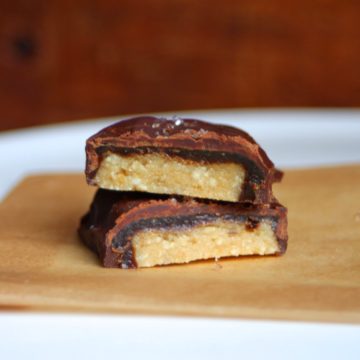
Candy! The one sugary concoction that seems to take the world by storm around the holidays. It is literally everywhere, in every form, shape, size, color, and flavor imaginable. Funny thing is, they are all essentially made with the same ingredients, or at least derived from the same sources; GMO corn, soy, and gluten. Yum. Growing up I never really had taste buds for candy. Because my mother has been feeding us real, organic/local food since we were little, I could easily tell how artificial “food” made me feel cruddy (i.e headache, sore throat, and toothaches).  Despite the fact that processed, high sugar confections are literally toxic to the human body (in that they dump a huge load of glucose into our bloodstream), I don’t believe treating yourself has to include the same detrimental effects.  In today’s recipe, I use bit of maple sugar to give the candy the sweetness it needs, without leaving you feeling as though you just guzzled an entire bottle of corn syrup. I would not advise trying to make it “healthier” by substituting with a sugar free alternative, as it is important to realize that when trying to cut back on sugar as a way to lose weight, or simply be healthier, substitutes are the last thing our bodies want. Not only are these alternatives abused, but they always seem to have a “catch” that is more harmful to our bodies than real, unprocessed versions like raw honey, pure maple syrup, or organic molasses.

One prime example of this would be xylitol, a common sugar substitute used in baked goods due to its lack of aftertaste.  Though thought of as safe, this ingredient is actually classified as a dense “acellular” carbohydrate source. This means unlike “cellular” carbohydrates that are naturally sweet in their whole form like sweet potatoes or blueberries, xylitol’s cellular wall is already broken down before ingestion. When eaten, our bodies do not know how to handle this foreign food, because it is in a sense pre-digested, thus not allowing our gut to break down the cell wall to access the glucose, and therefore overwhelming the gut.  Instead of benefiting our bodies, acellular carbohydrates mess with gut flora balance and impair metabolism, both of which cause a rise in overall inflammation.  Other examples of these acellular carbohydrates are other processed sweeteners (fructose, HFCS, agave, dextrose, malitol, etc.), grain based flours, PUFA oils and fat (shortening & margarine). Raw honey or maple syrup on the other hand, are not as foreign to the body. Yes, they are sugar, but they come from real, minimally processed sources, and are much more easily recognized by our bodies. Many people see alternatives as their “out,” or a way to continue satisfying their uncontrollable sweet tooth without actually trying or changing their lifestyle. Not only is this unhealthy for the body, but also from a psychological standpoint. Sugar substitutes have a time and a place, especially for people who cannot have sugar of any type due to serious medical reasons (like me), however, that doesn’t give one the right to over-do them. Eliminating processed sugar (and substitutes) allows one’s tastebuds to adjust, recognize the abundance of flavor present in real food, and ultimately enjoy eating on a whole new level.  I can tell you from personal experience that, it is truly crazy how sweet fresh fruit and even vegetables can taste on there own.As few notes on today’s recipe, you can form these candies into little logs or rectangle, or simply layer them in a lined loaf pan, either way works. Though the recipe calls for macadamia nut butter (which I made by blending 2 cups of macadamia nuts in a food processor until smooth), you can essentially use any nut butter that you have on hand such as almond butter. If wanting to eliminate even small amounts of cane sugar, I have included my quick and easy recipe for homemade “raw” chocolate, which hardens in the freezer due to the saturated nature of coconut oil. Either way is equally delicious, and I am sure you and your guests will enjoy these confections just as much as my friends and family!

Chocolate Caramel Nougat Bites

Print Recipe

Ingredients 

  • 1/3 cup Enjoy Life chocolate chips (or) homemade raw chocolate *recipe below
  • 1/2 batch of homemade caramel 
  • 1/2 cup almond, pecan, cashew, or macadamia nut butter 
  • 1-2 tbsp sweet potato flour 
  • 2 tbsp maple sugar 
  • 1 tsp coconut oil 

Nougat

  • Combine nut butter with sweet potato flour and maple sugar until fully mixed.
  • Using your hands, form nougat into logs and flatten to desired thickness in a parchment lined baking dish.
  • Once done, place dish into freezer until hardened. (10-20 minutes depending on thickness)

Caramel

  • While the nougat is hardening, make 1/2 of my caramel recipe in a medium sized pan, as directed.
  • Once finished quickly pour the hot caramel into a heat proof dish *This ensures it does not burn to the bottom of your pan.
  • Spoon equal amounts (about 1 tbsp) over each peace of hardened nougat, and spread into an even layer.
  • Place in freezer and allow to completely harden. (10-20 minutes)

Chocolate 

  • To make the chocolate shell, simply melt chocolate chips with one tsp of coconut oil over very low heat until fully melted, stirring every now and then to prevent burning. *Alternatively you can do this on a double broiler or stick the mixture in a heat proof bowl and into a warm oven.
  • Once caramel layer has hardened, spoon about 1 tbsp of the melted chocolate over the caramel layer, and smooth out with the back of your spoon.
  • Sprinkle with a bit of sea salt and place candies into the freezer for 1 hour (or until chocolate has fully hardened)

Homemade Chocolate 

  • If making homemade chocolate, combine 1/3 cup of melted coconut oil with 1/3 cup of cocoa in a medium sized mixing bowl until fully combined.
  • Mix in 2-3 tbsp of maple sugar, 1 tsp vanilla, and a pinch of sea salt.
  • Allow to cool slightly until the caramel mixture has hardened over your candies.
  • Once ready, spoon 1 tbsp of homemade raw chocolate over the caramel covered nougat.
  • Sprinkle with salt if desired, and place back in freezer for 1 hour.
  • Remove candies when ready to serve. *Be aware that the coconut oil will soften at room temperature, so make sure to always store candies in the freezer and serve immediately after removing.


2 Corinthians 4:18 “We fix our eyes not on what is seen, but on what is unseen. For what is seen is temporary, but what is unseen is eternal.”

Filed Under: beyondthebite, candy, Dessert, grain free, no bake, paleo, Sweets and Snacks Tagged With: 2 Corinthians 4:18, almond butter, candy, caramel, cashew butter, chocolate, halloween, macadamia nut butter, maple sugar, nougat, Paleo, paleo candy, pecan butter, primal, raw, treats

Paleo Debunking: Breaking the Cholesterol Myth

October 19, 2014

An average cholesterol blood test is the last thing that you want to rely on when determining your risk for heart disease, stroke, or blood clots.  Unlike popular belief, the term “cholesterol” does not simply stand for one particle that floats around in your blood, clogging up arteries as it goes. Instead, “cholesterol” really implies a variety of different lipoproteins that all have their own specific functions and importance. The three major players the blood are VLDLs (very low density lipoproteins), LDLs (low density lipoproteins), and HDLs (high density lipoproteins). These lipoproteins also contain different amounts cholesterol, triglycerides, and minor fats, all of which determine whether it is a harmful or beneficial particle to the body.  It is also important to note that when dietary intake of cholesterol is intentionally lowered (as is the case for most trying to avoid cardiovascular disease), the body naturally makes more in attempt to compensate for the loss. 


Quality Over Quantity 

HDL, usually termed the “good cholesterol,” take up approximately 30% of the total amount in a healthy individual, and has a job of cleaning the bloodstream of any oxidized cholesterol by taking it back to the liver for recycling or excretion.  VLDLs, which are made up of 80% triglycerides, produce in the liver and have the job of bring triglyceride and cholesterol to target fat and muscle cells throughout the body.  Once this transportation process is completed, VLDLs either become big, “fluffy” LDLs or small, dense LDLs. Big, “fluffy” LDL are for the most part harmless, as they are formed when triglyceride and insulin levels are low (a good sign that overall inflammation is low).  Conversely, when these big LDLs are present alongside of systemic inflammation from poor diet and lifestyle, they can become factors in the cause of heart disease.  Small, dense LDL on the other hand, are created when the opposite blood counts occur (high triglycerides and insulin), and cause an inflammatory immune response in arteries due to resisting oxidative stress created by the constant oxygen exposure.  Because of the differing sizes of these two LDL types, the average blood test accounting for the total value of cholesterol, shows to be useless. The real issue of the matter is not how big you overall LDL numbers are, but rather which types of molecules make up the amount (small and dense or big and fluffy). 


Process of Prevention 

Risks for heart disease occur when small, dense LDL (full of triglycerides via excess insulin production) are able to cram themselves into the sensitive ECL (endothelial cell layer) of an artery that has been previously damaged from inflammation in the body.  Though small, ECL cells are incredibly important in the body, due to the ability of detecting the tiniest chemical changes in the blood from poor external factors.  When they sense there is something wrong happening, an urgent response of the “inflammation alarm” is released. In healthy individuals, this pro-inflammatory response is very productive and helpful, as it is able to defend and aid in the healing of any arising problems.  However, in a compromised system (which is the case for those with high insulin and triglycerides), this response ends up worsening the issue through the release of macrophages– white blood cells that swallow cellular debris, which in this case is the small, dense LDL lodged in the ECL.  In effort to try and “eat up” the large amount of oxidized LDL molecules now stuck in the artery wall, the macrophages transform themselves into foam cells, which then produce a chemical (myeloperoxidase) that only further oxidizes the LDL debris. After all that, foam cells release yet another chemical (cytokines) that attracts more macrophages, making an inevitable and destructive cycle in the artery. When this inflammatory sequence happens, clots form from the accumulation of plaque, which then makes the chance of a rupture highly probable.  However, where a rupture occurs does not necessarily determine where it will stay, as they commonly detach from their origin and place themselves anywhere in the bodies circulatory system that they please. Two common examples of this are strokes, where an artery to the brain gets blocked, and a heart attack, where obstruction occurs in the coronary artery.  

Bad Cop Good Cop 

To say that this process of inflammation and pro-inflammatory responses (via the accumulation of small, compact LDL in an already weakened ECL) was due to cholesterol in animal meat and saturated fat, is very vague and deceiving.  Yes, cholesterol is present in the process leading up to a heart attack, however, it is not the one to blame.  In hopes to simplify the reasoning behind heart disease, experts have altered the way we view the helpful and essential assignment put on cholesterol in the body.  Accusing a helpless particle simply trying to balance inflammation in the body is quite ignorant, as it is clear that the real culprits are unhealthy external factors (excessive carb, sugar, processed food and oil intake, lack of exercise, and (or) too much chronic exercise.), all of which are NOT from actual cholesterol containing foods and saturated fat.  

The varying situations that truly act as precursors to heart disease, along with other major health problems like cancer include; Hyperinsulinemia (elevated insulin due to excess carb intake), high triglycerides (stored, useless form of fat caused by excess glucose), chronically elevated cortisol (stress hormone that promotes inflammation due to poor diet, chronic exercise, bad sleep, etc…), and not enough HDL (inefficient cleaning of damaged cells in the blood via poor diet, exercise, or statins). Putting these catalysts together, one can see that the main, reoccurring theme always seems to stem from the unhealthy and stressful diet and lifestyle that comes from living in an industrialization nation.  Not only do excess carbs produce overwhelming amounts of insulin in the body, but polyunsaturated, trans, and partially hydrogenated fats (see previous post), coupled with the lack, or wrong type of exercise, antioxidants, and saturated fat in one’s life, all come together to create an uncontrollable recipe for disaster.  Whether these health complications show themselves in the present moment of one’s life or not, the seemingly insignificant dangers will always, eventually, end up rearing their ugly heads.   

Instead of focusing on the overall blood count of your cholesterol, there are quite a few alternative routes that can serve as true indicators for any existing health problem that are much more reliable.  According to Dr. Cat Shanahan, one of the most important blood metric assessments for heart disease is the triglycerides to HDL count, which is ideally a ratio of 1:1, due to the dangers caused by excess triglycerides, or insufficient HDL. Others include blood pressure (ideally diastolic/systolic of 120/80 or lower), vitamin D (healthy: 50-70 ng/mL, treating disease: 70-100 ng/mL), fasting blood insulin, HbA1C (estimated average glucose test over an extended period), triglycerides (dangerous: +150 mg/dL, optimal: 100 mg/dL), and hs-CRP (“high sensitivity C-reactive protein” normal: 1 mg/L, pregnancy or systemic inflammation: 10-40+ mg/L).  Elevated markers that also indicate high risk of heart disease, cardiac mortality, damaged tissue, systemic inflammation, and overall health are Interleukin-6 (secretion of “T” white blood cells and macrophages), homocysteine (amino acid), CPK enzyme (creatine phosphokinase in the brain, heart, lungs, and skeletal muscles), LpA2 enzyme (promotes lipoprotein oxidation), ApoB protein (readings in context to “normal” ranges), LDL particle size & advanced lipid profile testing, and coronary calcium testing (via CT scan).  You can also request a separate reading for LDL particle size on your standard cholesterol test. 


What About Statins? 

The problem with statins is that they lower the overall count of your cholesterol (both LDL and HDL).  As discussed previously, not enough of the “good” HDL can lead to plaque build up, even in the presence of of a relatively low amount of small, compact LDL levels. Because this pro-inflammatory suppression of the liver’s cholesterol production stifles overall lipoprotein blood values, simultaneously ever cell membrane is depleting of their energy-producing coenzyme “Q-10,” which then causes fatigue, muscle pain and dysfunction, as well as inability to fight inflammation and free radical damage.  All negative side effects aside, statins have never even been proven to address excessive triglycerides or small, dense LDL levels, both of which are the real risks behind heart disease.  That being said, there have been a few random cholesterol lowering benefits that did occur for some people in high-risk populations, through incidental blood thinning, plaque-stabilization, and anti-inflammatory effects.  However, through various studies, it has been shown that after four years, prescribed multiple cardiac medications have risen their patients risk of mortality by 40%.  All in all, statins do not save people’s lives, nor do their subsidiary side effects (good or bad) make them a smart choice regarding overall health.  


Your Choice Only

Overall, the true causes for heart disease can be summed down to three things; oxidation, inflammation, and coagulation (thickening of the arterial wall).  No study, including the extensive  Framingham Heart Study, have ever shown a link between dietary fat, cholesterol intake, and heart disease.  Instead, poor external practices such as smoking and alcohol consumption, lack of exercise, carb-dependency, PUFA intake, and excess sugar, (all of which ultimately contribute to skyrocketing inflammation in the body) deceivingly turn the true “good guy” (aka cholesterol & saturated fat) into an inflamed internal mess.  Instead of depending on a vague and misleading number off an average cholesterol test, take into account the whole picture of your past and present lifestyle.  Consider the fact that common vehicles for butter and meat all happen to be be high insulin and inflammatory products, while those naturally full of saturated fats really are the real definition behind super food. 


(Pin Post For Later) 


John 16:33 “These things I have spoken to you, that in Me you may have peace. In the world you will have tribulation; but be of good cheer, I have overcome the world.”

Filed Under: Uncategorized Tagged With: 21 days, cholesterol, HDL, Health info, Health Myths, heart disease, john 16:33, LDL, lipoproteins, mark sisson, Paleo, primal, primal blueprint, saturated fat, statins

Paleo Maple Mustard Pork Chops with Sweet Cider Cabbage Slaw

October 16, 2014

Between October being the “national month of pork,” apples
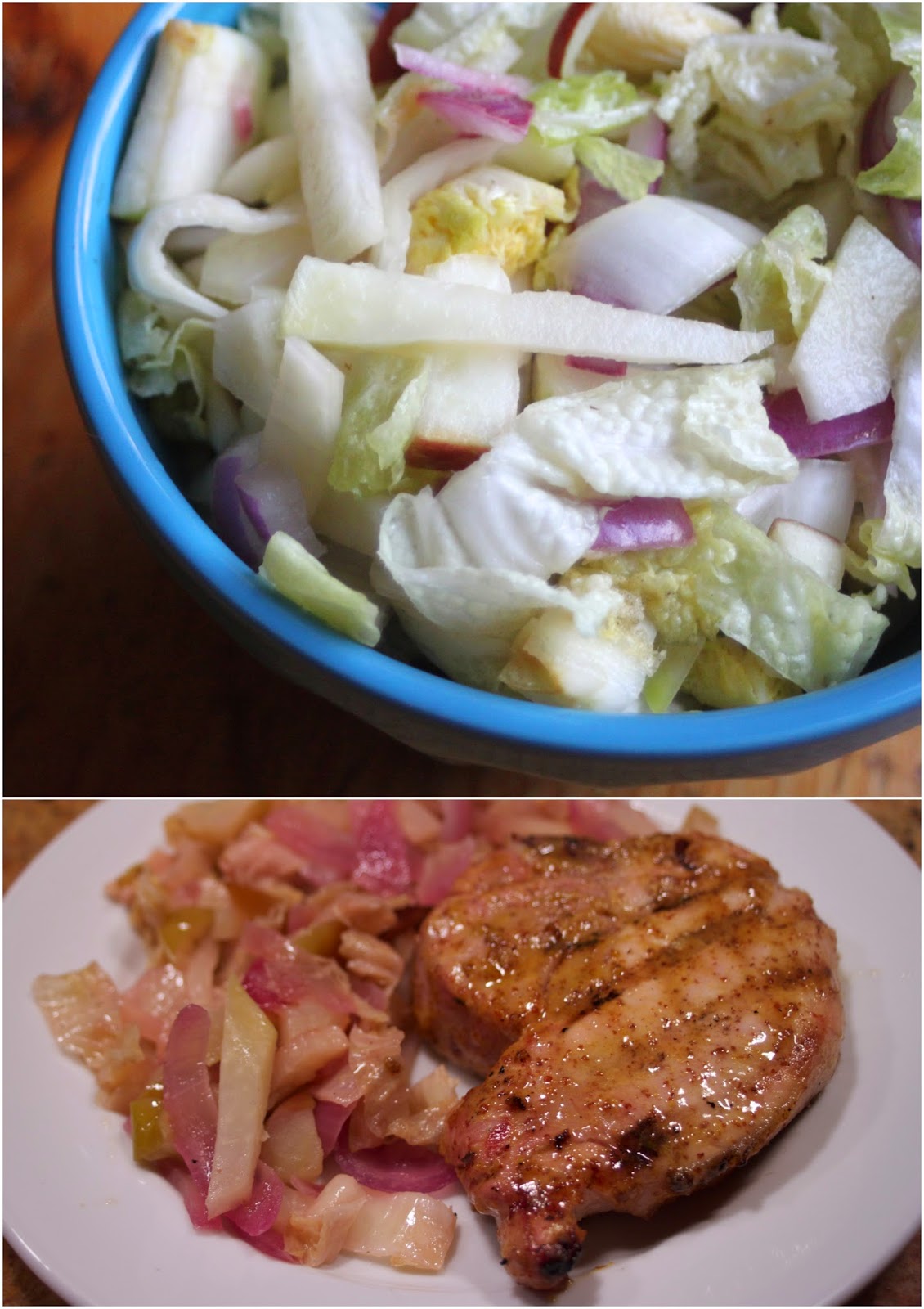
at their peek of harvest, and the sweetness of maple syrup catching everyone’s tastebuds, I knew combining the three into a simple, weeknight dish was a must. Keeping things simple is great but finding some of the ingredients can be challenging. This is why many people would like to know where to buy napa cabbage, it is a critical ingrediant but hard to obtain in some areas. It pairs fantastically with the meat. Essentially, this meal takes two steps. The first can be made as far in advance as the day before, or simply the morning of your planned dinner. All that comes next is the actual cooking of the pork chops, which only takes about 10 minutes either broiling or grilling, and then your done. I know grilling is not usually associated with cooler weather, however, I believe squeezing out all of the accessibility that a grill gives should be done until a literal blizzard hinders one from doing so. Not only do grills save your kitchen from becoming a mess, but there is something about freezing your butt off before dinner that makes a warm, home cooked meal that much more satisfactory. However, if all of that is completely unappealing to you, then simply broiling the chops on a baking sheet can be just as effective. I used Green Valley Farm meat, as it is literally 10 minutes down the road from my house, and I highly recommend you too find a local farm to source your meat. Not only do humanly raised animals yield a much more nutrient dense meat, but ultimately they are a lot tastier than any store-bought, antibiotic treated “protein.” If you are not convinced, here are a few reasons why eating local is better, and another ten reason on how to do so. Much like my stuffed pepper and pizza frittata recipes, this dinner was loved by my 15 year old brother who tends to be my biggest critic of all. If that doesn’t persuade you to make it, I am not sure what will, so with all that said, lets get cooking!
Maple Mustard Pork Chops
Print Recipe

(Serves 4)
Ingredients

  • 1/4 cup maple syrup
  • 2 tbsp Eden’s brown mustard
  • 2 tbsp homemade spicy mustard *This lends a subtle punch to the otherwise sweet marinade
  • 1/2 tsp salt
  • 1/4 cup olive or avocado oil
  • 4, 8 oz bone-in pork chops
Process
  • Mix first five ingredients together in a medium sized bowl or metal baking dish.
  • Place pork chops in marinade, coating thoroughly with hands, and covering with plastic wrap.
  • Let marinate over night (or) 4-5 hours.
  • When ready to cook, preheat grill or broiler, and cook 5 minutes per side on the grill (or) in a baking dish 4 inches away from the top broiler. *Cooking time will vary depending on the thickness of your chops.
  • Remove from heat and let sit for 5 minutes to lock in the yummy juices.
Sweet Cider Slaw
Print Recipe
(Serves 4-6)
Ingredients
  • 4-6 cups napa cabbage – shredded
  • 1/2 medium sized purple onion -thinly sliced
  • 2 medium sized apples – diced
  • 1 lemon-juiced
  • 2 small kohlrabi – shredded *or thinly sliced with knife
  • 1/2 cup apple cider juice
  • 1/2 tsp sea salt
  • 1 tbsp olive oil
Process
  • In a large mixing bowl, combine shredded cabbage, onion, kohlrabi, apples, and sea salt.
  • In a measuring cup, mix together the cider, salt, lemon juice, and olive oil.
  • Pour sauce over slaw and mix thoroughly with hands until fully coated.
  • Cover with plastic wrap and let marinate overnight (or) until dinner *Preferably 4-5 hours.
  • Serve raw or lightly sautee in a large skillet until desired texture.


1 Thessalonians 5:17 “Pray without ceasing, in everything give thanks, for this is the will of God in Christ Jesus for you.”

Filed Under: AIP, autoimmune paleo, beyondthebite, chronic lyme, ketogenic, meat, paleo, pork, Protein Dishes, vegetables, Vegetables and Sides Tagged With: 1 Thessalonians 5:17, apple, apple cider, cabbage, cider slaw, green valley farm, ketogenic, kohlrabi, local, maple syrup, Mustard, Paleo, Pork Chops, primal

Paleo Debunking: FAT Phobia – Part 3

October 14, 2014

img_9894-cr2

In today’s modern society, when most people think of “energy” or daily “fuel,” carbs, sugar, and energy drinks all seem to come to mind. Yet if you were to also ask the same group of people how they were feeling at that given moment, it probably would be somewhere along the lines of tired, worn out, needing a nap, or just wanting some type of “pick me up” (usually in the form of a mocha or protein bar). While all of these things might seem like they do our bodies good for a moment, in reality, they are not doing half of the things we have been tricked into believing.  In today’s post, I will discuss how our bodies use fat, and why they prefer this essential food group over carbohydrates any day. If you have just tuned into my FAT Phobia series, you can read parts 1 and 2 here and here.

A Body Made for Fat

Though it is true that glucose is essential for muscle and brain function, it does not necessarily need to be obtained through external dietary sources for our bodies to properly function.  In fact, we were not designed for a constant intake of carbs, as can be observed by our ancestors thousands of years ago who, before the beginning of civilization, obtained adequate amounts of natural carbs through seasonal fruit and vegetables.  However, these sources were not always available, as people merely stocked up on carbohydrates in the summer as a way to survive future famines and long, wintery months where food was limited, and if anything, mostly in fat and protein form.  This is in large contrast to today’s world, where processed foods are not only continually made and consumed in excess amounts, but are also much higher in sugar and carbohydrates than any natural, whole foods source that our ancestors may have eaten hundreds to thousands of years ago.

If hunter gatherers relied on their “four o’clock” snack to get them through the work day, or a “post-workout” shake to help them go out and hunt again, they would have been in major trouble.   In modern society, our bodies have come to fully rely on foods full of sugar and carbs, and are left feeling as though we are “starving” without them.  However, this is just one of the consequences from living in a grain-based, carb dependent world, and ultimately is making everyone into a “sugar burner.”  Though this is great for industry and marketing sales, it is the last thing our bodies want to happen.

Fat vs. Carbs

Unlike fat, carbohydrates (in any form) are converted by the liver into glucose, which when entering the bloodstream, prompts the pancreas to produce insulin as a way to regulate how this blood sugar is utilized.  Our bodies naturally first use glucose as energy, with the excess being directed into our liver and muscles to be stored in the form of glycogen.  However, this storage space is very limited, and once maxed out, makes insulin receptors tired of trying to do their job, thus becoming “resistant” and pushing any incoming glucose into fat cells.  It is here that incoming calories (regardless of the type) become locked up and useless, and are otherwise known as triglycerides.  This hoarding component of fat initially caused by excess carbohydrate intake creates a variety of inevitable and (or) seemingly invisible issues such as weight gain, stubborn fat, damaged cell membranes, depleted and fatigued muscles, cravings, cramps, exhaustion, decrease in athletic performance, anxiety, eating disorders, and many diseases such as type 2 diabetes and heart disease.

what-not-to-eat2-1

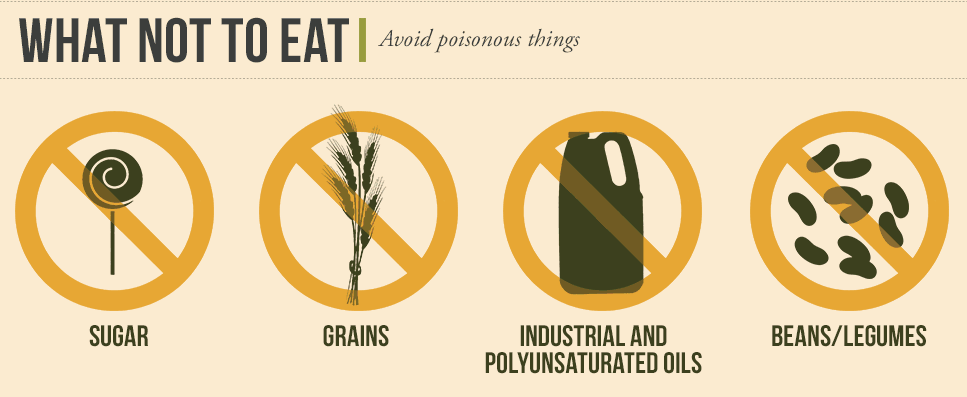
When little is known about the word “keto,” red flags are usually instantly sent off in one’s minds.  However ketones, or a state of “ketosis” is not at all dangerous and should never be mistaken for “ketoacidosis.” Ketones on the other hand, are our bodies preferred source of fuel that are made in the liver when glucose and blood insulin levels are low.  Before going on, I would like to point out that our bodies only need 150 grams of glucose to preform properly, which can be more than fulfilled through a nutrient rich diet of protein, veggies, and fruit.  In fact, once we get our bodies away from the lie that is “carb dependency,” our requirements go down to only 50 grams, as ketones (an alternative fuel source) are produced by the body on its own (no protein shakes required).  One prime example of this process is our liver that, through gluconeogensis, is able to produce ample amounts of glucose without utilizing the bloodstream, via ingested fats (aka no blood sugar spike).  However, if glucose and insulin levels are high, the body is unable to create ketones, making them completely absent from the average American.  Instead, ketone production is suppressed, leaving individuals highly sensitive to having routine meal times and dietary fueling of carbohydrates. However, this is not the way our bodies were intended to run, but instead, where meant to be fat-adapted.  Being keto-adapted does not mean your body is in a state of constant hunger (as is the actual case for the standard American diet) but instead, able to burn ketones efficiently, cleanly, and without any stress or thought.  Not only does this state calm inflammation throughout the body, but ideal body weight is obtained, athletic performance and endurance is increased, and an overall state of well-being is obtained.  However, one can not simply become fat-adapted by restricting carb intake, as this only strips the body of lean muscle tissue, causes severe cravings, fatigue, and stress, due to the brain still believing it is lacking the necessary glucose and amino acid requirements to survive. Yet it takes only 21 days to break this sugar-burning cycle, none of which includes obsessive exercise or starvation dieting.

Calling all Athletes

As a prior athlete, I am well aware that carbs are viewed as one of the greatest ways to build muscle and preform stronger.  However, this dependency on carbs does the exact opposite of the two main things we are looking for; endurance and strength.  Relying on limited blood glucose and muscle glycogen stores leaves one without a sustainable energy source due to the body not having a large storage capacity.  Once these sources are depleted (which happens relatively quickly), an unhealthy need for dietary carbs ensues in order to restock the muscle and liver that has just been weakened and depleted.  Though you might like this “necessary” need for eating excessive amounts after a workout, you are ultimately doing your body the furthest thing from a favor, not building muscle, burning any fat (if wanted), or becoming the better athlete you were hoping for. A great example of glucose dependency would be a marathon runner who needs a mid-run snack to replenish glucose needs. It goes to show that chronic cardio eventually always leads to burnout, due to the high demand and stress on the body from not being able to correctly burn fat, causing high insulin, overall systemic inflammation, weight gain, and even the inability to “bulk up.”  Learn more about slowing down and lifting heavy things here. 

how-to-exercise

Never Ending Benefits

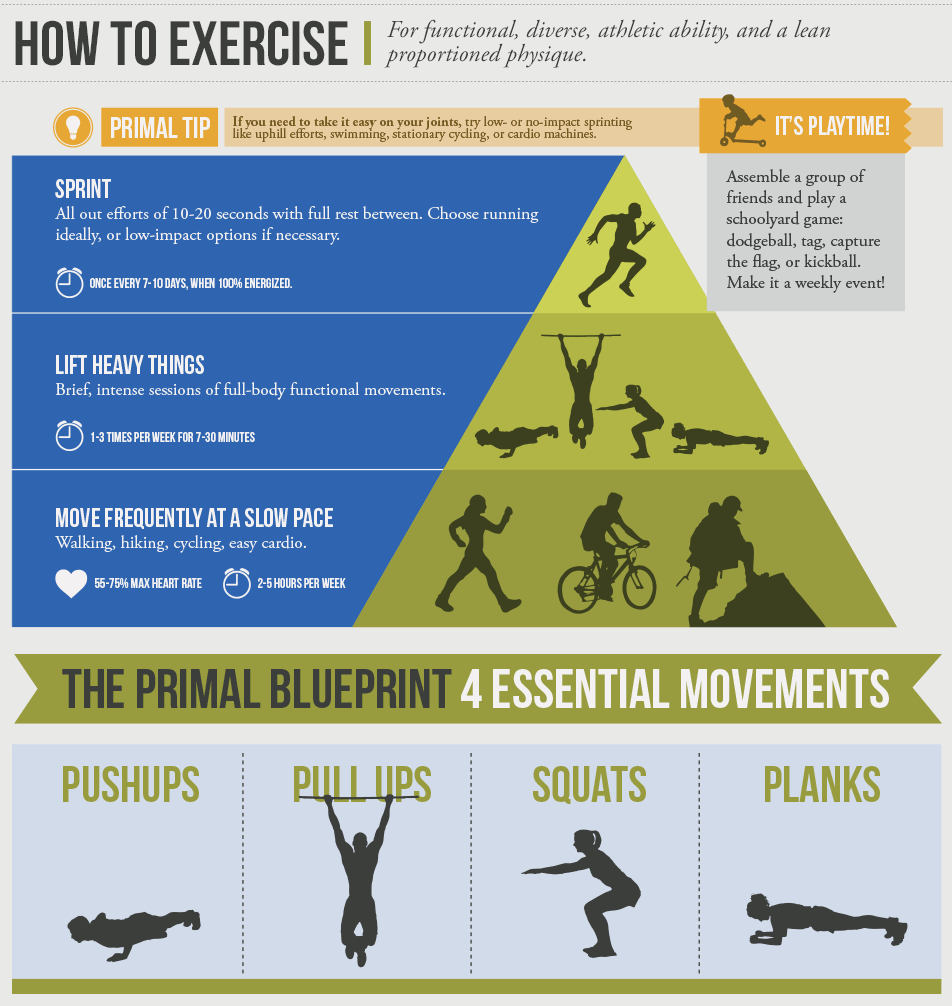
However, when one is fat-adapted, they are no longer relying on glucose and glycogen stores for energy, enabling them to tap into fat cells for stable, long term energy and (if wanted) muscle retention.  There is no “low blood sugar” crashes, nor the need for the body to take amino acids from existing tissue, as it is already pre-programmed to create ketones when supplies are seemingly low. Instead of running on a treadmill like a hamster to get stronger and (or) lose unwanted fat, low intensity cardio, paired with high intensity sprint workouts is recommended for an ideal fat burning and a truly strong, healthy body inside and out. Another term for being keto or fat-adapted is what Mark Sisson has termed as being “primal.”  This state of being promotes longevity by reducing cell division (the cause for cancer and other diseases), enhances cell repair, immune function, and optimized hormone production.  Instead of trying to “ramp up” your metabolism by excessive exercise, starvation or a low-fat diet, turning back to how we were created to function by thriving off of real, untainted, natural energy sources (via fat, protein, veggies, and fruits), provides our bodies and mind with an ideal state of health.  Fearing weight gain, chronic disease commonly associated with age, or any state of simply feeling undernourished and unsatisfied in this world, is not necessary.  Though it seems we are literally born with the statement that carbs are essential to living and “fat is the devil” sketched into our brains, conventional medicine could not have gotten it any further from the truth. By writing this three part series, I not only hope to take the fear of fat completely away from individuals, but also the unnecessary stress that comes with living in a world so industrialized and programmed into only doing what society “recommends.” Living primal is all about being flexible in every aspect of life, as our ancestors did not have the same highly structured schedules as we do in today’s modern world. Being smart and intuitive about your body, not buying into food and medicine lies, excelling in athleticism and studies, regaining your health that has really always been there, being stress free, and ultimately living a full and long life, is truly what being “primal” is all about.  Learn more about how what we were created to eat, move, and live here and here.

 
Proverbs 23:18 “There is surely a future hope for you, and your hope will not be cut off.”

Filed Under: Food and The Human Body, Uncategorized Tagged With: chronic cardio, Fat, fat adapted, Fat phobia, Health info, ketogenic, mark sisson, Paleo, part three, primal, primal blueprint, Proverbs 23:18

Chewy Paleo Cinnamon Sugar Cookies (AIP-friendly)

October 12, 2014

IMG_9825

Between numerous allergies, any issues.  No reactions, flare ups, bloating, pain, itching, headaches, gas, leg swelling, or throat closure, none of it, zilch, nada, is that too much to ask? Though its been over 5 years since I’ve actually felt good after eating (regardless of the item) I do fully believe one day this will happen. However, in the meantime, I try and make food as interesting as possible by playing with the limited items that I can have (though they still never leave me feeling good).   Today’s recipe came of a place of utter frustration with eating, a place I’m sure anyone with a chronic illness has experienced.  I havehaving to follow a ketogenic diet, and being sensitive to FODMAPs, sometimes greens, greens, and more greens, along side a slab of protein simply becomes completely unappetizing.  Since being ill (or at least for me ) also includes feeling cruddy after anything you eat, one of my biggest goals is to just be able to eat vegetables and meat without not ever viewed food as evil, I have made sure of that, as this can easily cause an unhealthy relationship with it.  Instead, I change my taste buds, embraced what God has given me, and realize it is just one aspect of life that, though I cannot live without, is necessary.  If I am going to eat (and I do, everyday, every meal, regardless of the pain involved), I believe it should be worth it, or as I say “worth using my allergy card on.”  Of course, everything I eat is paleo, as this is simply how I have eaten for years, plus it is now a must for part of the PK Protocol to heal my damaged cells.  Going back a few years however, I began eating paleo as a way to cope with severe SIBO that came on from years of nerve damage in my small intestine (via untreated, Chronic Lyme).  Helpless and without any significant direction from any doctors, I searched the internet search engines high and low for ways (outside of antibiotics) to help rid myself of the ugly bacteria literally making bugs drop down and die when they flew near me (no joke.)  Eventually, I came across the Low-FODMAP approach, which after more extensive research and thought, was embraced head on, leading me to eat a “paleo” diet without even realizing it had a name.  My parents spend so much of their money, time, and energy trying to constantly help me make it through each day (and ultimately come to full healing), and for that I am incredibly blessed. Because of this, I see paleo eating as my contribution to the healing process by taking the initiative to regain health, regardless of the difficulty or odds.

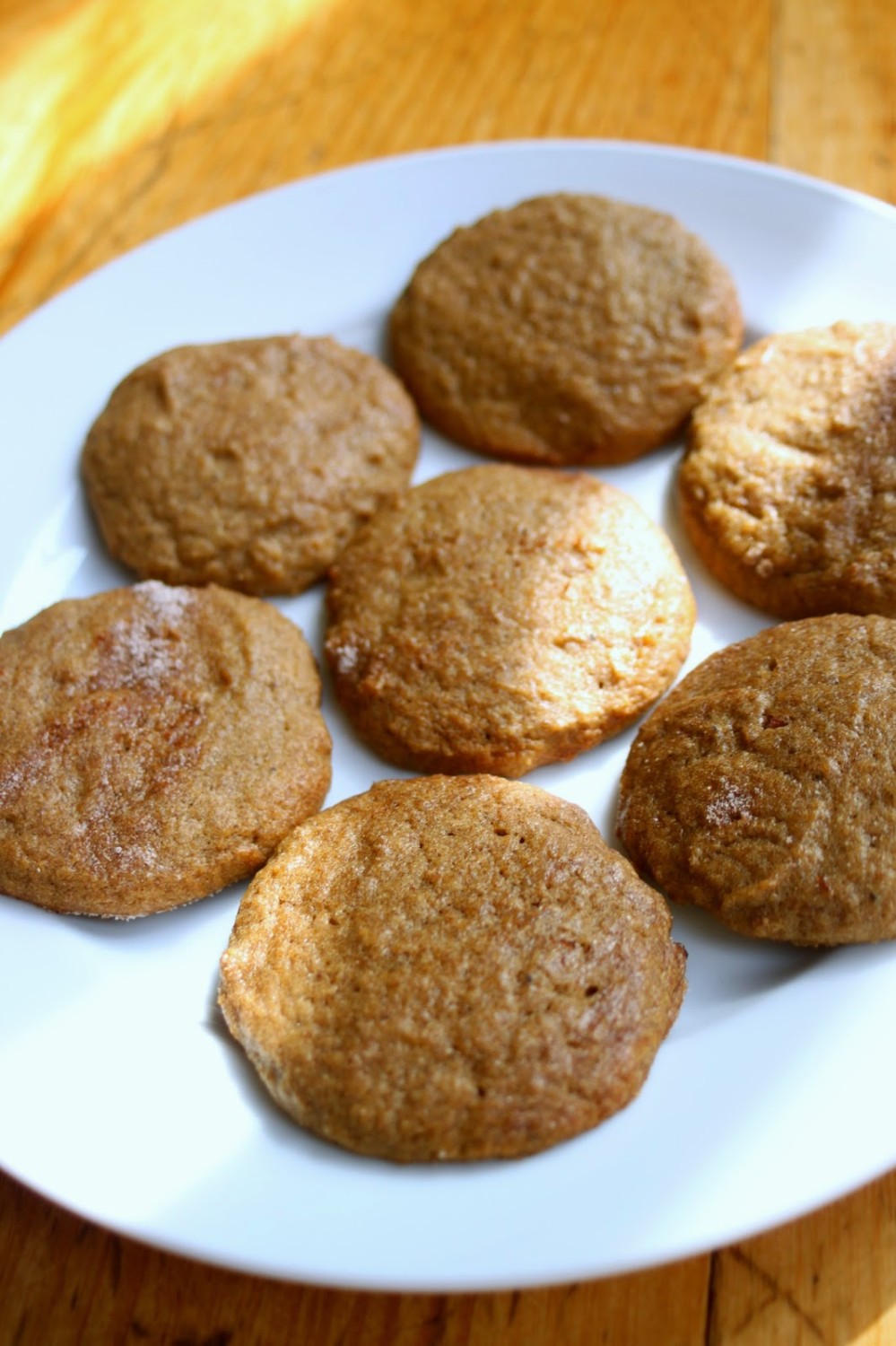
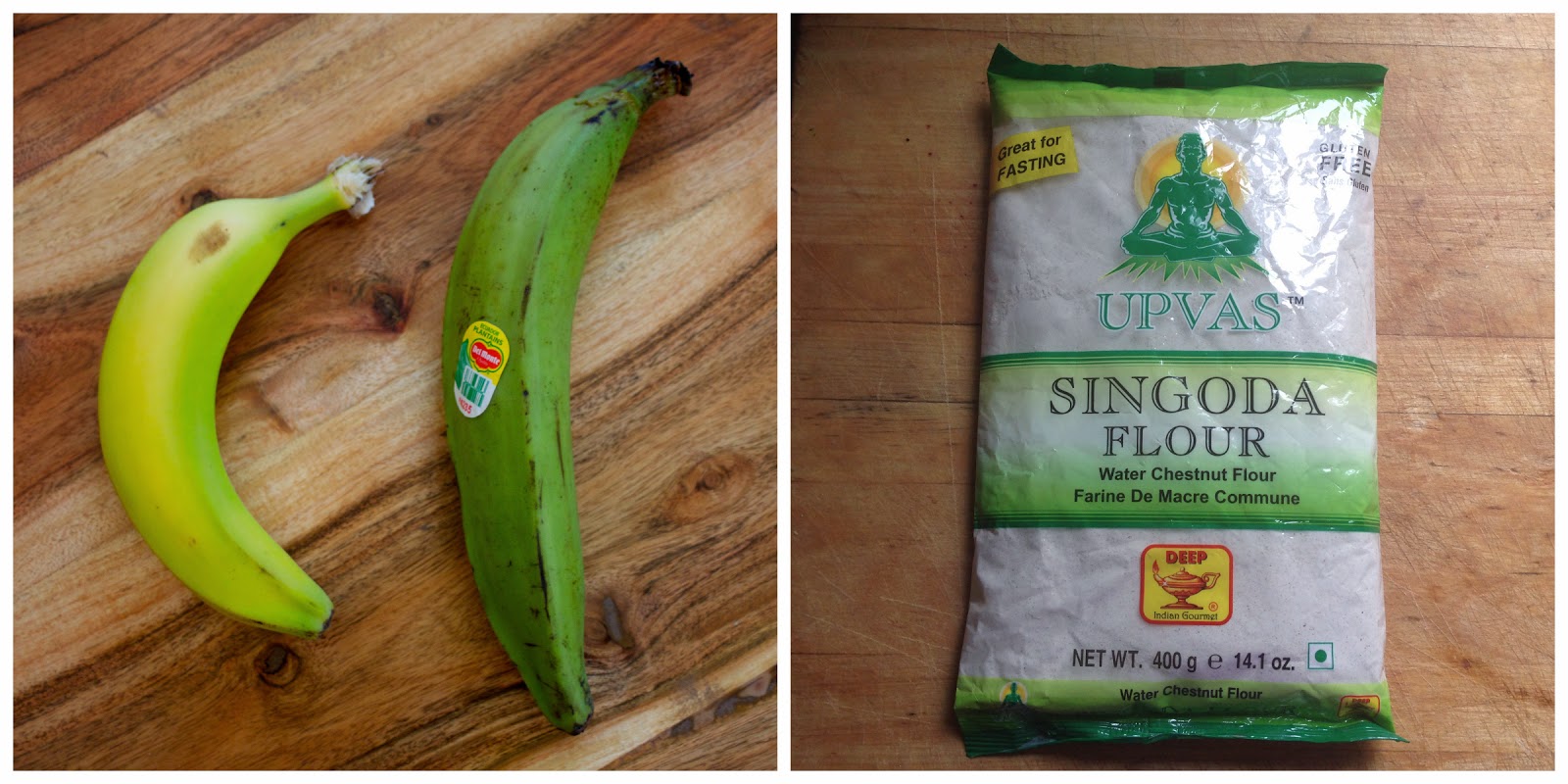
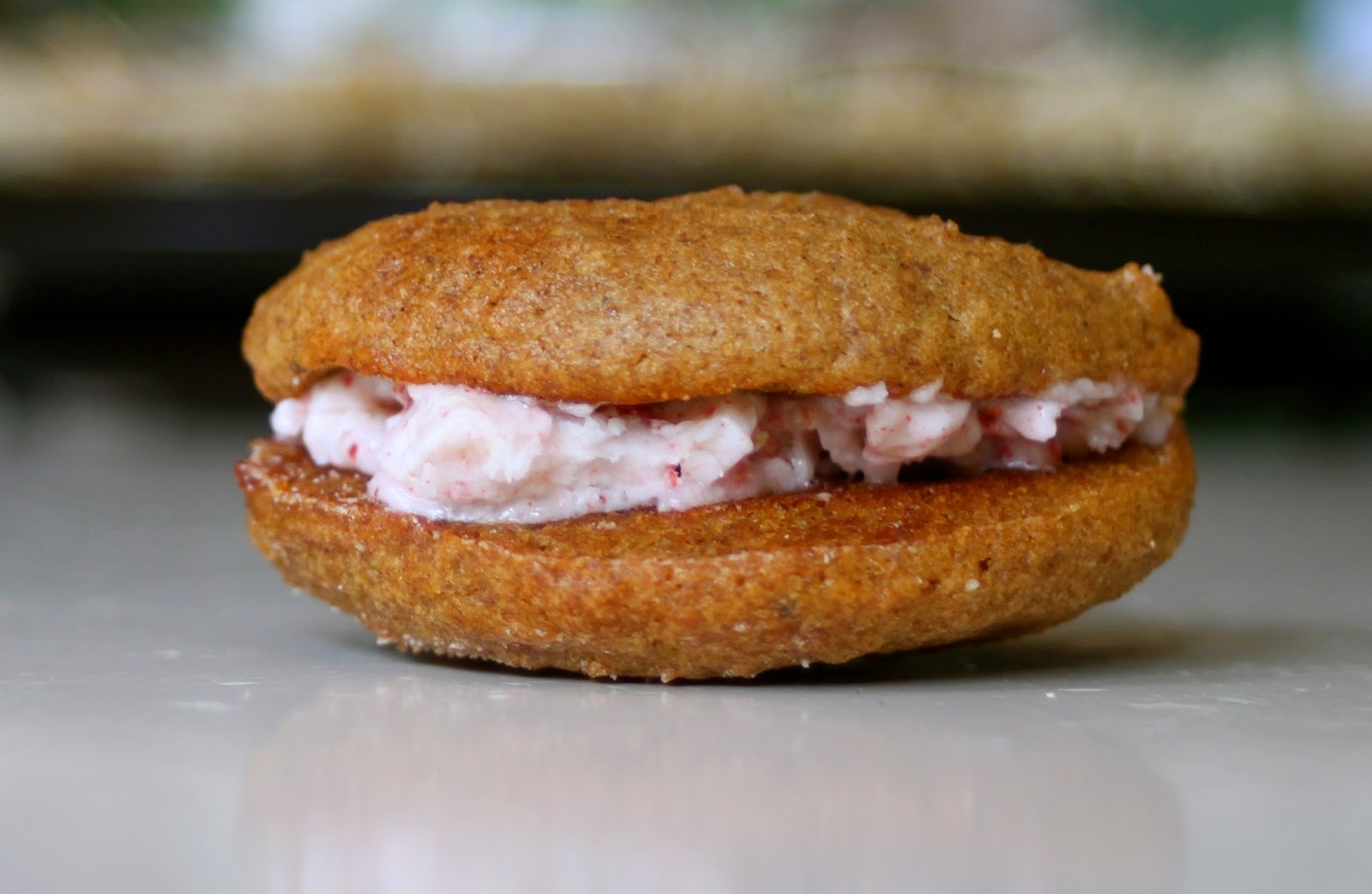
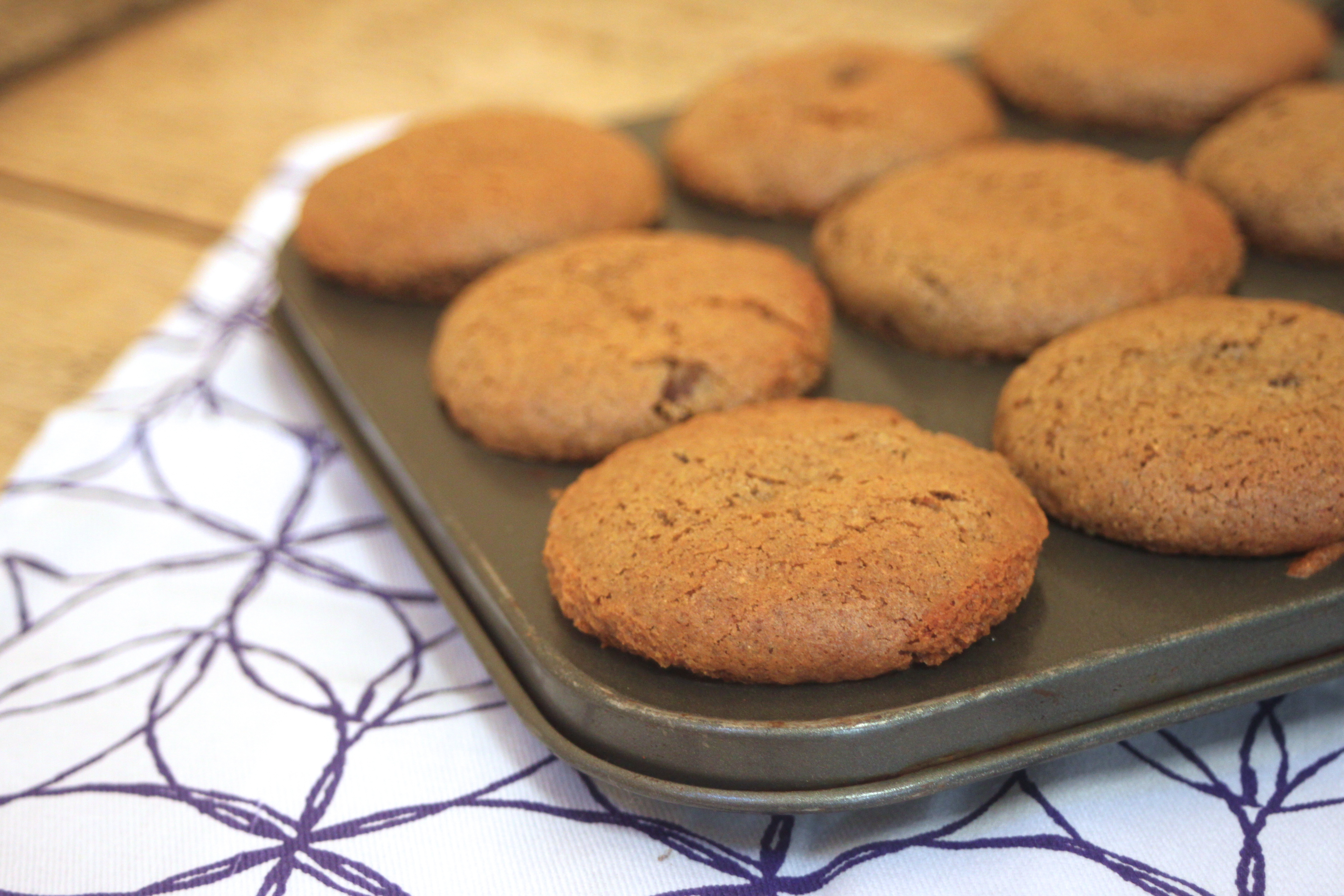
As I said earlier, between all my other daily health symptoms, eating can get monotonous.  In effort to try and “spice things up” I decided to try and make a cookie recipe that, in moderation, could fit into the low-carb diet I must follow. Green plantains were a must, as they are are full of prebiotics and relatively inoffensive.  Prebiotics, though not as well known as “probiotics,” are extremely important in having a balanced GI track, as they are what our internal bacteria feed off of.  These indigestible agents are also known as “resistant starch,” meaning they cannot be absorbed as glucose in the blood, avoiding the dreaded insulin spike and sugar crash.  In return, it actually fuels the production of a fatty acid called “butyrate,” which is used to lower overall inflammation in the body.  All in all, resistant starch helps your gut become stronger, flushes away harmful microbes, while making you pleasantly satisfied in the process.   Interestingly enough, foods such as rice and potatoes actually turn into significant sources of resistant starch after they have cooled, as this allows for the carbohydrate structure to be altered, leaving them “resistant.”  Green bananas and plantains however, are two of the easiest ways to get these helpful prebiotics without the incredible carb load.  Though I used chicory root “Just Like Sugar” as a sweetener (due to not being able to have any type of sugar on the PK Protocol), I made the recipe for my family using granulated maple sugar.  However, I am sure coconut sugar would work just as well.  Any thick, saturated fat like coconut oil can also easily replace the non-hydrogenated palm shortening I use, however, this oil tends to be pretty non-offensive for my body as well.  I used water chestnut flour that I bought here, though I believe a more common Paleo-friendly flour such as arrowroot, tapioca, or previously featured sweet potato flour would work also.  All in all, this recipe is free of nuts, coconut, grains, dairy, and eggs, yet somehow comes out exactly like a delicious, chewy cinnamon cookie.  First time making these, my plantain was more yellow than green, which made a moist, thinner cookie than the second batch using a completely green plantain (making it thicker and chewier).  Therefore, be aware that results may vary due to the ripeness of your plantain, and if you can’t get your hands on any, I am sure green bananas would work great instead. For added pleasure, frosting the cookies with my strawberry “buttercream” recipe or a bit of melted coconut butter is delicious.

Chewy Cinnamon Sugar Plantain Cookies

Print Recipe 

Ingredients

  • 1 yellow-green plantain (7 oz without peel)
  • 1/4 cup water chestnut flour
  • 1/4 tsp baking soda
  • Pinch of salt
  • 3/4 tsp cinnamon
  • 3 tbsp room temperature non-hydrogenated palm shortening
  • 1/4 cup maple sugar

Process 

  • Preheat oven to 350 degrees and line a baking sheet with parchment paper.
  • Peel, chop, and place plantain into a food processor fitted with the “S” blade. *It is easiest to peel plantains at root temperature
  • Allow machine to run until plantain begins to break down into a smooth paste.
  • Add baking soda, water chestnut flour, palm shortening, cinnamon, pinch of salt, baking soda, and granulated sweetener of choice, letting food processor run until everything is fully incorporated.
  • Using a cookie scoop, dollop cookie dough onto lined baking sheet, flatten with the back of your scoop, and bake for 15-18 minutes.
  • Remove from oven and let rest on baking sheet until cool enough to handle.

 Recipes Notes

I frosted mine with this  Strawberry Buttercream Frosting


Philippians 2:3-4 “Do nothing out of selfish ambition or vain conceit. Rather, in humility value others above yourselves,  not looking to your own interests but each of you to the interests of the others.”

Filed Under: AIP, autoimmune friendly, autoimmune paleo, coconut free, cookies, dairy free, Dessert, egg free, gluten free, grain free, low carb, plantains, Sweets and Snacks, vegan, water chesnut flour Tagged With: Baking, chicory root, cinnamon, cookies, egg free, food, grain free, low-Fodmap, nut free, Paleo, Philippians 2:3-4, plantains, primal

Paleo Debunking: FAT Phobia – Part 2

October 10, 2014

Once you have come to terms that real fat is good for you (see Part 1), choosing which type to incorporate into daily life can seem even more confusing.  In FAT Phobia, Part 2, I will discuss the differences of various fats,  along with which ones we should emphasize and which ones to ignore.

Types of Fat

There are three types of fats; saturated, monounsaturated, and polyunsaturated.  The difference between these fats has to do with their fatty acids – chains of carbon and hydrogen atoms attached to a carboxyl group.  Saturated fats are considered stable against damage, and therefore the healthiest for consumption, because all of their carbon bonds are occupied with a hydrogen. However, when a fatty acid chain has 1 double bond of carbons (carbon to carbon, not carbon to hydrogen), it is a bit less stable, and is called Monounsaturated.  Knowing that “mono” means one, makes it relatively easy to guess that Polyunsaturated refers to fatty acid chains that have two or more double carbon bonds.  This higher number of double bonds in polyunsaturated fats makes them extremely fragile and highly prone to damage, thus they should never be heated.

Saturated Vs. Unsaturated

If all carbon and hydrogens are bonded (which is the case for saturated fats), the hydrocarbon chains are straight and compact, thus allowing the “fat” to be solid at room temperature.  However, when carbon double bonds occur (otherwise known as being mono or poly-unsaturated), there are kinks or “bends” in the overall structure making it “loose,” or otherwise known as an “oil” product at room temperature. This is where the irony of butter substitutes such as margarine comes in, as they are originally vegetable oils that are then later chemically altered.  The photos below compare both an unsaturated and saturated bond.

Omega-What?

From polyunsaturated fats, there are two fatty acid categories that are essential for our body, meaning we can not get them anywhere else but from food.  Omega-3’s, usually viewed as the “good guy” with anti-inflammatory benefits, get there name from having a double bond on the 3rd carbon in its fatty acid chain (hence the number “3”).  Omega 6’s have a double bond on the chain’s 6th carbon atom, and are usually seen as the “bad” guy due to having lower anti-inflammatory benefits than omega-3’s, coupled with their potential pro-inflammatory precursors.   However, omega-6’s are only harmful when they are consumed in excess.  This is one of the reasons why the Standard American Diet is so harmful, as the omega 6: omega 3 ratio is much higher than the suggested 2-4:1 at a whopping 20-40:1.  Because the fatty acids from omega 6 and 3’s are both constantly working on the same enzyme pathways to occupy our cells,  having a significantly higher omega 6 count raises inflammatory markers in the body, which then results in a plethora of serious health issues.  However, when there are enough omega-3’s present in the body, inflammation is kept at a balance, resulting in overall wellness and protection against illness. Foods that contribute to omega-6 dominance in the body include all forms of processed oils, carbs, sugars, conventionally raised animals and dairy products (due to they themselves being omega-6 overloaded through a grain-based diet), and pretty much any other pre-packaged food.  Reversing too much omega-6 in the diet can not simply be fixed by increasing omega-3 intake, but rather by eliminating processed junk and replacing it with whole food sources.  

Trans or Hydrogenated?

As I said before,  all polyunsaturated fats are naturally liquid at room temperature.  Because of this, trans or hydrogenated products should clearly send off warning signals in our minds.  Partially hydrogenated oils are made when through the process of hydrogenation (when an unsaturated fat is put under extreme, pressurized heat, and mixed with toxic metallic solvents), which then alters the chemical structure into a saturated fat (i.e. solid at room temperature). Trans fats are the chemically altered by-products that occur during the process of hydrogenation, and also can easily be oxidized, resulting in free radical chain reactions in the body when ingested. They get there name from the change in normal “cis” structure of the fat into “trans” form.   Though hydrogenated products have a longer shelf life, consuming their changed molecular structure causes immediate and direct adverse chemical reactions in our cell membranes, which lead to systemic inflammation, a dysfunctional immune system, obesity (due to inability to metabolize fat), and many other disease and illnesses (including heart disease, cancer, diabetes, etc…). Because the awareness of partially hydrogenated trans fats is spreading, the industry has created a “new” chemically altered oil known as “interesterified.”  Essentially, this product is just as harmful as its “trans” and “hydrogenated” cousins. Sources of trans/hydrogenated oils include all vegetable oils, margarine, shortening, and all the foods that are cooked and (or) fried in these products such as fast food, packaged/processed items, baked goods, doughnuts, etc…

Things to Remember

(Print)
  • Saturated fats are naturally solid at room temperature, while unsaturated are liquid at room temperature and thus called “oil.”
  • There are 3 types of fats: Saturated, Monounsaturated, Polyunsaturated.
  • Saturated fats are the most stable making them suitable for high heat cooking.
  • Monounsaturated oils are less stable and thus should be reserved for moderate to low temperatures.
  • Polyunsaturated oils are incredibly fragile and should never be heated, as this changes them into literal poison (i.e vegetable oils; canola, safflower, soybean, cottonseed, sunflower, etc…)
  • Omega 3 and 6’s are fatty acids derived from polyunsaturated fats.
  • Omega 6’s are only harmful when the body encounters excess amounts (as is the case for all processed foods and oils.)
  • Adequate amounts of omega 3’s can be easily met by eating oily, cold water fish.
  • Chemically made trans/partially hydrogenated oils are extremely detrimental to the body and should be avoided at all costs.

View parts 1 and 3 by clicking here & here.


1 Corinthians 2:9 “As it is written ‘No eye has seen, no ear has heard, no mind has conceived what God has prepared for those who love Him.”

Filed Under: Food and The Human Body, health article Tagged With: 1 Corinthians 2:9, body bio oil, Fat, fat chart, Fat is fuel, Fat phobia, Guide to fats, Health info, Healthy myths, monounsaturated, omega 3, omega-6, Paleo, Part 2, polyunsaturated, primal, saturated, trans fats

Paleo Baked Two-Bite Brownie Treats

October 7, 2014

 While writing up part 2 on my FAT Phobia series, I figured I would share a recipe that recently became an instant hint in my house.  Just this past week, after putting my “Asian” stuffed peppers into the oven, I decided to whip up a quick dessert for the family.  However, as many of you know, most paleo desserts can’t simply be “whipped up” out of nowhere.  Unless you have almond flour ready and accessible, the process can become long and messy, exactly what I did not want to happen after expending all my energy on dinner.  After a few minutes of quick Pinterest searching, I decided to “wing it” using some half empty nut-butter jars sitting in the fridge. Combing leftover hazelnut butter with a bit of cocoa and maple syrup created perfect little “Nutella” brownie bites, while pecan butter, pumpkin pie spice, and chocolate chips, made a fall-kissed blondie.

In reality, these two recipes are practically identical except for the few alterations, and there is also no need for fancy tools, as they can easily be thrown together in a standard mixing bowl.  Because they are sweetened with just a bit of maple syrup, both treats are great for when you want something sweet, without any jittery “side effects.” For those who are wondering, I was unable to take photos of the brownie version, as I was hooked up to an IV pole and thus did not have my camera on hand.  It was not until I found the recipe to be such a success, that I made and took pictures of the pumpkin spice version.  Despite the lack of photos, I hope you will enjoy both recipes as much as my friends and family did!

Pumpkin Spice Blondies

Print Recipe

Ingredients

  • 1/2 cup homemade pecan butter 
  • 1 egg
  • 1/2 tsp baking soda
  • 1/4 cup sweet potato flour *tapioca or arrowroot might also work
  • 1/4 cup maple syrup
  • 1/4 cup Enjoy Life chocolate chips
  • 1/2 tsp pumpkin pie spice

Process

  • Preheat oven to 350 degrees
  • In a medium sized mixing bowl, combine egg, maple syrup, and pecan butter, stirring until smooth.
  • Next, add baking soda, sweet potato flour, and pumpkin pie spice.
  • Once dry ingredients are fully incorporated, scoop mixture into a well greased mini-muffin tin.
  • Place in the oven and let bake for 15 minutes.
  • After done baking, remove from the oven and let cool completely.
  • Once cool, simple pop the blondies out of the pan by gently knocking it upside down


“Nutella” Brownie Bites

Print Recipe

Ingredients

  • 1/2 cup hazelnut butter
  • 1/2 tsp baking soda
  • pinch of salt
  • 1 egg
  • 1/4 cup maple syrup
  • 1/2 cup Enjoy Life chocolate chips
  • 1/4 cup unsweetened cocoa powder

Process 

  • Preheat oven to 350 degrees.
  • In a medium sized mixing bowl, combine egg, maple syrup, and hazelnut butter, stirring until smooth.
  • Next, add baking soda, salt, cocoa, and chocolate chips.
  • Once dry ingredients are fully incorporated, scoop mixture into a well greased mini-muffin tin.  *I use this cookie dough scoop.
  • Place in the oven and let bake for 15 minutes.
  • After done baking, remove from oven and let cool completely.
  • Once cool, simply pop the brownies out of the pan by gently knocking it upside down.


Psalm 18:30 “As for God, His way is perfect; the word of the Lord is proven; He is a shield to all who trust in Him”

Filed Under: dairy free, Dessert, grain free, low carb, paleo, Sweets and Snacks Tagged With: blondies, brownie bites, brownies, chocolate, grain free, hazelnut butter, ketogenic, maple syrup, nutella, Paleo, pecan butter, primal, Psalm 18:30

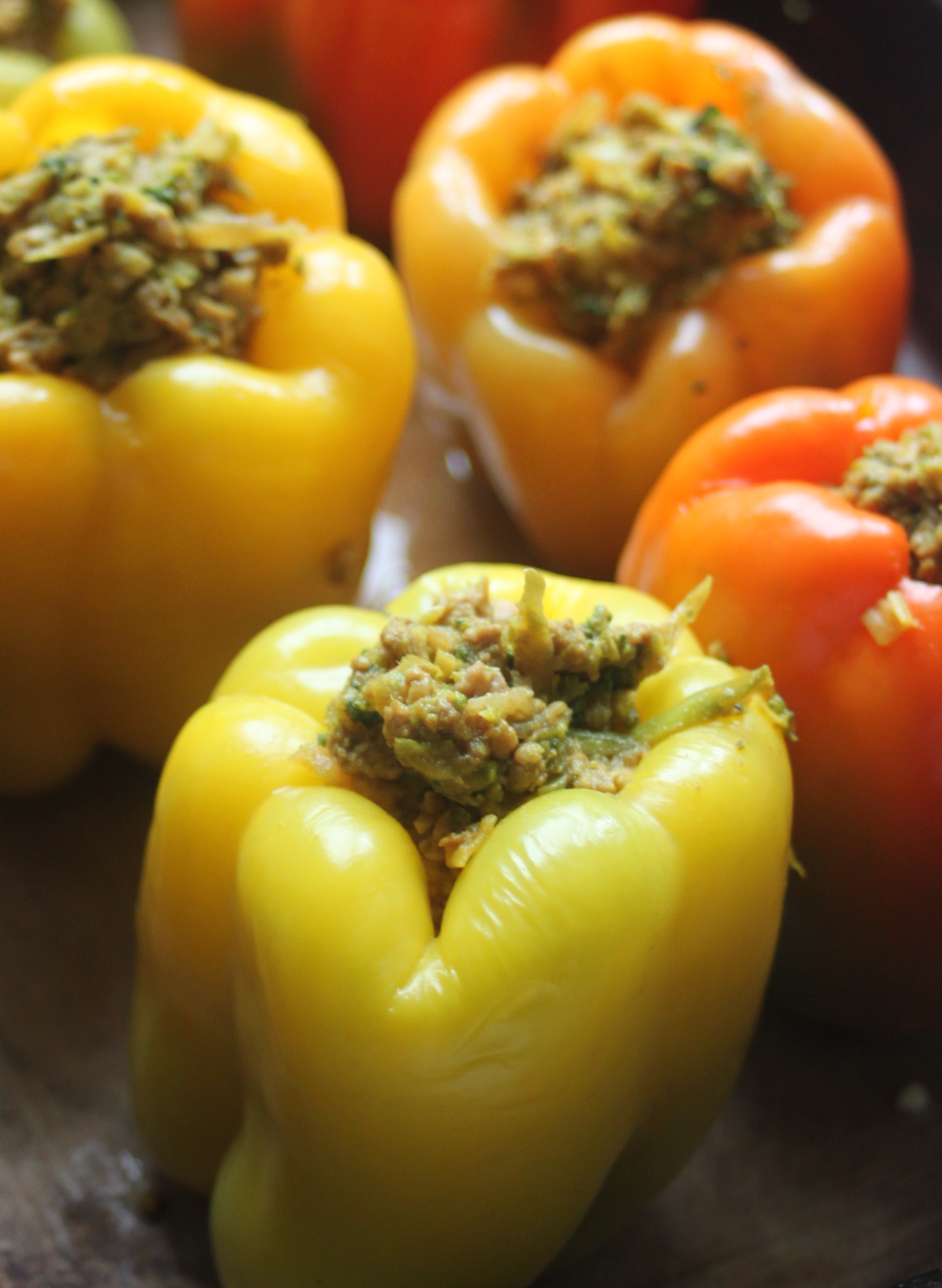
Paleo Asian Inspired Stuffed Peppers

October 5, 2014

 
First glance at today’s title and you probably were a bit thrown off. Stuffed peppers are usually served as a Southern dish full of rice, cheese, beans, corn, and meat (if you’re lucky.)  Though I myself have never had one, my mother says she never liked stuffed peppers because they always ended being bland and tasteless.  So, instead of going the traditional route, I decided to flip “Southern” on its head and make an Asian, paleo friendly version.  

Many recipes that I share on the blog, including todays, are ones that I make for my family, not myself (though I probably should get into the habit of writing down my own as well).  Not only were these stuffed peppers loved by my parents and friends, but also my 15 year old younger brother, who just so happens to dislike anything vegetable related, and goes around singing about pizza.  It is safe to say, between the medley of differing spices and ingredients used, this tasty dish will win over even the pickiest of eaters. Preparing the filling and peppers a day or so prior to serving also makes it the perfect “thirty minute meal” for those busy week nights. 
 
Asian Stuffed Peppers
Print Recipe
(Serves 6-8)
Ingredients

  • 1 lb organic ground beef
  • 6-8 medium sized bell peppers
  • 2 tbsp garlic powder
  • 2 tsp ginger powder
  • 1 tsp turmeric
  • 1/2 tsp salt 
  • 1 lime – juiced 
  • 1/4 cup gluten free soy sauce, Coconut Aminos, or Bragg’s Liquid Aminos
  • 1 tbsp sesame oil
  • 1/4 tsp fish sauce (or 1 tsp sea salt)
  • 1 cup shiitaki mushrooms – diced
  • 2 cup shredded broccoli 
  • 1 bundle of scallions *You will be using both the white and green end
  • 2 large garlic cloves – chopped
  • 2 tbsp fresh ginger – chopped
  • 1 can of crushed pineapple
  • 1/2 cup fresh cilantro – chopped 
  • 1 egg – beaten 
  • EVOO 

Process 

  • In a food processor fitted with the shredding attachment, shred broccoli into small pieces, and then transfer to a medium sized mixing bowl, along with 1/2 cup sliced scallion (white part only), diced mushrooms, chopped garlic cloves, chopped fresh ginger, and 1/2 cup chopped cilantro.  *Alternatively you could finely chop the broccoli by hand. 
  • In a small bowl, make the sauce by combining 1/4 cup canned pineapple juice, sesame oil, soy sauce, lime juice, and fish sauce.
  • In a big skillet on medium-low, heat olive oil until hot and then add the ground beef.
  • Season the beef with garlic powder, ground ginger, turmeric, and sea salt, stirring to incorporate the spices.  
  • Once the meat has partially cooked, add in the bowl of vegetables, and stir to combine.
  • Pour the prepared sauce over the pan and allow to finish cooking for 2-3 minutes.
  • Take the pan off heat and transfer the mixture back into the medium sized mixing bowl previously used for the chopped veggies.
  • While the stuffing mixture cools, prepare your peppers by slicing off the tops and discarding any seeds or membranes.
  • In a medium-large pot of boiling water, par-boil cored peppers for 3 minutes, removing from the water with a slotted spoon or tongs, and then placing in a large baking dish upside down. *This ensures there is no trapped water in the peppers. 
  • In a small bowl, beat egg and 1/2 cup crushed pineapple and add to the cooled “stuffing” mixture, mixing thoroughly until evenly incorporated.
  • Spoon into prepared peppers, add 1/8th inch of water to the baking dish, and bake at 350 dg for 30 minutes.
  • Once finished, plate and serve peppers with 1/2 cup of chopped (green) scallions.


Isaiah 55:9 “For as the heavens are higher than the earth, so are My ways higher than your ways, and My thoughts than your thoughts.”

Filed Under: beef, gluten free, low carb, meat, paleo, Protein Dishes Tagged With: asian, bell peppers, broccoli, garlic beef, ginger, green onion, Isaiah 55:9, ketogenic, mushrooms, Paleo, pineapple, primal, stuffed peppers, turmeric

Paleo Debunking: FAT Phobia – Part 1

October 3, 2014

Fat, the word we are literally born with cemented into our brains as being the evil, weight gaining cause behind all of America’s health problems.  Commonly known as the precursor of high cholesterol, heart attacks, and eventually death, fat always gets a bad rap.   Some chose to forget it completely by following a low-fat diet, while others are just plain confused.  
As many of you might know, the PK Protocol emphasizes a diet high in fat, in order to support the IV and oral supplements that I take. Most assume this is because I, as well as other patients, are skinny and simply need some “fattening up.” Yet this is far from the real reason behind my low carb, high fat consumption, as I will explain in the posts to come.


Cholesterol: Companion or Culprit?


This type of lipid, otherwise known as a fat, has many important roles in helping the body function properly. 75 % of the cholesterol in our bodies is produced by the liver, while only 25% is the product of the foods we eat. Due to the close regulation the body makes of this waxy steroid, lowering our intake of cholesterol rich foods causes the body to naturally make more (and vice versa). As for blood levels, the lipoprotein LDL (usually deemed the “bad” guy) is actually cholesterol’s vehicle to any site in need of healing, while lipoprotein HDL is the one that takes it away. Through this transportation, cholesterol is able to fight against infection by binding with toxins, which then inactivates dangerous bacteria. Ultimately, without cholesterol, we would be unable to build and produce cells, hormones, bile, vitamin D, serotonin, or let alone have brain power.  It is no surprise then, that conditions associated with inadequate amounts include severe memory loss, chronic disease (cancer, heart, etc…), suicide, premature death, stroke, hormone imbalance, and much more.   In the end, no study has ever proven cholesterol to cause heart disease, clog arteries, or kill us.  Though Ancel Keys sought to prove this hypothesis right in 1963, he eventually admitted in 1997 that “cholesterol in the diet doesn’t at all matter unless you happen to be a chicken or a rabbit.” 


Polyunsaturated “Phat” vs. Saturated Fat
If high dietary and blood cholesterol are not America’s reason behind the rise in heart disease, what is?  As pointed out earlier, LDL is cholesterol’s vehicle to any inflamed part of the body that has called out for help.  However, this lipoprotein does not just carry cholesterol, but also other materials including polyunsaturated fats. The problem occurs when these compounds become oxidized, which then lead to inevitable damage throughout the body.

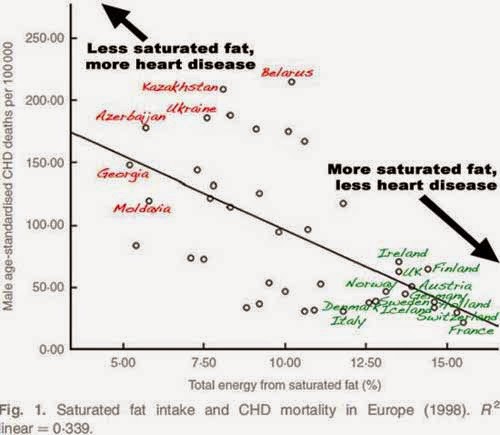
Backing up to the late 1960’s after Ancel Key’s “Seven Countries Study” tricked the public to believe saturated fat was clearly linked to heart disease, the food industry took hold of this false proclamation and ran with it.  Instead of butter and lard,  the USDA promoted margarine, shortening, and other various vegetable oils as being the “heart healthy” substitute in cooking and baking. Because polyunsaturated fats are molecularly unstable to begin with (meaning they have 2 or more unsecured links in their fatty acid chains), transforming them into “edible foods” through the process of extreme high heat, oxygen, chemicals, deodorization, impurity refinement, degumming, and bleaching, turns them into oxidized free radicals.  When consumed, these damaged fatty acids ultimately destroy our cell membranes, causing premature aging, cancer, heart disease, DNA damage, and various other health conditions.  See the correlation?
That being said, not all fats are this dangerous, but rather proven to be incredibly beneficial and necessary to living a healthy life. Saturated fat (coconut oil, lard, tallow, butter, ghee, duck fat, etc…) and monounsaturated fat (olive, avocado, nuts, & seeds) are stable to begin with and thus free from any oxidization.  They also contain natural antioxidants, minerals, nutrients, and essential fat soluble vitamins,that are not only necessary for strong, happy cells, but also eye, bone, heart, skin, reproductive, immune, lung, and emotional health. Examples include vitamin A, D, and K2, all of which are found in animal fats, oily fish, egg yolks, and liver.  In the end, real, stable fats are truly super-foods. 


Dietary Fat vs. Body Fat 
Despite whether a fat is nutrient dense or not, most people are still afraid that eating too much will cause them to blimp out like a balloon.  While this might be true for processed vegetable and crop oils (margarine, canola oil, corn oil, soybean oil, etc…) it is not necessarily true for the healthy fats (organic bacon, chicken skin, grassfed butter, tallow etc…).   Because fats have more calories per gram than any other food on the planet, over-eating is incredibly hard, and thus “getting fat” becomes almost impossible.  However, the opposite is true when processed foods ladened with vegetable oils, sugar, and chemicals, are frequently consumed.  This is due to the fact that our bodies desperately want and need us to feed them nutrient dense, cell supporting, energy fueling foods, and if we don’t, cravings skyrocket. 

The Membrane Stabilizing Therapy  
In a nutshell, the PK Protocol I am receiving is ultimately to heal my damaged cell membranes that, through the years of chronic oxidative stress from illness, have become damaged and dysfunctional.   Without getting into specifics, my oral supplements and weekly IV infusions are to rid my cells of the harmful fatty lipid rafts that are “hanging around” and preventing me from healing.  Because the treatment is detoxing at a cellular level, it is incredibly important to be on a high fat, moderate protein, very low-carb (ketogenic) diet, as a way to support the rebuilding of my cells and prevent any relapse.  As I discussed earlier, cells are literally made up of fats, so you can see why this is crucial in proper healing.  There is an abundance of science behind this treatment that I will get into some other day, but for now you can read more about it here if you wish.  Until then, as Liz Wolfe, author of “Eat the Yolks” says, “eat whole sources of fat, not some of them but ALL of them, fearlessly and appreciatively”


VIEW PART 2 AND 3 BY CLICKING HERE AND HERE. 


Isaiah 54:10 “Though the mountains be shaken and the hills be removed, yet my unfailing love for you will not be shaken, nor my covenant of peace be removed,” says the Lord, who has compassion on you.” 

Filed Under: chronic lyme Tagged With: Ancel Keys, animal fat, cholesterol, Fat, health posts, heart disease, isaiah 54:10, lard, monounsaturated, PK Protocol, polysaturated, Seven Countries Study, vegetable oil

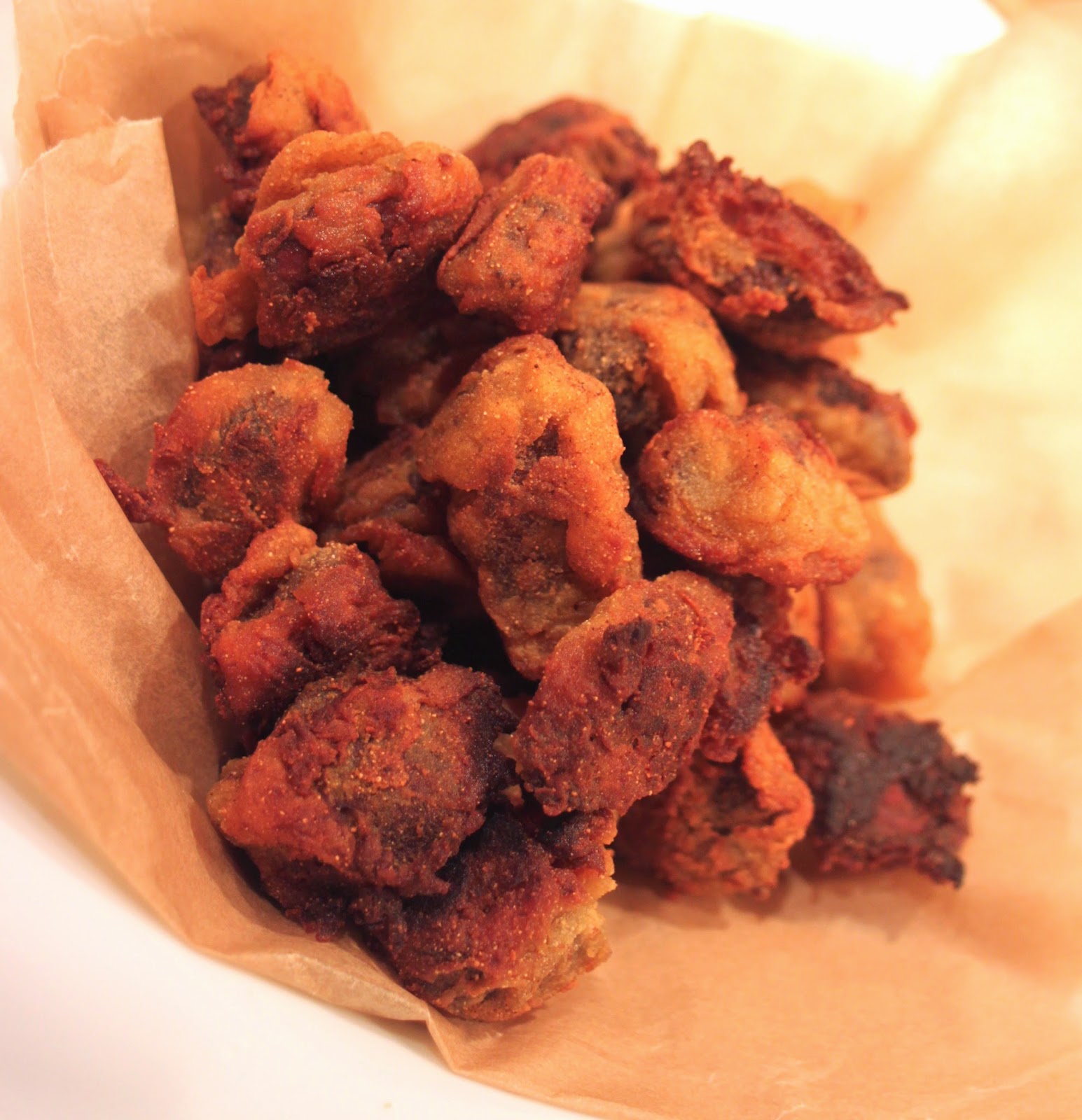
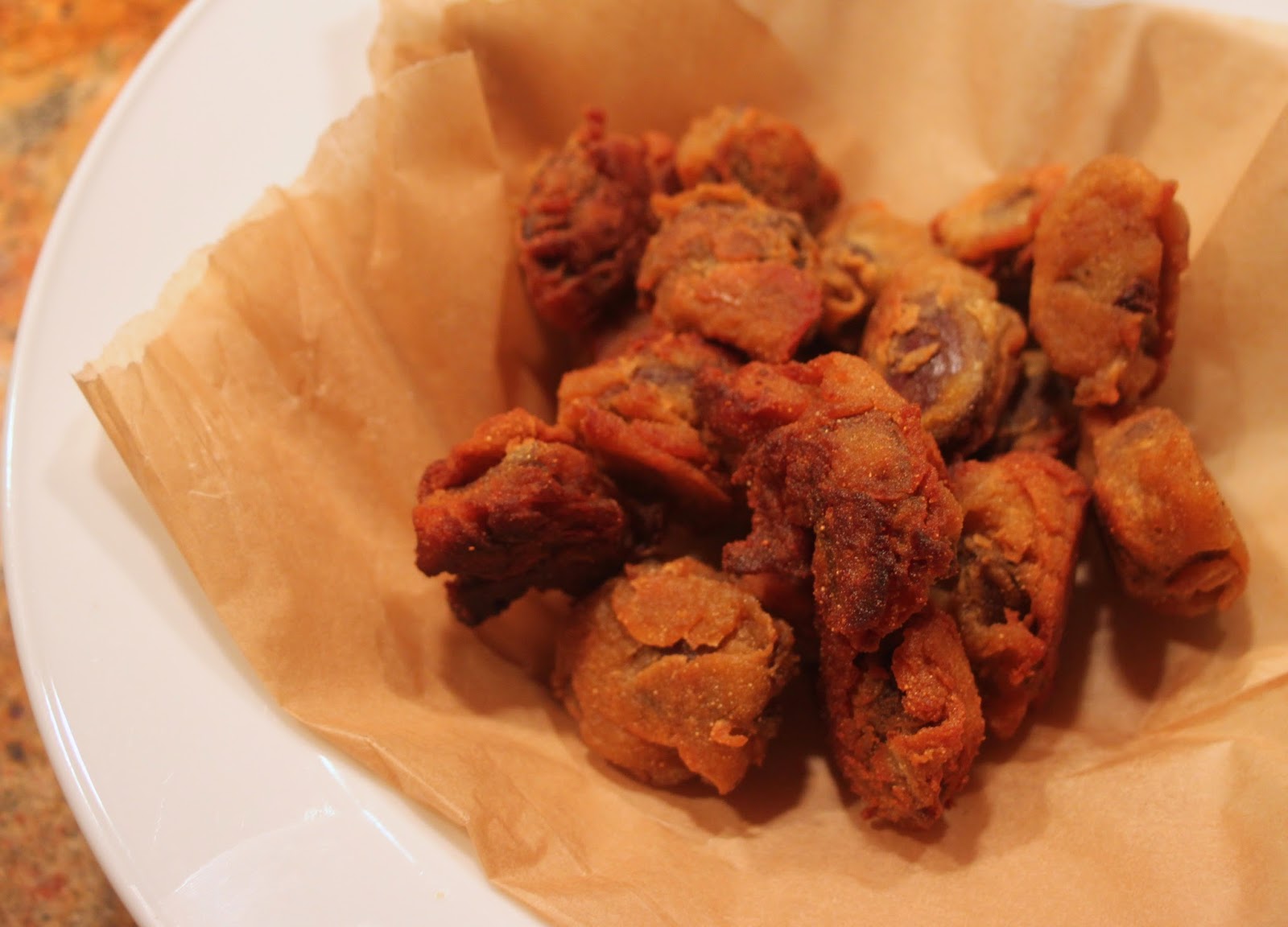
Paleo Autoimmune Protocol Fried Chicken Nuggets – Gizzard Style

October 1, 2014

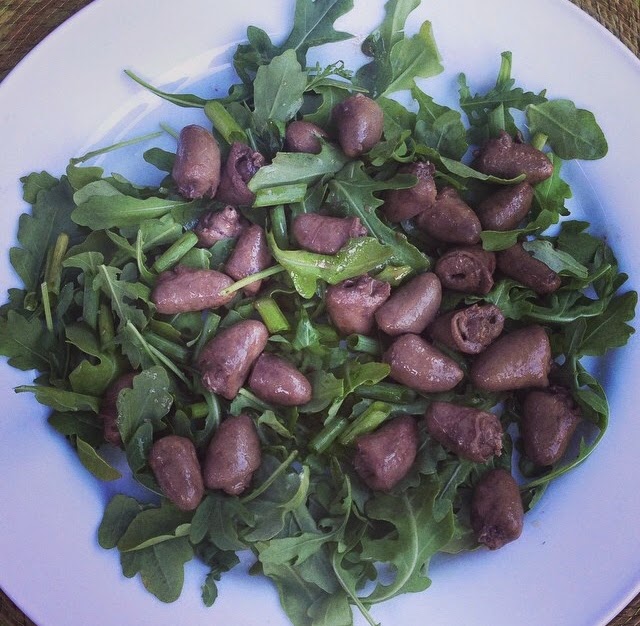
There are some days when the success of a new recipe is becomes ultimate highlight of the entire week.  Today’s recipe just happens to be one of these, and I am super excited to share it with you all!  Gizzards, an organ meat of certain animals, is typically eaten in the U.S as a fast, fried food.  Though I did not mind the taste of my chicken gizzards sauteed plain, I decided I wanted to see if I could mimic the deep fried goodness of this hot “chicken” dish.  Lets just say, in the end, my father and I were extremely happy with the results, as we both could have easily eaten the entire bowl. Many vegan and Paleo recipes use mashed bananas in baked goods, which made me think their cousin (aka the plantain) would be a perfect substitute for an egg. Instead of almond, tapioca, or coconut, I went with sweet potato flour, as it does not seem to have the same overly starchy and gummy quality as arrowroot, and is also nut/seed free. Beef tallow, much like other stable animal fats, is great for high heat cooking, as it does not break down and oxidize like crop and “vegetable” oils.  Therefore, you do not have to be afraid of this fat, and I will explain why in an upcoming post. In the meantime, these protein and mineral packed pieces of meat are technically coated in two vegetables, and then cooked in beneficial and vitamin rich fat, making them the ideal comfort food whether you follow a Paleo diet or not.  The end result of these key ingredients was a perfectly crunchy and crispy nuggets, with not one iota of any funky “gizzard flavor.  This is the perfect recipe to sneak some nutrient dense meat into your kids, parents, siblings, or even yourself (if the thought of organ meat gives you the heebie jeebies.)  My father and I ate ours over chopped salads, and for a dip I whipped up my rendition on a tartar sauce with  fresh tarragon, capers, green onion, lemon, and sheep yogurt. Truly, I have nothing else to say about this recipe except for you have to try it! Whether able to tolerate eggs, flour, nuts, or not, this recipe will satisfy any palate.  Think GMO chicken fried in processed vegetable oil is “good?” I challenge you to try real food fried in real fat. I promise you won’t be disappointed.

Fried Chicken Gizzards

Print Recipe

(Serves 4)
Ingredients

  • 11 oz greenish-yellow plantain – peeled *My plantain was an in-between stage
  • 4 tbsp avocado oil
  • 1/2 tsp sea salt
  • 1/3 cup sweet potato flour
  • 1 lb chicken gizzards
  • 1/2 cup beef tallow *lard or coconut oil will also work

Process

  • In a food processor fitted with the “S” blade, puree plantain.
  • 1 tbsp at a time, add the avocado oil until the plantain is smooth and thick.
  • Scoop plantain into a bowl and set aside.
  • Put sweet potato flour and salt in a small dish and set aside as well.
  • Remove chicken gizzards from packaging and slice of any shiny or blueish looking skin.
  • In a small pot, fill 2/3rds with water and let come to a boil.
  • With a slotted spoon, add chicken gizzards and par-boil for 15 minutes.
  • Remove pot from heat and pour gizzards into a strainer.
  • Place pre-cooked gizzards onto a paper towel and pat dry.
  • In a large skillet, heat beef tallow on medium-low heat until sizzling
  • Taking 1 gizzard at a time, dip in plantain mixture and then dredge in flour.
  • Drop gizzard into the oil and continue coating the rest, adding each once coated in the mixture.
  • Allow the gizzards to cook 3-4 minutes per side, or until the outsides have become nice and brown.
  • With a slotted spoon, remove gizzards from heat and place on a paper towel to soak up any excess fat.
  • Repeat with remaining gizzards and serve!

Colossians 2:8 “Beware lest anyone cheat you through philosophy and empty deceit, according to the tradition of men, according to the basic principles of the world, and not according to Christ.”

Filed Under: AIP, autoimmune friendly, autoimmune paleo, chicken, coconut free, egg free, gluten free, meat, paleo, plantains, Protein Dishes Tagged With: chicken, colossians 2:8, dairy free organ meat, egg free, fried, gizzards, grain free, paleo recipe, plantain, sweet potato flour, tallow

Paleo Braised Beef and Root Vegetables

September 29, 2014

In a sea of people, there is one thing we as humans all have in common. Not one of us is without a burden.  Some, though tired and weary, somehow keep going. Though we all face difficulties in life, the main difference between us is how, or who, we let carry these burdens. 
Sometimes, when the pain just won’t stop, the same symptoms keep reoccurring for extended months, and I am completely crawling out of my skin, finding peace in the present moment can be a struggle. In reality, we all have what I call “mental wrestling matches.” They wear us from the inside out, and though we may not be expressing our inner turmoil, it tends to come out in words or actions one way or another. But you see,  it does not have to be this way.
When I find myself in situations like these, I must remember to quiet my heart and give the present (and future) to God. I do not have to think about how I will get through whatever it may be, because He promises to supply me with all that I need when the time has come. This moment is when, as a human, we must trust in something bigger than our mental capacity.  Though the situation may not be any different, it is the simple act of surrender and renewing of mind that makes living a life of suffering that much more bearable.
Another aspect of life that makes time go by, is one of the biggest passion in my life, cooking.  However, if I try to do this as a way to distance myself from the issue at hand, it does not work. Bowls knock over, the wrong ingredients get mixed, and nothing ever seems to come out tasting right. Yet when I truly let go of the struggle to God, my hands move swifter, my brain naturally turns off, and I am allowed to find my true happy place.
When placed in front of the mountains of life, most try and find an “out” through TV, friends, hobbies, or even an addiction, all of which tend to fail us in the end.  This is because they are worldly, not all necessarily bad, but simply from the world i.e manmade, thus limited. However we need something far beyond ourselves, something or someone much greater.
When people wonder or ask how I make it through a life that is a never ending groundhog day, the answer is simple, Jesus.  No matter what you are facing, not only does He promise to bless those who follow him, but He will give you the desires of your heart. It might be right away, or it may be later in life. Either way, the immediate peace He provides will numb the bumps and bruises of life that are ultimately brining you to all that you were created to be.
 As I said before, when my heart is in the right place, my type-A mind can turn off and things become seemingly less stressful.  It is times like these I tend to create some of my best recipes.  With the winter months arriving, and my mom now working, I decided getting familiar with slow cooked meals would be my next step in the kitchen. Not only do these types of meals conserve energy, but they also work for those simply trying to save money.  Due to the low, slow cooking time, having a prize cut of meat to make a succulent and incredibly flavored dish is not necessary.
Chuck steak, a piece cut from the shoulder section of a cow, is naturally tough.  Trying to eat it is like chewing on a bag of jerky, making dinner anything but a pleasant experience.  Because of this, “braising” instantly clicked in my mind.  With an over abundance of beets, and a fresh vine of grapes sitting on the cutting board, I decided red wine would be a nice pairing.  For those of you who do not consume alcohol, having a nice bottle put away for cooking can be really helpful in adding flavor, or in this case, tenderness to food. 
Braised Beef and Root Vegetables
Print Recipe
(Serves 4)
Ingredients
  • 1-2 pound chuck steak (or any other large, flat piece of meat)
  • 1/2 cup red wine
  • 1 cup of beef broth *or any other animal broth available, alternatively you can use water
  • Duck fat 
  • 3 leeks – sliced into rounds *greens removed
  • 1 1/2 cup beets -cut into chunks
  • 1 cup sweet potatoes – cut into chunks 
  • 1 1/2 tsp salt
  • 1/4 cup whole red grapes
  • Garlic powder
  • Bunch of thyme
  • 1 bay leaf
Process
  • Preheat oven to 300 degrees
  • On a hot griddle or stove pan, melt duck fat and sear steak about 4 minutes per side, until it is nicely browned.
  • In a large, 9×13 inch rectangle baking dish, place chunked potatoes, beets, sliced leaks, and whole grapes.
  • Place the steak on top of the vegetable mixture and sprinkle with 1 tsp salt and garlic powder. 
  • Make a “bouquet garni” by tying and string around the bunch of thyme and one bay leaf and place on top of the steak
  • Mix together the wine and beef broth and pour around the sides of the steak.
  • Sprinkle the vegetables with remaining 1/2 tsp of salt and tightly cover dish with tin foil.
  • Place in oven and bake for three hours.
  • Half way through, open the foil cover and stir the vegetables around to make sure they get coated with the broth mixture, and then cover once more.
  • In the last 20 minutes, take the foil off the dish. 
  • Once finished cooking, let stand out of the oven for 10 minutes, and then serve with veggies 


Romans 12:2 “Do not conform to the pattern of this world, but be transformed by the renewing of your mind. Then you will be able to test and approve what God’s will is–his good, pleasing and perfect will.”

Filed Under: paleo, Protein Dishes Tagged With: beef, beets, braising, Dinner, fall flavor, leeks, Paleo, primal, Recipe, roast, Romans 12:2, steak, sweet potato, thyme, white potato, wine

Paleo Sweet Potato Breakfast Cookies

September 27, 2014


The first thing that most people think about almost immediately after waking up is breakfast.  Usually consisting of something ladened with sugar, breakfast staples have become anything but able to sustain one throughout their day, let alone until lunch time. With most leading cereal brands almost 50% sugar, studies show that the average person consumes 10 pounds of these heavily sweetened products per year. Add that to the other 200 pounds of refined sugar, wheat, over 700 pounds of processed dairy products, an enormous rise of hydrogenated oil consumption, and you’ve got yourself a recipe for disaster. 


However, it wasn’t always like this. In 1800, the average amount of sugar a person ate in one year was a seemingly “small” 18 pounds. Yet this number grew by 2009 to be an average of 1/2 pound per day (and that was 5 years ago!) Not only did sugar and processed fat consumption skyrocket in the 1900’s, but also obesity, one of the primary cause behind many serious health conditions.  Slim or not, these costly outcomes pose just as much of a risk for slender people.  Yet it is not until one takes it out of their diet, that they realize how it truly effects athleticism, mood, or simply the genuine feeling of wellness that, in today’s world, has been long forgotten. 

Though as a healthy individual I ate a mixture of both savory and sweet for breakfast, I never once thought I would be eating what I am now. Because any type of sugar is a no-no, and eggs cause inflammation, a piece of fish or hunk of meat has become my usual morning meal.  At first it was slightly hard to adjust, but since everything else of my “normal life” was stripped away so quickly when I got ill, eating sardines or ground turkey breakfast was not that big of a deal.  However, for those of you who simply cannot stand the thought of having a fillet of salmon for breakfast (though I swear it is delicious), then today’s recipe is for you! With just the right amount of natural sweetness, carbohydrates, and  protein, my mother (the official taste tester) says these cookies are perfect as pre-crossfit fuel or a late afternoon snack at work. For those of you who cannot tolerate eggs, the first time I made the recipe I substituted in a flax egg which worked perfectly.  Though I have only made these cookies with almond and hazelnut butter, sun butter would also be a great option for those who don’t eat nuts.  Preferably, the nut (or seed) butter of choice should be low, or free of any added oils, as this extra moisture gives the cookies a somewhat under baked texture. Again, my mother enjoys a mixture of dried cranberries, unsweetened shredded coconut, and chocolate chips as add ins, however, feel free to change these ingredients to your liking! The cookies will not fully fall on their own, so you if you wish, flatten with the back of a spoon half way through baking. However, the verdict was that they were better a little more puffy.

Sweet Potato Breakfast Cookies
Print Recipe
Ingredients

  • 1/2 cup Hazelnut (or) almond butter 
  • 1/2 cup mashed or Organic canned sweet potato 
  • 2 tsp cinnamon
  • 1 egg (or flax egg= 1 tbsp flaxseed + 3 tbsp warm water) 
  • 1 tsp vanilla
  • 1/2 tsp baking soda
  • 1/4 tsp salt
  • 1/2 cup dried unsweetened cranberries
  • 1/2 cup unsweetened shredded coconut
  • 1/2 cup Enjoy Life chocolate chips

Process

  • Preheat oven to 350 dg
  • In a small bowl, lightly beat together egg, vanilla, and sugar if using. 
  • In a medium mixing bowl, stir together nut butter, sweet potato, salt, baking soda, and cinnamon.
  • Add cranberries, coconut, and chocolate chips.
  • Stir in wet ingredients until just combined. 
  • Using a cookie scoop, place dough an a parchment lined baking sheet and bake for 15 minutes.
  • Remove from oven and allow to cool on the sheet completely before eating. 
Recipe Notes
If your taste buds are not as adapted to natural sweetness and need some extra sugar, add 3 tbsp of coconut sugar. 


(Pin Recipe For Later)
1 Corinthians 6:19 “Do you not know that your bodies are temples of the Holy Spirit, who is in you, whom you have received from God? You are not your own.”

Filed Under: low carb, paleo, Sweets and Snacks Tagged With: 1 Corinthians 6:19, almond butter, cookies, hazelnut butter, health information, ketogenic, low sugar, obesity, Paleo, Recipe, sugar, sweet potato

Paleo Stuffed Turkey Dinner

September 25, 2014

Cooking shows are one of the easiest ways to learn and get familiar with ingredients of any season, and personally, the flavors of Autumn never get old.  Nothing compares to the taste and scent of cinnamon, a good pumpkin pie, or a succulent roasted turkey.   I also love researching how professional chefs are currently using their local food sources according to the time of year, to see if I can get any ideas or inspiration.

Growing up, the Food Network was always a channel that ended up being switched on sometime during the week.  From Rachael Ray’s “30 Minute Meals” to “Unwrapped” and “Iron Chef of America,” all of these shows enthralled me.  Yet, it was not until I became ill that I began noticing a whole other aspect of these shows.  Techniques on cooking, cutting, preserving, and flavor combining, were all mental notes I began jotting down silently in my head.  The names of dishes, the history behind their origination, and how different countries interpret them, also became part of my at-home culinary learning.  Because severe neurological brain fog hindered me from doing my junior year of high school,  I used cooking shows as a way to keep my brain active and fill the void, simultaneously growing one of my greatest passions in life.

One show that stuck out and became a quick favorite was ABC’s the Chew. With five funny and super knowledgable hosts, tuning in became (and still is) a way to distract myself from the long, painful, and tiring days, when school is the last thing I can handle (sadly).  Mario Batali, easily one of my favorite chefs of the present age, adds a great aspect of “food history” to the Chew, making it much more than a cheesy cooking show. Just like any great scholar that truly knows his facts, Mario knows the who, what, where, when and why’s behind anything culinary related. Ultimately though, the main reason why I love this show so much is that they always highlight real food.  Not only that, but they support local farmers and encourage others to do this same.  Basically, these guys were into “farm to table” before it was the cool, hipster-like thing to do.  
As I was searching for new, family friendly meals, I came across Mario’s stuffed turkey recipe. Fennel, sage, garlic, and apples, are ingredients that all scream Fall, and because it is now officially Autumn, I decided to give the recipe a try.  With the elimination of bread crumbs and cheese, this recipe is naturally “Paleo” friendly, thus proving to be incredibly delicious.  Though the ingredients call for a 2-3 pound boneless turkey breast, you could easily make a smaller quantity by using turkey cutlets, pounded pork loin, or a skirt steak.   However, even with a small crowd do not hesitate on making the full recipe, as it is great for leftovers the next day. 

Stuffed Turkey Dinner
Print Recipe
(Serves 6-8)
Ingredients

  • 1, boneless, skin on turkey breast (2-3 lbs)
  • 1 cup cashews *pulsed in a blender (I used the Magic Bullet) 
  • 1 egg (beaten)
  • 13-16 fresh sage leaves (chopped)
  • 1 tsp salt 
  • 16 cloves of garlic (chopped)
  • 3 apples (preferably a trart variety but any will do)
  • 3 fennel bulbs (fonds removed)
  • 2 tsp ground fennel 
  • 2 onions (sliced)
  • 1/4 cup olive oil
  • salt and pepper
  • Cooking twine
  • Meat mallet 
Process
  • Preheat oven to 400 degrees.
  • For the filling, combine cashew meal, 4 chopped garlic cloves, 1 diced apple, 1 diced fennel bulb, chopped sage, and the egg in a medium sized mixing bowl. 
  • Next, chop and smash the remaining 12 cloves of garlic, making them into a paste and spreading in the bottom of a large roasting pan. *I used a garlic press for this step to make it easier. 
  • To the pan, slice and add the onions, remaining 2 bulbs of fennel, and apple, layering one on top of the other over the garlic paste.  
  • Place your turkey breast skin side down on a cutting board and make a horizontal cut from the top to 3/4 through the meat. *Not all the way through
  • Open the turkey breast like a book and cover with plastic wrap.
  • With a meat mallet (or anything else handy enough to bang meat like a hammer), pound the meat till it is an even 1/2 inch thickness.
  • Sprinkle the meat with salt, pepper, and ground fennel.
  • Leaving a one inch space around the border, spoon the filling down the center of the turkey in a straight line. 
  • Roll up the turkey like a jelly roll and finish by tying the meat with kitchen twine every 2 inches length wise. 
  • Season the outside of the bird with salt and pepper and place on top of veggies in the roasting pan.
 
  • Pour the remaining 1/4 cup olive oil over the turkey and veggies and place in the oven to roast for 70-80 minutes. *Internal temperature of 155 degrees *Mine took exactly 70 minutes
  • Once done cooking, take out of the oven and allow to rest for 10-15 minutes, allowing the juices to stay inside the meat.
  • Once rested, serve in 3/4 inch slices over roasted veggies.
 
 
Romans 8:17 “Now if we are children, then we are heirs—heirs of God and co-heirs with Christ, if indeed we share in his sufferings in order that we may also share in his glory.”

Filed Under: dairy free, gluten free, paleo, Protein Dishes Tagged With: ABC, apple, cashew, fall, fennel, grain free, mario batali, onions, Paleo, primal, Recipe, romans 8:17, sage, The Chew, turkey

The Liver Gallbladder Flush

September 24, 2014

Today I would like to cover a topic that seems to be widely misinterpreted by the medical community, and thus many of its patients. With no human biology course needed, the importance of how every organ in the body works together, is something that I have learned through my illness. One of these that just so happens to give me (and many others) a lot of trouble is the gallbladder. First, however, I must start with the gallbladder’s closest helper and friend, the liver.

The Liver

Also known as one of the key organs to keep the body running, the liver has hundreds of different jobs that are connected to every part of the body. In its prime state, the hepatocyte cells in the liver are able to filter 3 pints of blood per minute and it along with cholangiocytes make 1 to 1 1/2 quarts of bile per day. Through this large process, the liver is able to rid harmful toxins, distribute necessary nutrients, and maintain a state of balance throughout the body. That being said, if the liver is unable to work properly or if a majority of hepatocytes are damaged, the body tends to suffer cumulatively. Following which transplanting the necessary cells with help of services like https://lnhlifesciences.org/hepatocytes could prove beneficial as it is less invasive compared to other complex surgeries. Proper functioning of the liver becomes important to digest food (plus the fat and calcium from them) – which is dependent on bile, and not producing the right amount leads to GI distress, which could then transfer into our blood and bones. As one of the most prevalent diseases in women and men over 50, Osteoporosis tends to be commonly attributed to insufficient bile flow rather than simply to not having enough calcium in the diet.

A key organ supplied with bile from the liver is a small, pear shaped organ known as the gallbladder. These two are connected through ducts in which bile from the liver is able to pass through into the gallbladder. Unlike its provider, the gallbladder’s bile is significantly more concentrated, leaving only 2 ounces of the substance in it at a time. Though this may seem like a small, insignificant amount, a lack of this fluid causes some pretty large, and costly issues. Bile salts, just one aspect of the gallbladder’s bile released when we eat, is the component responsible for digesting foods, and more specifically, the breakdown of fat. Therefore, when there is an insufficiency of bile in general, there is also a lack of bile salts. This then leads to the inability of breaking down foods and absorbing their nutrients, thus leading to damage of the lymphatic, urinary, and circulatory system. Though gallstones are the most commonly known problem, tooth decay, ulcers, acid reflux, pancreatitis, various infections (kidney, liver, etc…), allergies, enlarged heart and spleen, hormonal imbalance, high blood pressure, stroke, Alzheimer’s, Parkinson’s, MS, Rheumatoid arthritis, skin disorders, and much (much) more, can all be led back to both a congested liver and gallbladder. Even though a congested liver and gallbladder can cause these problems, there are some that can be easily improved. Tooth decay can seriously affect your smile and your confidence and you will be longing to have your old smile back. Dental surgeries, like this Dentist in Brooklyn for example, offer a Porcelain Veneers service in which veneers can be fitted to your mouth. Not only does this alter your smile for the better, but it can also preserve your teeth far better than what a conventional crown would. So, don’t lose hope. There are always people who you can turn to for help if you are worried or concerned about any of these health problems that have arisen from a congested liver and gallbladder. As noted before, this is due to the liver being the second most complex part of the body, thus proving its function truly does effect every single cell throughout the human body. Of course, before any of these disorders are even posed as possible in an individual, there must be an underlying cause for their body to stop functioning properly. Some of the most common reasons why one would develop blocked bile ducts are alcohol, sugar, dyes, artificial and processed foods, refined salt, dehydration, being over weight, rapidly losing weight, prescription drugs, fluoride poisoning (found in soy products, toothpaste, gum, tea, vaccines, anesthetics, antibiotics etc…), stress (internal & external), disrupted sleep cycle, and get this, being on a low-fat diet. Because the gallbladder needs fat to empty itself of stored bile, not providing the body with enough dietary fat gives it no option but to stay put, thus causing stones. In the end, unless your body and the environment you live in is perfect (and no ones is), you probably have some small type of gallstone formation. Of course, in healthy individuals, their bodies are able to combat this obstacle without any noticeable issues. However, if you are like me and suffer from a chronic illness (or any type of inevitable health condition) gallstones can become a serious burden to your everyday life.

Symptoms that follow from lack of bile flow can range from inconspicuous oral problems (white coated tongue, tooth & gum sensitivity, etc…) to frequent unexplained belching, diarrhea and (or) constipation, as well as severe right shoulder pain. Because clogged bile ducts can cause so much pain, the question then becomes how to cope with the ever increasing and disrupting symptoms? I know from personal experience that, not only do gallbladder stones make eating a painful experience, but the attacks that strike out of nowhere in the middle of the night linger for days. There is no way to avoid the burning pain that fills your entire torso, along with the extreme air produced in your intestines, making you feel like your being choked around the neck and repeatedly kicked in the solar plexus. Though not everyone suffers from such severe symptoms, even a slight disturbance in digestion can leave one feeling desperate for an answer on how to rid themselves of the issue. Western medicine says that you don’t need your gallbladder, and thus should simply remove it through surgery in order to make the problem disappear. However, much like many other health conditions, these doctors are not realizing the root of the problem, the liver. Removing the gallbladder may decrease some of the symptoms due to removing the gallstones, however, the blocked bile in the liver is left untouched and stagnant. Other more minor remedies include dissolving gallstones, shock wave therapy, and a vegetarian/vegan diet, all of which do not fully address the cause behind the stone’s formation in the first place.

What is one to do?

Long before I had my diagnosis of chronic, late stage neurological Lyme, my digestion was the first thing to go. Due to the small nerve damage caused by the untreated Lyme bacteria, my intestines became severely paralyzed. As you can imagine, several other complications stemmed from this neuropathy, including the compression of my celiac artery, which then cut off blood flow to all surrounding organs. Between this life threatening condition, and the innumerable other damages caused by the rampant spirochaetes, my liver (and gallbladder) became severely compromised. Weekly attacks were viewed as normal, and there were was a few times during various parasite treatments that I was able to pass some stones. However, it was not until my experienced naturopath mentioned “The Amazing Liver and Gallbladder Flush,” by Andreas Moritz, that I ever found long lasting relief.

At first, the thought of drinking malic acid for six days, fasting on the seventh, drinking four cups of epson salt water, and then chugging a concoction of half lemon juice, half olive oil, seemed a bit crazy. Though there are many group discussion boards and blog posts out there that bash this flush (saying it is complete dogma), there comes a time when you are so desperate to find relief that doing the seemingly “wacky” is the only option left available. So, after getting medical approval from my doctor, that is exactly what I did. The results? Inexplicable. I will not go into full detail on how I prepped and preformed the flush, however, in the end, dozens upon dozens of stones were released. The process was painless, somewhat effortless, and without any sickening side effects, leading me to a result far better than surgery could ever do. Afterwards, it was like a weight was lifted off the entire right side of my torso, my ribs could expand and truly breath, and the pain in my joints and head instantly cleared up. Now, I am not saying it cured me of my illness, as my organs are still incredibly compromised by previous damage. However, preforming the cleanse was just one piece (out of hundreds) to the puzzle that is my health. I cannot promise the same “amazing” results for anyone else, all I can do is tell you my experience in hopes that you too will have the same relief. Though I have touched on only a few of the links between the gallbladder and many other health issues, Andrea writes in detail of all the signs, symptoms, causes, and science inhis book. I believe it truly is an integrative way of approaching health and is worth reading even if it is just for the sake of learning. However, if you are anything like me, I highly encourage you to weigh the pros and cons and decide for yourself if the flush is right for you. After all, you can’t knock something until you have tried it.


Psalm 40:2 “He lifted me out of the slimy pit, out of the mud and mire; He set my feet on a rock and gave me a firm place to stand.”

Filed Under: chronic lyme Tagged With: andreas moritz, cleanse, flush, Gallbladder, gallstones, Health info, holistic, liver, low fat diet, psalm 40:2

Homemade Paleo Coconut Sugar Caramel Apples

September 20, 2014

Now that it officially feels like fall, I decided that my recipes should reflect the weather outside. By now, many orchards have weekend hay rides, corn mazes, apple picking, and fresh cider.  Growing up, the annual caramel apple was my all time favorite treat.  However, 99% of caramel I have ever come across is made out of high fructose corn syrup.  Though this is convenient for producers, I don’t believe it is all together necessary, especially for the consumer.  HFCS, derived from GMO corn and made through extensive processing, is one of the leading causes behind obesity, liver failure, dementia, cancer, tooth decay, heart disease, diabetes, and much much more.  Not only that, but the FDA ignores the fact that this man-made sweetener contains contaminants such as mercury.  Unless a brand advertises as being Non-GMO and (or) HFCS-free, it will most likely contain hidden sources of this ingredient.  Click here for just a short list of foods containing this toxic ingredient.

~~~~~~~~

Because of the many harmful side effects of HFCS, I set out to make a recipe that could mimic the sticky caramel that we all know and love (without compromising the individual).  Coconut sugar, a low glycemic sweetener derived from the sap of the coconut, became my number one choice over maple syrup.  Though it may be “healthier” or, less harmful than HFCS, coconut sugar is still sugar, and thus should be eaten in moderation. However, if you are going to splurge, at least do it in a way that is most flavorful, right?  Though you may be a bit wary of making caramel yourself, I can promise it is not as daunting as it seems. After many experiments with making caramel, brittle, and toffee, the key I learned is simply being attentive to what is going on. Listening to music, texting, and (or) chatting are the last things you want to be doing with a hot pot of sugar on the stove.  If you are one who gets tired of standing in the kitchen, bringing a stool by the stove is a great way to help keep your eyes on the thermometer.  Another important note is to get everything set up before you begin heating the mixture. With one last minute leap across the kitchen, you could easily turn around to burnt caramel. Therefore, to make the process as least stressful as possible, put everything in its place so it is there waiting when you need it.  If you do all of these things, making caramel will be “easy as pie.” 


Homemade Coconut Sugar Caramel Apples

Print Recipe

(Serves 8)
Ingredients

  • 10 oz full fat canned coconut milk 
  • 1 cup coconut sugar
  • 1/2 cup coconut nectar
  • 2 tbsp lard
  • 1/4 tsp salt
  • 1 tsp vanilla extract
  • 8-10 apples (smaller is better)
  • chopped cashews *optional
  • shredded unsweetened coconut *optional

Process

  • Coat the bottom of a large cookie sheet or baking dish with oil and line with parchment paper.
  • Prepare apples by washing, fully drying, and then piercing the cores with a popsicle stick.

  •  Place chopped cashews and coconut in two separate shallow bowls.
  • Fill a small bowl with cold water and set by your stove, along with the pastry brush. *You will be using this later to make sure that the sugar does not crystalize up the sides of your pot.
  • In a large pot, stir together the coconut sugar, coconut nectar, coconut milk, lard, and salt over medium-low heat, until melted.

  • Brush down the sides of your pot with the wet pastry brush.
  • Turn heat to medium-high, clip candy thermometer to the side of the pot, and allow the mixture to come to a roaring boil.

  • Every few minutes, brush down the sides of the pot with water, and gently stir the caramel until the temperature reads 235-240 degrees. *the higher the temp, the harder your caramel will set.
  • Immediately remove pot from heat and aggressively stir in vanilla.
  • Let cool for 5 minutes
  • Dip and twirl each apple in the caramel, letting the excess drip off into the pot.
  • If desired, roll apple in optional toppings and place back on the parchment lined sheet.
  • Repeat for remaining apples and let set for at least a hour.


Psalm 32:10 “Many are the woes of the wicked, but the Lord’s unfailing love surrounds the man who trusts in Him.

Filed Under: autoimmune friendly, dairy free, Dessert, egg free, fruit, gluten free, grain free, no bake, paleo, Sweets and Snacks Tagged With: 2014, apples, Caramel apples, coconut, coconut nectar, coconut sugar, fall, Health info, HFCS, lard, Paleo, Psalm 32:10, vanilla

Paleo Pumpkin Spice Protein Bars

September 18, 2014

Courtesy of Food Babe

As a prior athlete, I understand the importance of being able to preform your best in sports, or tackle any workout regime placed in front of you.  Training hard, eating right, and getting enough rest are all key elements to properly achieving strong muscles and a healthy body.  Whether into exercise or not, most people realize that consuming adequate amounts of protein is vital to one’s health. For this reason, large companies are sure to promote the “latest and greatest” protein powder, shake, or bar, hoping to reap the most profits.  The question then becomes, are these products really necessary? Is eating these condensed sources of protein really going to make you like look the next Arnold Swartzenager or, are they simply marketing strategies that stem from the greedy corruption of America’s food industry?

Protein, the key behind building muscle, losing unnecessary fat, keeping a stable blood sugar, and fighting against chronic disease, is one of the most commonly used words printed on snack bars today.  Because this term is automatically connected with health and wellness, most people tend to overlook the labeled ingredients of these bars, and trust they are doing their bodies a favor. However, in reality, these tasty concotions are merely candy bars in disguise.   Take “Cliff Bar” for example, a protein bar sold at most organic grocery stores like Whole Foods, are marketed as helping you “make the most of your day.”  Yet, on average, these bars contain just as much sugar as a Snickers bar or a 2 pack of Reese’s Peanut Butter Cups.  Not only are these bars ladened with high amounts of sugar, but the sources of which their 30 grams of protein is derived from are anything but ideal.  Protein isolates, otherwise known as processed waste from antibiotic and hormone treated animals, GMO soy products such as hydrolyzed vegetable and plant protein, are all ladened with neurotoxins and chemicals (MSG, aluminum, etc…), all of which come with serious health risks. Soy protein isolate in particular is actually made through a process of acid washing in big aluminum tanks, thus leaving excess amounts in the finished products. Consuming this toxin has been linked back to hormone imbalance, weight gain, birth defects, cancer, and many other leading chronic illnesses.

So what about protein powders?  Unlike bars, they usually have relatively fewer ingredients, making them appear to be a smarter choice.  However, much like protein bars, powders are also ignored by FDA regulation.   Because they fall under the “supplements” category, heavy metals including arsenic, mercury, lead, and cadmium, are all allowed into these products, regardless of if they exceed the maximum safety limit.  One of the many ways these toxins get into products in the first place, is through the extremely high heat that is required for solid foods to transform into a powder, thus causing the carcinogenic load to rise.  MSG, the food additive that makes Doritos highly addicting (and poisoning), has been proven to be the culprit behind severe migraines, allergic reactions, fatigue, and even brain damage, and is added to protein powders to give them their “milkshake” like taste factor. Maltodextrin, though a seemingly harmless filler, is an artificial sweetener derived from GMO corn, used to create a chemically treated “fiber,” added to make you feel as if you are satisfied and full.

In the end,  I have only mentioned a few of the reasons why protein supplements are essentially dogma by the food industry.  Unless noted otherwise, both protein powder and bars are merely another processed food hidden with harmful toxins and excess sugar.  Obviously, these ingredients are anything but useful for someone to look and feel their best, and should never take the place of a real, balanced meal.  For those of you who still would like to enjoy a late afternoon or post-workout snack, try choosing organic jerky, fruit, nut butter, or my homemade snack bar recipe featured below. Filled with just the right amount of natural sweetness, fat, and protein, these bars will truly crush cravings and keep you satisfied until your next meal.  Just a few wholesome ingredients, one food processor, and some plastic wrap is all you need for a ready and accessible snack.  I have been making these for my father for sometime now, and he says they are just the thing to help him make it through the long work days.  If you would like to make other variations on this yummy bar, check out my post here.

Pumpkin Spice Snack Bars

Print Recipe

Ingredients

  • 3/4 cup raw almonds
  • 3/4 cup raw pecans
  • 1 cup of dried dates or figs *I use 1/2 cup of each
  • 1/2 cup dried cranberries *I use an apple juice sweetened variety
  • 1 1/2 tsp pumpkin pie spice
  • 2 tbsp maple almond butter (optional)
  • pinch of salt

Process 

  • In a food processor fitted with the  “S” blade, pulse nuts until finely chopped.
  • Pour nuts into a medium sized bowl and set aside.
  • In the food processor again, process dried fruit, salt, and spices until chopped and broken down.
  • Add nuts back into the processor, and let machine run until they become fully incorporated.
  • With processor running, add optional nut butter and continue blending until smooth.
  • Once a sticky dough as formed, use hands to form the mixture into rectangle or square shape bars. *I weigh mine on a scale so that they are all equal amounts.
  • Place on a piece of plastic wrap and wrap up like a package.
  • Store in fridge or freezer for maximum shelf life.


Proverbs 1:5 “Let the wise hear and increase in learning, and the one who understands obtain guidance.”

Filed Under: paleo, Sweets and Snacks Tagged With: almonds, dates, fall, figs, Health info, Paleo, protein bars, protein powder, Proverbs 1:5, pumpkin spice, rawbar, vegan

Paleo Sweet Glazed Salmon (AIP Friendly)

September 15, 2014

As the mornings grow cooler, and the nights come sooner, it seems that summer is becoming more and more of a distant memory. Though squash, corn, and pumpkins are all the craze at most orchards, my Nanny and I were still able to pick some of the season’s last blueberries just the other weekend.  Because using seasonal and locally sourced ingredients is one aspect of cooking that I like to embrace, I decided to skip the desserts and make instead a savory dish that featured the bowl of blueberries sitting on our kitchen counter yet again.  After seeing my Chinese allergist and immunologist last Saturday, my mother and I stopped by Whole Foods to pick up some meal essentials. Though my family has been blessed with the ability to eat fish caught and frozen from the summer prior,  this year’s bite was anything but great. Sadly, we definitely have done more “fishing” than actual “catching.” Therefore, with organic fish thawed and ready for eating, I decided to make my own spin on the usual “glazed” recipe.  We paired it with salmon, however, my parents and I both decided it would be equally delicious on top of roasted turkey, lamb, and especially duck.  Blueberries as a savory dish may seem “weird” to those with immature tastebuds, however, it is these different flavor combinations that tantalize and grow our palates the most.  Once your mouth becomes more adventurous, I can promise you that eating becomes significantly more fun and exciting.

Blueberry Balsamic Glazed Salmon

Print Recipe 

(Serves 3) 
Ingredients

  • 3, 6-8 oz salmon fillets
  • 3/4 cup fresh blueberries *frozen and thawed will also work
  • 1/2 cup organic balsamic vinegar
  • 1 tbsp Eden’s brown mustard (honey mustard will also work) *Omit if AIP
  • 1/4 tsp salt
  • 1 tbsp pure maple syrup
  • Olive oil
  • Fresh rosemary
  • 1-2 tsp lemon juice (optional)

Process

  • In a small pot over medium heat, bring blueberries, vinegar, and mustard to a boil.
  • Once boiling, turn flame to medium-low, add maple syrup and salt, and let cook for 5-7 minutes, stirring frequently.
  • When the sauce has reduced, let rest for a few minutes. *If you sauce has reduced too much, now is the time to whisk in the lemon juice until fully incorporated.
  • Divide the finished mixture into two separate ramekins and set aside.
  • Preheat oven to 350 degrees.
  • Grease a medium sized, shallow baking dish lightly with olive oil.
  • Place salmon skin side down and brush 1/2 of the sauce of the fillets.
  • Either cover and let the fish marinate for 1 hour, or simply bake right away for 10 minutes.
  • Plate immediately and serve with sprigs of rosemary and extra blueberry sauce.

Exodus 33:14 “And He said, ‘My Presence will go with you, and I will give you rest.” 

Filed Under: AIP, autoimmune friendly, autoimmune paleo, chronic lyme, dairy free, gluten free, low carb, Protein Dishes Tagged With: acupuncture, baked, blueberries, chinese doctor, Dinner, Exodus 33:15, fish, ketogenic, NYC, Paleo, Recipe, Salmon

Paleo Flourless Plantain Waffles (Egg, Nut-Free)

September 14, 2014


Waffles, also known as the vessel for warm maple syrup, are probably one of the most loved foods worldwide.  Whether you like your’s light and fluffy, dense and cake-like, homemade, or straight from the freezer section, you cannot deny the joy that comes with eating a waffle. What first started out as Neolithic rustic hotcakes, griddle cakes in the Iron Age, savory wafers in Ancient Greece, honeycomb treats called “oublies” in the early 13th century, Dutch “wafles” by the Pilgrims in 1620, all officially became known as “waffles” (two t’s) in the English print during the year 1735.  Interestingly enough, it was our own Thomas Jefferson who brought the first French waffle iron over to America, thus starting the trend of “waffle parties.”  By the 1800’s, waffles made their way out onto the streets as one of the most popular street foods and, in 1869, a Dutch-American named Cornelius patented the first waffle iron in U.S, making August 24th “NATIONAL WAFFLE DAY!”  Though, much to my disappointment, it is not August 24th, today’s recipe is one that you can make any day, or meal for that matter.  As some of you know, I follow a ketogenic diet as part of my PK Protocol.  Therefore, starchy vegetables such as sweet potato, yuca, and squash, all must be kept to a minimum. The practical elimination of these yummy foods, a long with my multiple allergies to everything else, can make eating rather boring.  Though I am incredibly thankful for all that I am able to somewhat tolerate, sometimes I just need something a little different, and last Friday just happened to be one of these days.  As for a health update to those who are wondering, the past month has been rough. Just when I don’t think the pain and pure exhaustion can get any worse, it does.  Due to the increase of all my symptoms,  I was instructed by my doctor to take a 10 day break from my IV infusion and PK Protocol supplements.  However, because nothing changed, I was able to resume everything yesterday, and for that I am very thankful.  It is times like these when staying positive and focusing on the vision, not the circumstance, is hard, yet extremely helpful.  Literally crawling out of my own skin, allergically reacting to everything I touch or eat, and riding in pain from head to toe, can make this hard to do.  Yet knowing God is taking care of it all, and that I don’t have to even try and think about how I am going to get through the next few hours, is really all one can do. These waffles, though lacking in grains, dairy, and eggs, are incredibly scrumptious.  One key to their outer crispiness and inner dough-like texture, is allowing them to keep cooking even after the outside is slightly brown.  Unlike any “egg-free” waffle I have ever tried, these are not dense, or full of extra ingredients to bind and rise the mixture. Because I cannot have sugar in any form, I topped mine with raw sheep yogurt sweetened with lucuma powder, and stevia sweetened chocolate chips. However, I know they would be equally perfect topped with maple syrup, berries, or even turned savory with bacon and sausage.  Though you might be a bit wary of the ingredients, believe me, the tasty results are so surprising that even my mother thought they were exceptionally delicious!  Whether you can have butter or not,  drizzling these waffles with warm bacon fat like myself is highly recommended 🙂. 

 
Flourless Plantain Waffles
Print Recipe
(1 serving of 2 square waffles)
Ingredients
  • 1 greenish yellow plantain (6-8 oz) *The more black spots, the sweeter it will be.
  • 1 flax egg (1 tbsp ground flax seed mixed with 3 tbsp of water)
  • 1-2 tbsp coconut sugar 
  • 2 tsp vanilla extract
  • 1/4 tsp baking soda
  • 1 tbsp MCT oil (or any other fat available) 
  • Warm bacon fat. 
Process
  • Preheat and grease waffle iron.
  • Peel plantain and place in a food processor. 
  • In a small dish, make your “egg” by mixing flaxseeds and water together. 
  • Add plantain to processor and pulse a few times until plantain is minced small.
  • Next, add your flax-egg, sweetener (if using), oil, vanilla, and baking soda.
  • Allow processor to run until a smooth batter has formed. 
  • Once waffle iron is ready, pour the batter in and spread evenly with spatula if necessary.
  • Close the iron and let cook until red light has turned green, or the machine has beeped.
  • After your waffle is done, allow to cook for a few more minutes, in order to obtain maximum crispiness. *If you take it out to early, it might seem a bit too doughy. 
  • With a fork, remove waffles from iron and top with butter, bacon fat, maple syrup,  yogurt, or anything you like! 
 
Psalm 121:2 “My help comes from the Lord, the Maker of heaven and earth.”

Filed Under: autoimmune friendly, gluten free, Sweets and Snacks Tagged With: chocolate chips, egg free, flax seed, flaxseed, grain free, Health update, lowcarb, Paleo, plantain, primal, Psalm 121:2, waffles, yogurt

Paleo Debunking: Artificial Sweeteners + Paleo Blueberry Fig Snack Cake

September 12, 2014

Much like the low-fat fad, it seems that “no sugar” diets are promoted in various weight loss programs and protocols advertised all throughout social media.  Though eliminating the majority of sugar ladened  processed food is a good idea in general, the danger comes when consumers replace these products with the seemingly healthier, low or “zero sugar” products.  Some that may be familiar include diet soda, Jello, sugar-free gum (Orbit, Trident, Extra etc…), Equal, Spoonful, Splenda, Nutrisweet, Smuckers Jelly, Delight Coffee Creamers, and much more.  Whether you are looking to lose weight, or simply cut back on the sugar in your diet, choosing these foods might appear to be a good idea.  However, truth is, not only will the excess weight stay stubborn, but your cravings will shoot through the roof, along with some other side effects that seem to mysteriously appear.  So, what then makes products such as Diet Coke “diet worthy” anyways? Well, in a 12 oz can of Coca-Cola, there are 39 grams of sugar (or 10 sugar cubes), equaling to 140 calories, all of which are from the sweetener.  Therefore, when you remove the processed sugar from the drink, you are left with zero calories, making it a healthier choice, right? Wrong.  The problem with this reduction of calories is that there must be something to replace the extreme sweetness of the drink.  That secret ingredient is called aspartame, which actually tastes 200 times more potent than sugar.  The majority of people do not know where this zero calorie “sweetener” came from, which is not surprising since it was created by accident through a chemist seeking, and failing, to created an anti-ulcer drug back in 1965.  Due to various lab studies that left rats with numerous seizures and brain tumors, the FDA would not allow this newly discovered chemical to be added to products for another 16 years. Finally, after much political pressure and shady special interest, aspartame was officially allowed onto supermarket shelves in 1981.  Now, most assume that because this product has not yet been discontinued or banned from stores after 33 years of production, it is safe to say that it is not harming us humans.  However, this is the furthest cry from the truth.  What the FDA does not want us to know is that 92% of independently funded studies revealed aspartame to have many significant safety hazards. Not only does it excite and thus kill specific neurons in the brain, it also over-activates neurotransmitters and excessive damaging free radicals in the body.  Children’s consumption of aspartame is especially dangerous in that it is able to pass through the blood brain barrier incredibly easy, causing a multitude of disorders.
Unlike animals, such as the ones used for the lab studies of aspartame, our bodies do not contain certain enzymes to deal with the toxic effects present in this product. Therefore, the fact that the experimental rats could not fight against the chemical, proves that human consumption of it is incredibly dangerous. One key result of ingesting aspartame is the over-production of the amino acid phenylalanine, which causes mood disorders such as depression and anxiety.  Methanol, another major ingredient in this “zero calorie, “zero harm” sweetener, is broken down in the small intestine and turned into a deadly neurotoxin called formaldehyde (aka a carcinogen).  Together, these literal poisons have been proven to cause chronic diseases such as MS, rheumatoid arthritis, diabetes, Parkinson’s, Epilepsy, ALS, Chronic Fatigue Syndrome, brain tumors, and much more.  Less “severe” conditions include ear buzzing, chills, gastrointestinal disorders, vision problems, vertigo, retinal damage, suppressed DNA replication, birth defects, insomnia, nausea, rashes, weight gain, asthma, numbness, hearing loss, joint pain, migraines/headaches, dizziness, and the list goes on! In the end, because aspartame upsets our natural brain chemistry, eating it will do anything but help your body.  Though I have only covered the tip of the ice berg on how aspartame, as well as other artificial sweeteners, are harmful to the human body, I hope this post will shed some light on why they should always be avoided (if not banned). If you are someone who eats this ingredient on a daily basis, I highly encourage you to start replacing it with natural sweeteners such as honey, maple syrup, or even coconut sugar.  Though a high consumption of real, unprocessed sugar is not necessarily helpful to the body,  I do not believe (nor is there evidence) that it is as detrimental as the effects of artificial sweeteners.  Below is a new recipe featuring just the right amount of natural sweetness from coconut sugar.  After baking the same cake for my brother who is in college, I decided I wanted to create my own version.  The result was a moist, yet fluffy cake, blended with the flavors of three delicious fruits; lime, fig, and blueberry. Though I use lard as the fat (and highly recommend you do too), you can easily substitute coconut oil, palm shortening, grass-fed butter, or any other oil you have on hand. Overall, this “coffee-cake” like dessert has been a hit in my house, and I am sure it will be in yours too! *If you have any questions regarding the sweeteners used in my recipes, please feel free to contact me on Facebook, Twitter, Instagram, email, or simply by leaving a comment below. 

Blueberry Fig Snack Cake
(Print Recipe)
Ingredients
  • 3 eggs
  • 1 cup almond flour
  • 1/2 cup tapioca flour
  • 1 lime-juiced (2 tbsp)
  • 2-3 tbsp lime zest
  • 1/2 cup lard – melted
  • 4 fresh figs – cut into 6th
  • 1 cup fresh blueberries 
  • 1 1/2 cup coconut sugar
  • 2 tbsp maple syrup 
Process
  • Preheat oven to 325 degrees.
  • Position racks- 1 high and 1 low.
  • With a mixer, beat together coconut sugar, maple syrup, and eggs for 2-3 minutes.
  • In the meantime, zest your limes and melt your lard.
  • Once the eggs & sugar are done mixing, add your lard and zest.
  • In a separate bowl, mix together your almond and tapioca flour. 
  • Next, beat in lime juice and flour mixture until just combined.
  • Pour batter into a greased 9 inch pan (I used a pie plate but any shape works)
  • Cut figs into 6 wedges.
  • Press fig slices and blueberries in to the top of the cake.
  • Place in oven and bake on the lower rack for 40 minutes.
  • After 40 minutes have passed, cover pan with tin foil and transfer to the high rack, letting bake for 35 more minutes.
  • Take out of oven and let cool for at the least 1 hour.


Hebrews 11:6 “And without faith it is impossible to please God, because anyone who comes to him must believe that he exists and that he rewards those who earnestly seek him.”

Filed Under: baked goods, Cake, Dessert, Food and The Human Body, low carb, paleo, Primal, Sweets and Snacks Tagged With: almond flour, artificial sweetener, artificial sweeteners, Aspartame, baked goods, blueberries, cake, coconut sugar, fig, Health info, hebrews 11:6, ketogenic, lime, Paleo, Recipe, sugar free, tapioca flour, toxins

The Not-so-New Superfood: Eating Nose to Tail Primal style

September 10, 2014

 When it comes to eating, especially Paleo eating, it is important to incorporate a blend of beneficial foods to optimize one’s health.  We all know that too much of anything in life can become a bad thing, however, what seems to be ignored in today’s society is the fact that not enough of certain things can be just as detrimental.  It just so happens that throughout the years of industry and population growth in America, we have deviated from many of the customs that our ancestor’s brought to the country in the first place.  One of these long forgotten practices includes the consumption of organ meats, as well as the bones that make up our favored ribeye steak or fried chicken wing.  Not only has the lack of these foods been completely disregarded by the majority of people, but it simultaneously has contributed to the rise of health issues, both big and small.

So what are organ meats exactly?

The most common are liver, heart, tongue, and kidney, while others include thymus (also known as sweetbreads), brain, pancreas, and even tripe (the stomaching lining of certain animals).  These foods, though nauseating to most of pop culture, have been eaten by our ancestors for well over hundreds of years. In fact, most international countries still keep these foods as essentials in their everyday diet.  However, because of America’s greed and corruption in the food industry, organ meats became all too quickly regarded as unnecessary.  You will notice that now in days, the majority of protein in any grocery store comes from the muscle tissue of an animal. Though these cuts of meat are beneficial to the human body when properly raised, there are many more nutrient dense and cost effective foods hidden in between every pork shank, lamb chop, beef steak, and turkey breast.  Not only does this include organ meat, but also the nutrient dense substance located in the bone of an animal called marrow.

The first question that usually pops into anyone’s mind when confronted with this subject is, “who in their right mind would eat THAT?” However, for those of us who have had the privilege to try these foods prepared correctly, would simply answer, “why not?”  To start off, eating organ meat and bone marrow nourishes the body from the inside out, and due to America’s ignorance of its value, is fairly cheap. At first you may be a bit squeamish at the appearance, or even the thought of slurping marrow out of a roasted bone.  However, have you ever wondered why household pets chew on bones or large predators such as lions and coyotes go for the heart when killing prey? One word: flavor.  Due to the high nutritional content of marrow and organ meat, both naturally contain 10x more flavor than any popular meat product, no matter how much seasoning, sauce, or beer you marinate it in. This unmatchable, indescribable taste is just one reason why native cultures never even ate the muscle cuts of their game, but instead fed them to the dogs as scraps. In the end, between the extreme nutritional content and “taste factor” that organ meat and bone marrow possess, it is safe to call these foods, SUPERFOOD. Of course, unlike spinach, berries, salmon, and almonds, you will not see any healthy living magazine featuring these seemingly “exotic” foods on their front cover.

Yet do not be deceived. Liver, just one of the many edible organs, contains the most nutrition per ounce than any other food available on the face of the earth.  Not only is it extremely high in vitamin A, choline, folate, and vitamin B12, but it is also packed with many trace minerals that are critical for bodily function.  No need for a multivitamin here as selenium, zinc, iron, and calcium, are all abundantly present in liver.  Simply adding this prize organ meat into your weekly, or even monthly dinner rotation can significantly help support your bodies immune system, ability to fight free radicals, nerve and thyroid function, fertility, cell, tissue, and skin growth, appetite, growth of blood cells, strong bone development, energy, and the list goes on.  Another aspect of eating nose to tail includes bones, also shown to be the key ingredient behind creating a powerful and healing broth, are filled with a sponge-like substance known as marrow.  This worldwide delicacy is not only incredibly satisfying to the palate, but much like organ meat,  is loaded with essential fatty acids like omega 3, vitamins, minerals, lipids, and an anti-cancer, anti-oxidant element called CLA (Conjugated Linoleic Acid). A further benefit of consuming bone marrow is that it is high in glycine, an amino that helps restore protein tissue throughout the body, as well as in detoxing, and sleeping.  Alkylglycerols found in marrow (also present in mother’s milk), are the supporters behind white blood cells in our own human bone.  When are bodies are depleted of this chemical, we become inflamed, unable to fight against infection or disease, thus ultimately losing proper cell function.  However, consuming alkylglycerols has been shown incredibly effective in preventing and treating cancer, along with other health conditions.  Interestingly enough, Northern Canadian Indians have been documented as splintering and cracking open the bones of their kill, in order to obtain their much needed nutrition during the winter months. There was also a great emphasis on children consuming bone marrow, and was even eaten in place of milk during early childhood.  If you don’t think marrow is for you, then maybe the fact that Queen Victoria of Great Britain, who lived to be 81 years old and had it on a daily basis, will change your mind.  In the end, the most important thing to remember when consuming both bone marrow and organ meats, is to get them from a grass-fed, organic source.  Much like the dangers of eating GMO meat, eating the organs or bones of inhumanly raised animals can be just as toxic.  However, when meat products are treated and fed correctly, their insides become happy and healthy resources for our own bodies to thrive off of.  If you have not had the experience of eating organ meats, I highly recommend you start with either chicken heart, chicken liver pate, or beef heart.  From experience, I have found that these meats tend to have a more subtle flavor that is best for beginners.  On the other hand, you cannot go wrong with bone marrow.  If you enjoy devouring a bone-on steak, lamb chop, ribs, or even a chicken wing, I know you will fully enjoy eating bone marrow! For more information, recipes, and tips, please visit the following sites:

Offal Guide
Departure from Organ Meat
100+ Recipes
Liver: Chris Kresser
Preparing Bone Marrow


Deuteronomy 31:5 “Be strong and of good courage, do not fear nor be afraid if the nations in the Promised Land; for the Lord your God, He is the one who goes with you. He will mot leave you not forsake you.

Filed Under: AIP, Food and The Human Body, meat, organ meat, paleo Tagged With: bone, bone marrow, Chris Kresser, mark sisson, marow, nose to tail, Organ meats, Paleo, primal aip, superfood

« Previous Page
Next Page »

Primary Sidebar

Recent Posts

My Guide to Practical Animal-based Eating

Paleo Banana Collagen Bars with Coconut Flour (Nut-free)

Paleo AIP Cinnamon Raisin Collagen Bars (Fruit-sweetened, Coconut-free)

Coconut Flour Molasses Spice Cookie Bites (AIP-friendly, Nut-free)

Crustless Keto Cheesecake (Carnivore-friendly)

Paleo Fruit Sweetened Harvest Bread (Gluten-free)

Copyright © 2026 · LBD Pro V on Genesis Framework · WordPress · Log in