• Skip to primary navigation
  • Skip to main content
  • Skip to primary sidebar
  • Home
  • About Me
    • My Videos
    • Organ Meat Makeover
  • Recipes
  • Health Articles
  • Resources
    • Young Living Essential Oils

Beyond the Bite

Get Beyond the Tick Bite and Eat Right For Your Life.

  • E-books
    • Organ Meat Makeover
    • Practical Animal-Based Eating
  • About Me
    • Videos
    • Health Articles
  • Recipes
    • Email
    • Facebook
    • Instagram
    • Pinterest
    • YouTube

Recipe Index

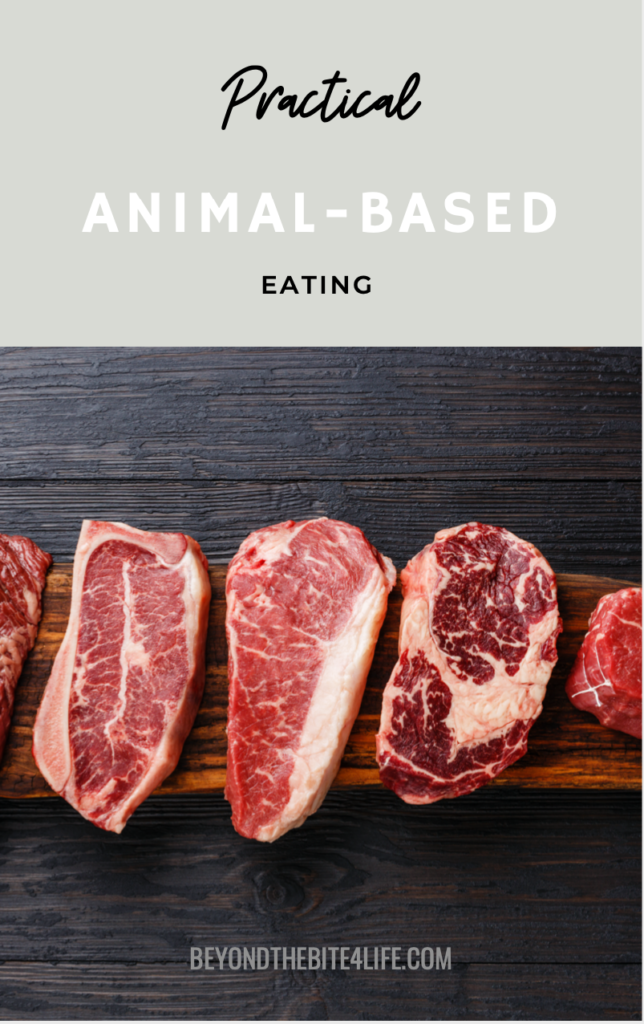
My Guide to Practical Animal-based Eating

January 23, 2022

I recently created by second e-book all about animal-based and am super excited to share it with you all!

Why Animal-based?

With a variety of healing diets out there, it can be hard to know which one to choose. I get it.

As someone whose battled the effects of chronic Lyme Disease for over a decade, it feels like I have tried them all.

Paleo, SIBO elimination, low-FODMAP, the Autoimmune Protocol, Ketogenic…You name it, I’ve done it!

So what makes animal-based so special?

The beauty of an animal-based diet is that it naturally combines may of these approaches to eating all in one place.

This is because animal-based eating is the true ancestral diet meant to heal, support, and fuel your body on all levels, all at once.

While we are constantly learning new things about the human body, an animal-based diet is believed to be the most evolutionarily consistent with what our bodies were meant to eat. What’s even better about an animal-based diet is that it does not get stuck in dogmatic thinking very prevalent in diet culture today.

Instead, an animal-based “diet” leaves room for new discoveries, understanding, and better yet, for you to use your intuition and find what feels best for your body. I put quotations around diet because if we are being real, animal-based is much more than a diet. It’s a change of thinking and living. It is a true lifestyle.

After learning the why’s behind an animal-based approach to eating, I realized it truly was the best way to heal my gut, improve my digestion, get rid of persistent infections, better my sleep, increase my strength, heal my thyroid, and ultimately, kick Lyme’s butt.

Overall, it’s had such an influential impact on my life, I couldn’t help but want to share it all with you.
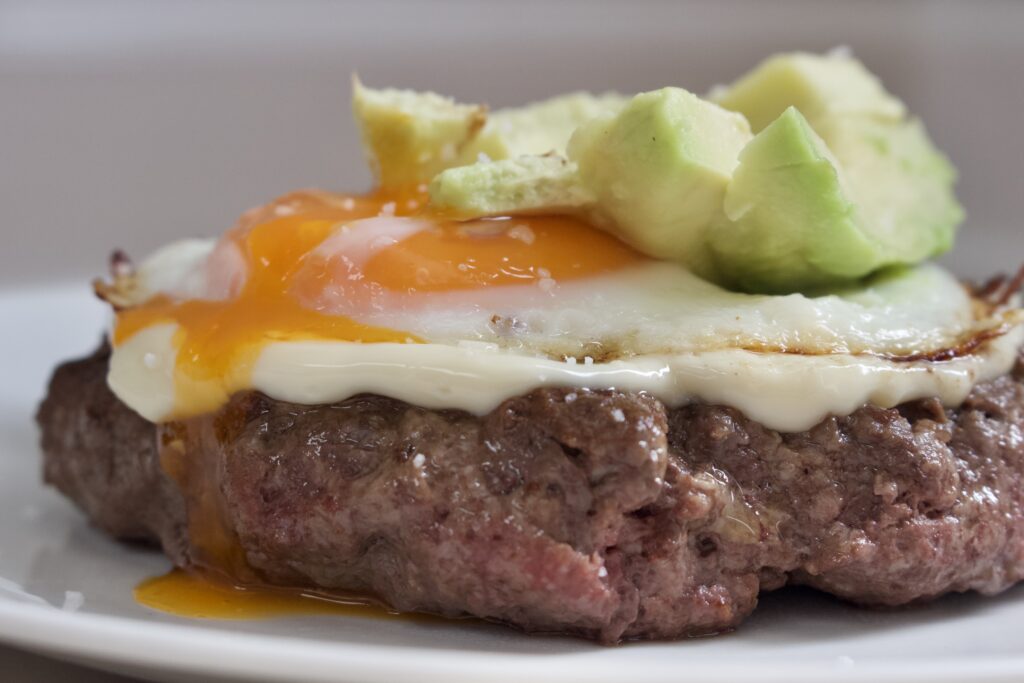
Practical Animal-Based Eating includes:

  • Over 50 pages of resources for anyone looking to begin an animal-based diet but is not sure where to start.
  • FAQ – Is animal-based eating low in carbohydrates? Do I have to give up coffee? What about baking?
  • 20+ animal-based recipes including pork rind crusted chicken tenders, braised pineapple pork neck, greek lamb koftas, and many more
  • Generalized weekly meal plans
  • Topics include why we avoid plants, an animal-based oxalate list, a note on cooking oils & fats, foods to eat, how to make the switch with kids, kitchen & pantry essentials, and much more.

Buy Now

Filed Under: autoimmune, autoimmune disease, autoimmune paleo, beyond the bite, carnivore, Food and The Human Body, ketogenic, low carb, meat, paleo, Primal

The Centralization of Our World: Human Health and Beyond

September 5, 2026

At some point, we stopped believing we were capable of determining truth for ourselves.  We began looking outward.

At face value, this post may not seem like it is connected to what I’ve been bringing up lately on my blog and Instagram. However, they are completely tied together. In this post, I will do my best to lay out that connection.

What does my doctor say? What does my child’s teacher say? What does the textbook say? What does the government recommend? What does the expert say? What does the research say?

But perhaps the more important questions are: Who determined what made it into that textbook? Who decided what research was worth funding? Who established what qualified someone as an expert? And who funded the institutions that eventually became responsible for determining what we accept as truth?

To understand how deeply centralized our thinking has become, we have to understand how we got here.

The Centralization of Education

Public education existed in America long before Rockefeller money entered the picture. But education was once considerably more decentralized, with far more authority residing within families, communities, churches, local schools, and locally governed systems.

Then enormous concentrations of private wealth began pouring into education.

John D. Rockefeller established the General Education Board (GEB) in 1902. Between 1902 and 1965, the GEB distributed approximately $325 million toward education, with money reaching schools, universities, teacher education, medical education, and agricultural and rural education programs.

Money does more than build buildings. Money determines what gets funded, which programs have the resources to expand, which methods are replicated, and which institutions acquire authority.  And standardization followed.

Curriculum became increasingly standardized. Teachers became increasingly credentialed. Educational administration became professionalized. Children’s abilities became increasingly measurable through standardized assessments.  Or so we were taught to believe.

The history of standardized testing is particularly revealing.  During World War I, psychologists used mass intelligence testing to evaluate and classify enormous numbers of military recruits. Then that model was brought directly into education.  In 1919, Rockefeller’s General Education Board provided the National Research Council with $25,000 specifically to prepare and standardize group intelligence tests for school children in grades 3-8. The resulting tests were adapted from tests administered by the U.S. Army during World War I. That history is documented today by the Smithsonian’s National Museum of American History.

Think about that progression:

Mass testing of soldiers became mass testing of children.  The underlying concept was extraordinarily powerful:  Measure everyone using the same instrument. Compare them. Categorize them.Determine where they belong.

Today we rarely question the premise. Children sit for standardized assessments, receive numerical scores, and those numbers become indicators of whether they are “ahead,” “behind,” “proficient,” or successful.  But perhaps the greatest accomplishment of centralized education isn’t the standardized test or even the standardized curriculum.  It is convincing us that education itself belongs to an institution.

Parents teach their children from the moment they are born. We teach them language, relationships, morality, problem-solving, curiosity, communication, and how to navigate their environment.  Then a child reaches school age and suddenly many parents believe they are no longer qualified to educate them.  Education must happen inside a designated building.  The teacher must possess the appropriate credentials and “experience.”
The curriculum must be approved, the progress must be measured, and success must be documented.  A parent who successfully taught a human being to speak suddenly believes they are incapable of teaching that same child to read.

We didn’t merely outsource education.
We outsourced our confidence in our ability to educate.

And once that happens, the institution doesn’t simply determine what children learn. It begins determining what society considers knowledge.

Medicine Goes Through Its Own Transformation

At roughly the same period, medicine underwent its own transformation.

In 1910, the Carnegie Foundation for the Advancement of Teaching published Abraham Flexner’s Medical Education in the United States and Canada – what we now call the Flexner Report.  Flexner examined medical education throughout the United States and Canada and proposed a sweeping reconstruction of medical training around rigorous scientific, laboratory, university, and hospital-based education.

The report completely reshaped American medical education, but arguably for the worse.  Then Rockefeller philanthropy poured enormous amounts of money into medical education, universities, biomedical research, and public health. Rockefeller’s own archives identify medical schools as one of the major areas receiving General Education Board funding.  Because of this, medicine became increasingly standardized, credentialed, institutionalized, and specialized.  And as a result, science became increasingly siloed.

Physics became physics, chemistry became chemistry,  and biology became biology. 
Each developed its own specialists, journals, departments, credentials, institutions, and accepted bodies of knowledge.  While specialization can create extraordinary depth of knowledge, what happens when we become so specialized that we stop seeing the organism as a whole?

Human biology does not recognize academic departments.

Your mitochondria do not stop interacting with physics because you walked into a biology classroom.  Light does not cease affecting chemistry because your physician specializes in neurology.  Water, electromagnetism, metabolism, hormones, circadian rhythms, environment, and mitochondrial function do not operate independently simply because our institutions study them independently.

Nature never separated them.  We did.

Then We Centralized Food

The same Rockefeller fortune that became extraordinarily influential in education and medicine also entered agriculture.

In 1943, the Rockefeller Foundation formally partnered with the Mexican government on an agricultural program focused on increasing agricultural production. The Foundation itself traces the roots of the Green Revolution to this work and the agricultural research that followed.  Agriculture increasingly became something that could be scientifically optimized, standardized, industrialized, and scaled.  Higher-yield crops, greater production, more technology, more inputs, and more scalability.  This model then spread internationally.  Food was increasingly transformed from something inherently tied to geography, season, soil, local ecosystems, and community into something that could be produced and distributed on an industrial scale.  And once food becomes an industry, another variable inevitably enters the equation: Profit.

From Agriculture to the Food Pyramid

Then we arrive at nutrition.

By the 1970s, food wasn’t simply an agricultural issue. It had become a matter of economic policy, government policy, public health, and national nutritional recommendations.  In 1977, the federal government published Dietary Goals for the United States.  In 1980, USDA and HHS published the first Dietary Guidelines for Americans.  Then, in 1992, USDA introduced the Food Guide Pyramid.  At the enormous bottom of the pyramid? Bread, cereal, rice, and pasta: 6-11 servings every day.  At the tiny top? Fats, oils, and sweets: use sparingly.  And then something remarkable happened.  The pyramid entered classrooms. It entered educational material, doctor’s offices, food packaging, and advertising.  Eventually nobody needed to ask where it came from. It was simply the gold standard.  And that may be the most important part of this entire story.

When Institutional Knowledge Becomes “Truth”

Centralization doesn’t require someone standing over every classroom, laboratory, farm, or doctor’s office dictating what everyone must believe.  There is a much more powerful mechanism.  Determine what qualifies as legitimate knowledge in the first place. Fund the institutions > Fund the research > Establish the standards > Train the professionals > Determine the curriculum > Publish the textbooks > Create the credentials > Create the measurements > Repeat it for generations.

Eventually the institutional standard becomes indistinguishable from truth.

Then we begin repeating it ourselves:  “This is what science says.”  “This is what doctors recommend.” “This is what children need to learn.” “This is what a healthy diet looks like.” “This is what successful people do.”

But underneath every one of those statements is a question we rarely ask: According to whom?And perhaps more importantly: How did they become the authority?

Money Became the Mechanism of Control

Overall, Rockefeller and other powerful private fortunes used money to centralize and standardize public education, medicine, science, food, and agriculture. Their funding determined which institutions expanded, which research received resources, which educational models could be developed and replicated, and which ideas acquired institutional legitimacy.  You don’t have to personally write every textbook or design every medical treatment to control the direction of a system.  Control the funding and you control what gets built.  And once those institutions are established, the system begins perpetuating itself.  Universities train the experts > Experts conduct the research > Research informs government standards > Government standards inform curriculum > Curriculum trains the next generation > The next generation enters the same institutions…and the cycle repeats.

Money > Institutions > Standards > Education > Accepted Knowledge > Behavior

And somewhere along the way, we stopped asking whether what was profitable, scalable, standardized, and institutionally accepted was necessarily the same thing as truth.

We Have Centralized More Than Health

Once you recognize the pattern, it becomes difficult not to see it everywhere.  We don’t simply outsource medicine, we outsource our health.  We don’t simply outsource schooling, we outsource education.

We outsource food production. We outsource financial security.  We outsource childcare.
We outsource our understanding of science.  We outsource our careers to credentials.  We outsource our judgment to experts.

And eventually we outsource something much more valuable: our ability to think independently.

Ask what makes someone educated and we point to a degree.
Ask whether a child is learning and we point to a test score.
Ask whether someone is healthy and we point to laboratory numbers.
Ask whether something is scientifically true and we ask whether an institution recognizes it.
Ask whether someone is qualified to teach a child and we look for credentials rather than asking whether they actually understand the child or the subject.

We have become so accustomed to centralized systems that many of us struggle to imagine functioning without them.

Decentralization Does Not Mean Finding a New Authority

But there is another trap.  Rejecting one centralized authority only to blindly follow another is not decentralized thinking.  If you stop saying:
“The government says it, therefore it must be true” and replace it with: “My favorite podcast says it, therefore it must be true,” nothing fundamental has changed.  You have simply selected a different authority.  Decentralized thinking requires something much harder.

It requires you to take the time to read the original source.  Ask who funded the research.  You must learn to understand the mechanism, compare competing explanations, look at incentives, always question assumptions, observe your environment, learn how your own body works, and allow evidence to change your mind. And overall, we must top assuming credentials automatically confer truth.

As Dr.Jack Kruse regularly says, “never trust, always verify.”

Nature Was Never Centralized

Perhaps the greatest irony is that the system we are attempting to understand – human biology – was never centralized to begin with.  Nature does not operate according to government guidelines.  The sun rises whether or not a medical association releases a position statement.  Our circadian clocks respond to light whether or not that interaction appears in a health textbook.  The seasons change, temperature changes, food availability changes, light changes, and our bodies respond. Nature has always been dynamic, interconnected and profoundly contextual. Yet we have attempted to understand it through standardized recommendations designed for millions of people simultaneously.  We’ve completely standardized the individual and then wonder why the individual stopped understanding himself.

Maybe the Greatest Success of Centralization Is That We Don’t See It

The Food Pyramid is easy to question today because we have watched nutritional recommendations change. But imagine being a child when it hung on the classroom wall. It wasn’t presented as one hypothesis about nutrition. It was simply what healthy eating was.  That is the power of institutionalization.  Once something has passed through enough universities, government agencies, textbooks, classrooms, medical offices, and professional organizations, we stop asking where it originated.

We inherit it as truth.  And that extends far beyond food.  The fact that so many of us instinctively look toward centralized institutions to determine how we should eat, learn, work, heal, raise our children, and understand our own bodies demonstrates just how deeply centralized thinking has become.

No one has to force us to think centrally anymore. We do it automatically.

Perhaps the way forward isn’t another institution, another expert, another standardized system, or another person telling us what to believe.

Perhaps it begins with learning how to ask questions again. We must learn how to investigate, observe, connect disciplines that institutions have separated, educate our own children, understand our own biology, and look at nature before looking at a “guideline.”

Centralization taught us to outsource authority. Decentralization requires us to take it back.

Primary Sources & Further Reading

Rockefeller and Education
The Rockefeller Archive Center documents the establishment of the General Education Board and its extensive educational philanthropy.
Open source

Rockefeller Funding of Mass Intelligence Testing in Schools
The Smithsonian documents the GEB’s 1919 grant to standardize group intelligence tests for grades 3-8, adapted from WWI Army testing.
Open source

The Flexner Report – 1910
Abraham Flexner’s original report published by the Carnegie Foundation.
Open source

Rockefeller and the Green Revolution
The Rockefeller Foundation discusses its Mexican agricultural work and its connection with the Green Revolution.
Open source

History of Federal Dietary Guidance
The federal government’s historical timeline of Dietary Guidelines for Americans.
Open source

USDA Food Pyramid Development Records
USDA National Agricultural Library archival records concerning development of the Food Guide Pyramid.
Open source

Listen: Dr. Jack Kruse on Centralization & Decentralization

A lot of the questions that sent me down this rabbit hole came from listening to Dr. Jack Kruse. His work challenges the conventional separation of physics, biology, medicine, environment, and human health and repeatedly returns to decentralized thinking.

Unplugging from the Matrix with Dr. Jack Kruse – The What Is Money? Show, WiM545
A long-form discussion of money, medicine, institutional power, history, nature, technology, and decentralization.

Dr. Jack Kruse – Decentralized Medicine and Natural Law
A discussion centered on decentralized medicine, natural law, and reconnecting health with the environment.

Dr. Jack Kruse – Undoctrinate Yourself
A long-form conversation touching on Rockefeller, institutional medicine, money, and decentralization.

Dr. Jack Kruse’s Writing
For his material on light, mitochondria, circadian biology, water, magnetism, and decentralized health.

I don’t believe decentralization means believing Dr. Jack Kruse simply because Jack Kruse said something. That would defeat the entire point. Listen to the argument. Follow his sources. Read the original documents. Challenge what you think you know. Then decide for yourself.

Don’t exchange one authority for another. Learn how to think for yourself.

John 8:31-32 “31 So Jesus said to the Jews who had believed him, “If you abide in my word, you are truly my disciples, 32 and you will know the truth, and the truth will set you free.”

Filed Under: health, health article

The Sun is Only Half of the Story, Part I

August 28, 2026

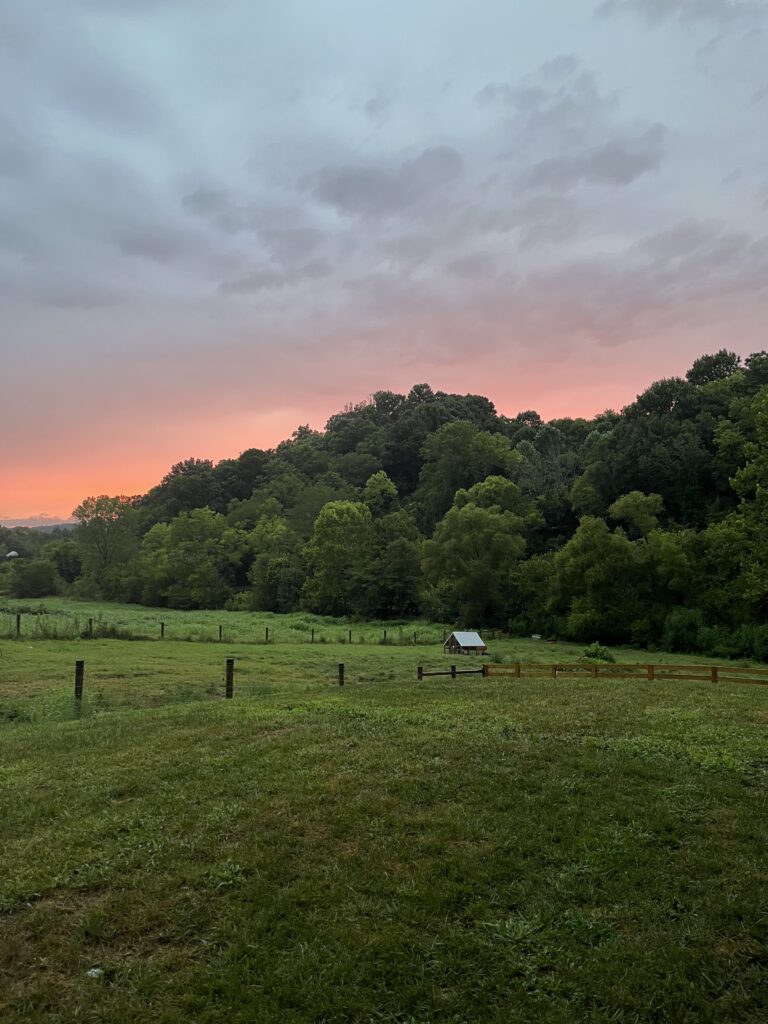
Farm sunrise

Farm sunrise

Nature’s cycles are always coupled. We cannot solely focus on the benefits of sunlight without also giving our proper respects to the darkness that is bestowed on us nightly. They are both equally important when it comes to health and the human body. But to understand why, we must first distinguish “morning light” from “sunrise.”

Our bodies contain biological semiconductors. Robert Becker demonstrated semiconductor properties in bone (see The Body Electric for more on this). Jack Kruse extends this semiconductor model throughout cellular biology. These materials in and around our cells can move electrical charge, and their electrical behavior is influenced by things like light and temperature. When charge moves in one direction, we have a direct, or DC, electric current. This means that our bodies aren’t just chemical; they’re electrical, too.

I talked previously about time, how light gives our bodies time information and syncs our bodies to the appropriate time. It also gives us time. Meaning, the more energy from light our cells have stored, the more time, theoretically, we could have on this earth. Without time in our bodies, we lose health. This is because, without time, dysfunction in our internal timekeeping systems occurs. Simply put, health is marked by the abundance of time.

The sun gives off photons that interact with our tissues. Photons of different wavelengths carry different amounts of energy. This matters because our biological semiconductors respond differently depending on the wavelength and energy of light received. When photons of sufficient energy from sunlight interact with our semiconductors, they cause the electrons in our cells to behave and move differently. This interaction between light and electrons is called the “photoelectric effect,” and the resulting movement of charge can create an electric current.

We must also consider that the spectrum coming off the sun continues to change as the sun moves through the sky. This is what causes the photon environment of sunrise to be unlike any other time of day. In order to give our semiconductors the proper input for proper timekeeping in our bodies, we cannot miss the beginning part of this light sequence. It is a signal that is simply not interchangeable with light later in the morning. If you get outside during the morning and expect to receive the same signal as viewing sunrise, you’ve missed the mark.

Overall, we must give our biological semiconductors the light information they need, at the correct time, to initiate and support the appropriate electrical and biological processes throughout the day. This is why getting light throughout the day is also very important. The spectrum changes to give our bodies the ever-changing messages they need to run best.

The daytime electrical state of our cells changes with the changing solar spectrum, which is what eventually leads us to night, where we experience darkness. And this is where darkness becomes just as important as light.

But let’s pause right here, because with all of that in mind, it becomes easier to see that some of the greatest costs to human health have come disguised as the conveniences of our modern world. Working 9 to 5 in an office building with little to no natural light signaling. Sending kids off to school for 7+ hours a day, where they spend many hours under artificial light with little opportunity to build their redox potential for their future selves and future generations to come.

Those facts might hit harder for some people than others. But if you take the time to really learn, you’ll realize that you have two options: you can sit and rot in denial, or you can do something about it.

How I’ve structured my day, and the realizations I’ve had about life in our modernized world, have slowly morphed over time the more I’ve learned about the effects of light, water, and magnetism on the body. It’s not something that happened overnight. It truly is a health journey, and I encourage you to start. Start asking questions. Start analyzing how you could do things differently throughout your day.

For me, it started with never missing a sunrise. It started with simply taking a light break and getting outside at solar noon. It started with being intentional about when we eat our meals and opening doors and windows when we are inside. Overall, it’s changed what my family prioritizes and what we choose to intentionally avoid. It’s changed where we spend our money and where we don’t.

So I challenge you to start down this journey. Because even when things seem impossible to change in the moment, with time, you will realize they are not.  You simply must start.

But remember where we started. The sun is only half of the story. Because just as our bodies respond to the appearance and changing spectrum of sunlight throughout the day, they also respond when that light disappears (and spoiler alert, it goes far past sleep and melatonin).

Nature never gave us endless daylight. It gave us a cycle: light and darkness. If we want to understand what living in sync with that cycle really means, we have to learn to respect both.

But I’ll save darkness for next time.

Further Reading

For those interested in diving deeper into the concepts discussed in this post, see the following articles by Dr. Jack Kruse:

  • TIME #12: Is Adrenal Fatigue Due to an Altered Spectrum of Light?
  • TIME #8: Psoriasis and the Photoelectric Effect
  • TIME #16: Time Subtraction = Loss of the Spinning ATPase
  • Tensegrity #2: Cortisol = Power of AM Sunlight
  • TIME #3: Can a Chart Tell You Something About Time?
  • TIME #5: How Is Time Created?
  • TIME #7: The Photoelectric Effect

John 1:4 “In Him was life, and the life was the light of men.”

Filed Under: health article, Light

Why Redox Changed Everything for Me

August 15, 2026

I’ve gone through writing this post in so many different forms and fashions. I’ve tried explaining the science. I’ve tried breaking down redox, mitochondria, electrons, thermodynamics, light, water, and time. And every time, I end up feeling like I’m losing the entire reason I started writing again in the first place.

My goal with bringing this blog back was never to write a textbook. It was to share my story of finding true health, to share what I’ve learned along the way, and hopefully to challenge the way you think about your own health and the world around you.

I’m not asking you to blindly believe me. In fact, don’t.  If something I say makes you curious, go investigate it. Go down the rabbit hole yourself. PLEASE! At the end of this article, I’ll link to some of the people and sources that have been foundational in teaching me to see health, and really, the world, differently.

The truth was never meant to be overly simplified just so that it could be easily accepted by everyone.

So I’m not going to spend this post trying to explain every piece of the science behind redox. I’m going to tell you what I’ve learned, how I’ve applied it to my life, and why it has completely changed the way I think about health. And then it’s up to you to decide what you want to do with it.

We tend to learn about the cell through biology and chemistry: molecules, reactions, enzymes, ATP. But underneath those reactions are physical principles: energy, electrons, electrical potential, charge separation, gradients, light, and time.  Redox was what started connecting those pieces for me. 

A living cell must maintain differences in energy and charge to keep doing work. If those differences disappear and the system reaches equilibrium, there is no longer potential available to drive that work. Redox potential is part of that energetic picture because it deals directly with electrons and their tendency to move (aka their ability to be used by the body).

But there’s a caveat. The body can, in fact, have a great deal of energy stored but have also lost the ability to receive external signals and/or properly use that stored energy.

What changed everything for me was realizing that my environment has a direct influence on all of this.

Light isn’t only something our bodies respond to biologically. It’s energy. And the changing light of the day also carries information about time.

So the way I’ve come to understand it, there are two pieces I had been completely and unknowingly overlooking: the energy our cells receive and the timing information that tells our body what to do with it.

It has nothing to do with food and exercise.  And by nothing, I do not mean that they don’t have their role.  Food is another external signal that brings light energy and information into our bodies through the GI tract. This is one reason why eating local, in-season foods is so important.  And movement is also important for humans. We were made to move. However, we must proceed with caution if we still think that exercise is necessary to be healthy. Exercise, if not done with intention, can actually deplete our redox potential.

One of the ways people typically push back against what I’m sharing is by saying, “But I’m healthy.” If our bodies are meant to be synced to nature, how can so many people live without those environmental cues and still appear perfectly healthy?

And the truth is, our bodies are highly complex and incredibly capable. Our bodies want health, so when we don’t give them the correct environmental cues, they do the next best thing. They rely on food as a secondary source of cellular energy and pull from whatever redox potential might be stored throughout the body.

But everyone’s context is different. We all have a different maternal lineage. We all live in different environments. We have different exposures, different stressors, and different amounts of redox potential to pull from.

This is why one person may seemingly “get away with” living completely disconnected from nature for years, while another person’s health begins to unravel much sooner.

And when it unravels, this doesn’t automatically mean death. It simply begins to show itself through dysfunction. When things are not organized in time through light, our bodies begin to run in a state of dysfunction. What that looks like will be different for everyone.

And if you are one of the few who can truly look at your health without any blinders and say, without reservation, that you are 100% healthy, then all the more reason to continue building your redox potential.

Syncing with nature is free.

Have you ever thought about how expensive it is to be sick?  I know, personally.  Which is why I choose to sync my day with the sun.

So what did this actually change for me?  Honestly, almost everything.

Once I started seeing health through this lens, I couldn’t unsee how disconnected modern society has become from the very thing that is meant to keep us healthy (did I mention it’s free?).

So I started changing the way I structured my day and, slowly, my family’s as well.  And I realize this can look different for everyone and, quite frankly, isn’t always (or maybe ever?) easy. Modern society and modern schedules have undoubtedly made it hard.

But for me personally, it looks like getting outside for sunrise. I stopped treating morning sunlight as another “healthy habit” to check off a list and started seeing it as the signal that begins my day.

I started paying attention to how and when I could get light in my eyes and on my skin throughout the day. This looks like avoiding things that could get between me and the sun: excess clothing, sunscreen, skincare, sunglasses, or even windows. If I’m indoors or driving, you’ll see me opening a window any chance I get.

But I also started realizing that getting sunlight was only half of it. It’s not just about eliminating “bad” blue light. It’s also about embracing the darkness.

If morning light tells my body what time it is, then the light I expose myself to after the sun goes down matters too. So our evenings slowly changed as well. We turn off our lights after sunset, and if we need light, we use dim red light.

Overall, sunrise became the beginning of my day, and darkness became something I stopped trying to eliminate from my night.  Eventually, these weren’t things I had to constantly think about. They simply became the rhythm of our home.  That’s probably been the biggest practical shift for me: I stopped trying to make my environment conform to my schedule and started letting nature help set the schedule.

It changed the way I think about when I eat, when I move, when I expose myself to light, when I seek darkness, and even how I think about the seasons.

And truly, none of this costs me anything.  It’s simply a different way of interacting with the environment that’s already around me.  That is what makes this so personal for me. I spent years thinking about health primarily through the lens of what I could put into my body.

Now I think about it much more in terms of what my body is receiving from the environment around it, and when.

Resources

  • Dr. Jack Kruse
  • Dr. Robert O. Becker — The Body Electric
  • Dr. Alison — FieldLab
  • Dr. Alexis Cowan

Ephesians 2:10 “or we are God’s handiwork, created in Christ Jesus to do good works, which God prepared in advance for us to do”

Filed Under: about me, chronic illness, chronic lyme, chronic lyme disease, health, health article, Light, Personal Experiences, redox

It Started with Sunrise

August 5, 2026

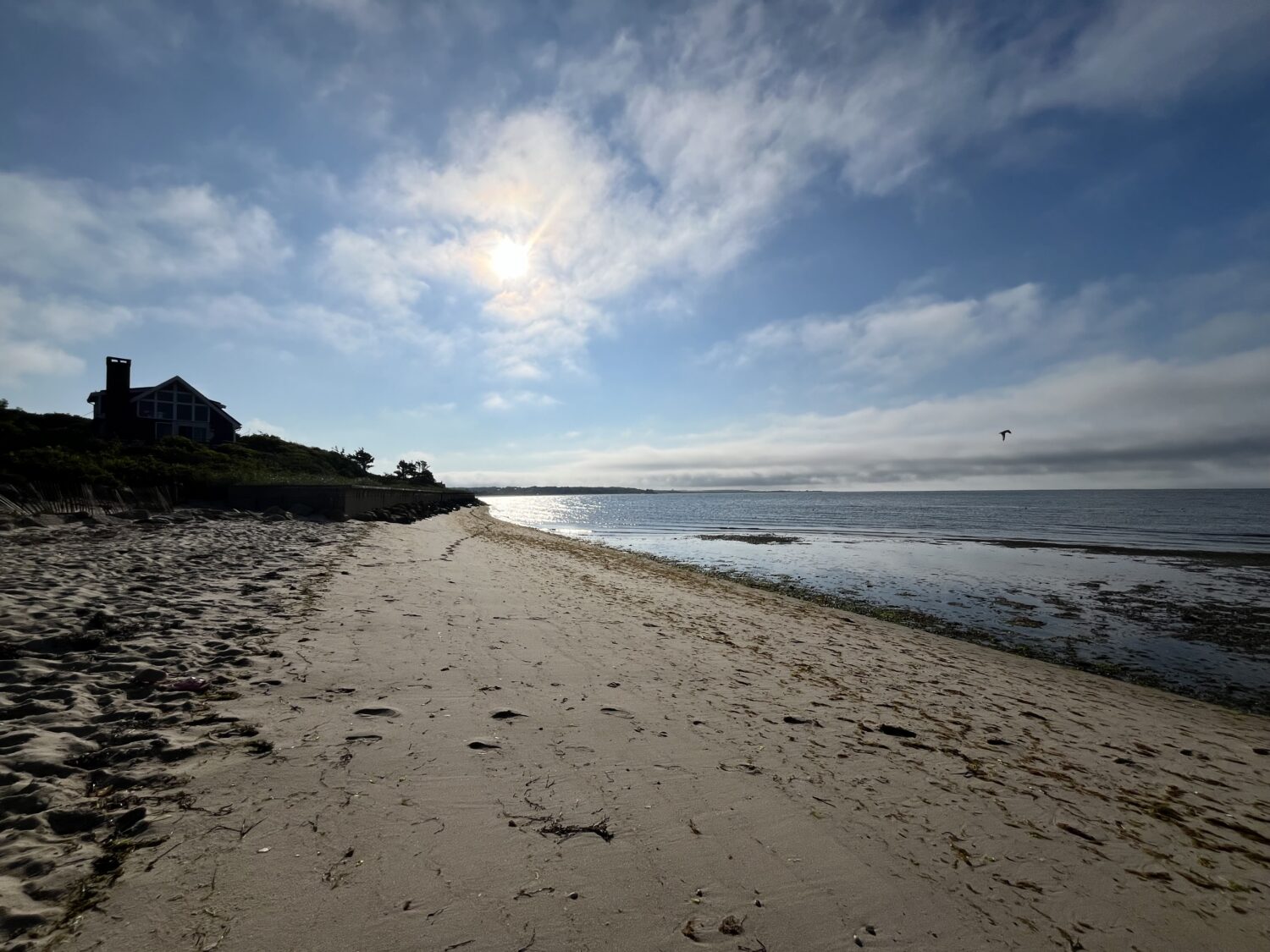
Morning Sunrise Over a Quiet Cape Cod Beach

Morning Sunrise Over a Quiet Cape Cod BeachThis post is a difficult one to write because, if I’m being honest, I don’t know that I can pinpoint exactly when it all started.  Looking back, I think it was sometime after my second son was born.
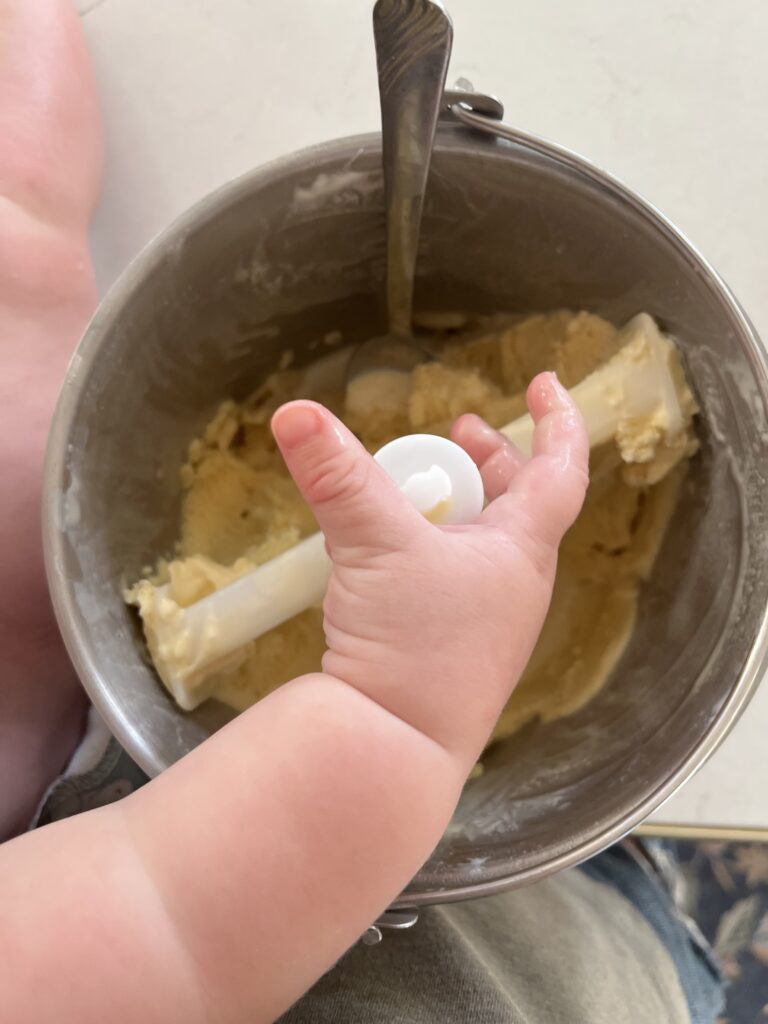
My mom and I have always loved talking about health. We were, and still are, constantly discussing new ideas. Looking back, she was the first person to talk to me about watching the sunrise. She was learning from a doctor friend whose own understanding of health and the human body was evolving, and naturally I wanted to know what had her so excited, and frankly, so convinced.

At the time, I didn’t even realize the sun rose at a different time every day.  I loved being outside and I loved having a good tan. But I wasn’t connected to nature in the way I am today. I understood the idea of a circadian rhythm, but only at a surface level. To me, it meant not watching TV too late or staying off my phone before bed because the blue light would make it harder to sleep.  But sunrise?  Little did I know that was just the tip of the iceberg.

I’ve always been willing to try just about anything if I thought it might improve my health, so I didn’t dismiss what she was saying. If anything, it made me curious. Curious enough to start asking questions and doing my own digging.  After years of battling chronic Lyme disease, I was still searching for answers. I had experienced healing in so many ways, but I couldn’t shake the feeling that there was still more to learn.  Part of that is just how I’m wired. I’ve never been able to settle for “that’s just the way it is.”  But if I’m being honest, it was more personal than that.  I couldn’t shake the feeling that my body was capable of more.

I think it’s easy to convince ourselves that feeling tired, inflamed, anxious, or disconnected is simply part of life. We blame our age, stress, hormones, or any number of other things. At surface level, those explanations often seem true.  But many times they simply become reasons to stop asking questions.  And I’ve never been very good at settling.  So instead, I dove in headfirst.  At the time, I thought I was simply learning about health.  I had no idea I was beginning to see the world through a completely different lens. The way we live.  The way we eat.  The way we interact with the world around us.  The way we think about the human body.  The way we define “health.”  The assumptions we’ve accepted without ever questioning them.

I slowly realized that all of this wasn’t just changing what I knew, it was changing how I lived.   It changed the questions I asked and it changed the choices I made. And once I started seeing the world through that lens, I couldn’t unsee it.

Psalm 119:130 “The unfolding of your words gives light; it gives understanding to the simple.”

Filed Under: chronic illness, chronic lyme, chronic lyme disease, health, health article, Light, Personal Experiences

Why I Stopped Writing About Food—and Why I’m Back

July 22, 2026

Beyond the Bite Health Journey

The inspiration behind today’s post comes from my husband.  It’s been over 4 years since I posted on here. SO MUCH life has happened since then. So much healing, but also so much knowledge has been gained in the understanding of health.  So much so, I’ve almost been paralyzed to start writing again.  Between kids, work, and home, I’ve not been sure  where I’ll get the time to write.  I write best, ironically, when I’m not writing at all.  Rather, in bed, before I go to sleep. That is when my mind starts spinning. That is when I come up with the best content. But alas, here I am, trying to write my first post in over 4 years, with my special-needs son screaming for my attention (maybe I’ll share more on that later?), my 7 month old trying to eat a stick she found in the yard, and my toddler is, well, I’m not sure where…

My husband called me a great come-back story. And It’s true. I’ve healed so much that you’d never guess how my life was when I started Beyond the Bite. But my core understanding of health and healing has also dramatically shifted.  This blog began centered around food as a means of healing.  While food certainly has its place, I’ve come to learn that light is in fact, the most powerful tool in healing and health.

That is all I will leave you with today.  There is a lot to unpack.  Many of you may know what I’m referring too, others may be left scratching their heads.  So more on that later.  In the meantime, here I am saying hi, typo-s and all. Now it’s time to go pick up some Magna-tiles, oh yeah, and find that up-to-no-good toddler of mine.

Psalm 61:2 “From the end of the earth will I cry unto thee, when my heart is overwhelmed: lead me to the rock that is higher than I.”

Filed Under: chronic illness, chronic lyme, chronic lyme disease, health, health article, Light Tagged With: chronic illness, chronic lyme disease, Dr.Jack Kruse, light, light environment, redox, Sunrise

Paleo Banana Collagen Bars with Coconut Flour (Nut-free)

January 15, 2022

I love throwing collagen into my kids baked goods.

There’s really no reason not to add a little bit of protein to make their snack a little more filling and satisfying.

My most recent collagen bar recipe was autoimmune-protocol friendly and made with green banana flour and sweetened with apple sauce.

On the flip side, today’s recipe uses coconut flour and banana as its primary source of sweetness. They taste just like a good banana bread. Soft, sweet, and perfect for little hands and mouths.

I’ve been on a mission to make more baked goods without nuts yet equally great in taste and texture.

This can be difficult with coconut flour due to the high amount of eggs needed. If you’ve baked with coconut flour, you know what I’m talking about.

However, I am pleased to say these banana collagen bars are neither too egg-y or coconut-y.

For mix-ins, I used a mix of dark chocolate and raisins, though chopped nuts or shredded coconut are also great options. Additionally, you can make them completely fruit sweetened by omitting the honey and simply using super ripe bananas. The choice is yours as always, enjoy!

Paleo Banana Collagen Bars with Coconut Flour (Nut-free)

Ingredients

  • 1/2 cup coconut flour
  • 1/2 cup collagen peptides
  • 1/2 tsp sea salt
  • 1/4 cup ghee, melted
  • 4 eggs
  • 2 bananas, ripe
  • 2-4 tbsp honey
  • 1/2 cup raisins (or) chocolate chips

Process

  • In a mixing bowl, mash together honey, bananas, eggs, and ghee until fully incorporated with each other.
  • Sift in collagen, coconut flour, and sea salt, mixing with a spatula until combined.
  • Fold in raisins or chocolate chips and scoop batter into a parchment lined 9×13 baking dish.
  • Place the bars in a 350 dg F preheated oven and bake for 20-25 minutes.
  • Allow to cool fully before slicing and serving.

John 8:31-32 “…Jesus said, “If you hold to my teaching, you are really my disciples. Then you will know the truth, and the truth will set you free.””

Filed Under: baked goods, coconut flour, dairy free, paleo, Recipes Tagged With: grain free, nut free, Paleo

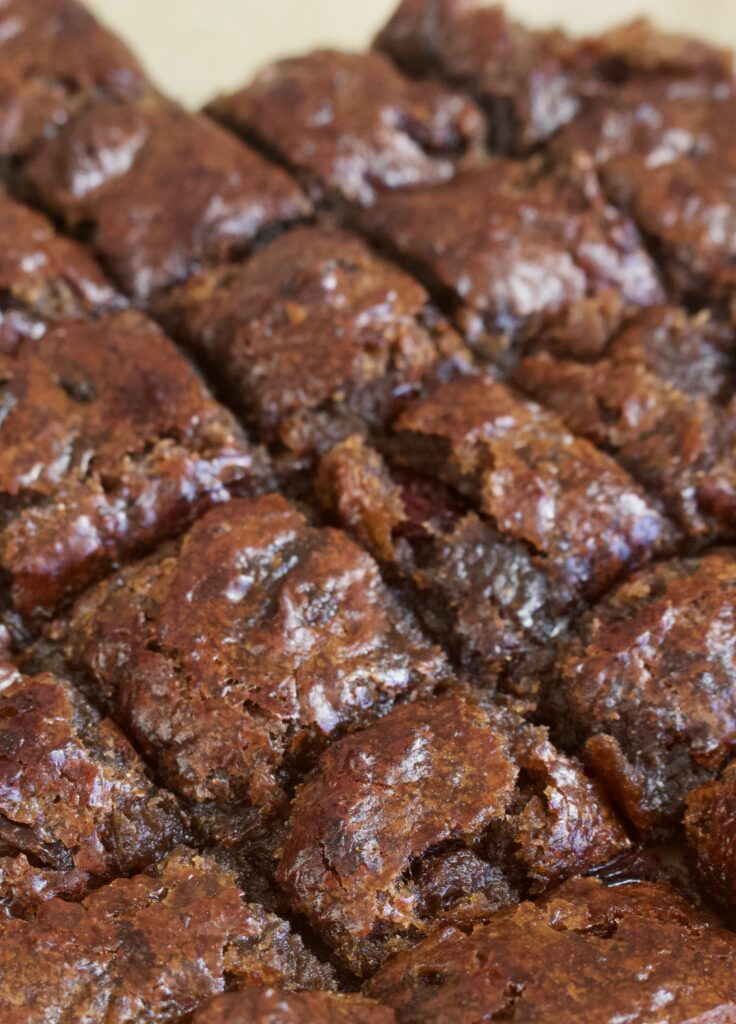
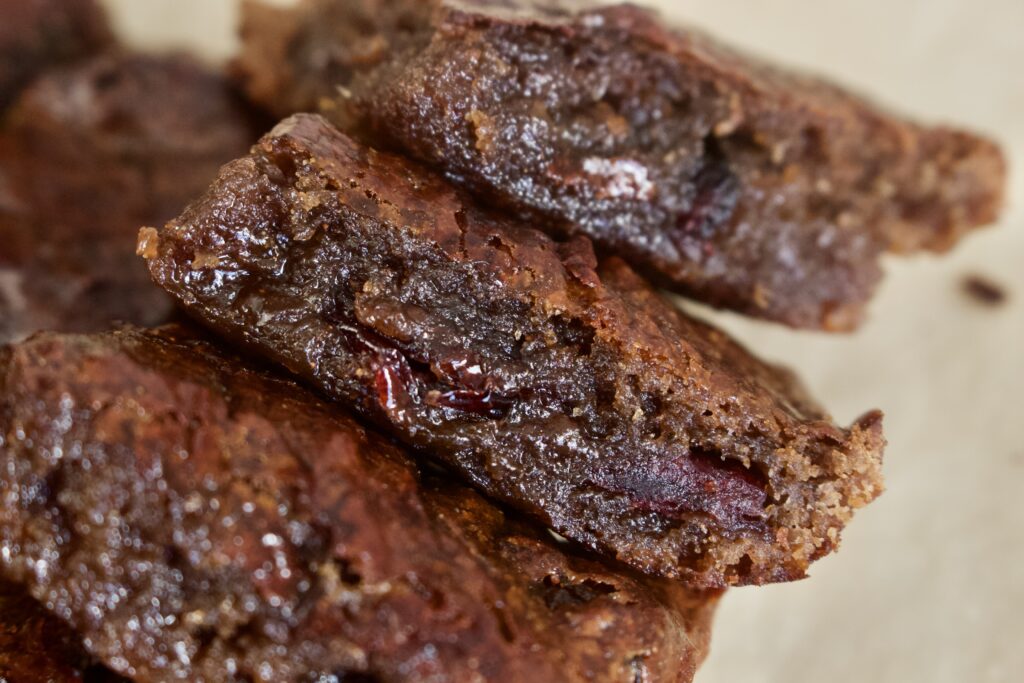
Paleo AIP Cinnamon Raisin Collagen Bars (Fruit-sweetened, Coconut-free)

December 11, 2021

My original collagen bar recipe is one of the household’s favorites. I made the recipe as a way to get protein into my kids when they are, well, being kids and not wanting to eat their regular food. The original collagen bar recipe uses almond flour, with the option of tigernut flour. However it does use eggs, which I know some people have to avoid. I tried making a paleo autoimmune protocol friendly collagen bar originally with banana, but found that it was too gummy. When using green banana flour, these cinnamon raisin collagen bars are naturally chewy, which makes applesauce and gelatin the perfect egg substitution. In a way, they remind me of fig bars, as they are not inherently sweet, but the use of dried raisins and cranberries adds a nice natural sweetness to each bite. I’ve also made this recipe using sweet potato flour and almond flour. Either version comes out delicious, and you can feel good that these bars are not only rich in collagen, but only contain fruit sugar and highlight some whole-food ingredients.  My one year old is the biggest fan of these bars and will devour them any chance I give him.  If green banana flour sounds weird and hard to find, have no fear, Thrive Market sells most all of the ingredients I used. You can also find many unique alternative flours at local ethnic grocery stores.  

AIP Paleo Cinnamon Raisin Collagen Bars

Ingredients

  • 1 cup collagen
  • 1 cup green banana flour
  • 1 tbsp gelatin
  • 1/2 cup unsweetened apple sauce
  • 1/4 cup non-hydrogenated palm shortening, melted
  • 1 tsp vanilla
  • 1/2 tsp sea salt
  • 1 tsp cinnamon
  • 1/2 cup raisins
  • 1/4 cup dried cranberries

Process

  • In a large bowl mix together collagen, gelatin, banana flour, sea salt, and cinnamon until combined.
  • Pour in melted coconut oil, vanilla, and apple sauce, mixing until a sticky batter has formed.
  • Fold in raisins and cranberries and then transfer batter to a parchment lined 8×8 baking dish.
  • Bake for 20 minutes in a 350 preheated oven.
  • Remove from the oven and allow to fully cool before placing in the fridge to chill, then slice and enjoy.

Notes: if you want a sweeter collagen bar but still want to keep it fruit-sweetened, add a couple tbsp of pure date paste syrup to the batter.

Sweet potato and almond flour can be used in place of the banana flour.

1 John 5:1 “Everyone who believes that Jesus is the Christ is born of God, and everyone who loves the father loves his child as well.”

Filed Under: AIP, autoimmune, autoimmune disease, autoimmune friendly, autoimmune paleo, baked goods, coconut flour, coconut free, egg free, grain free, green banana flour, nut free, paleo, Recipes

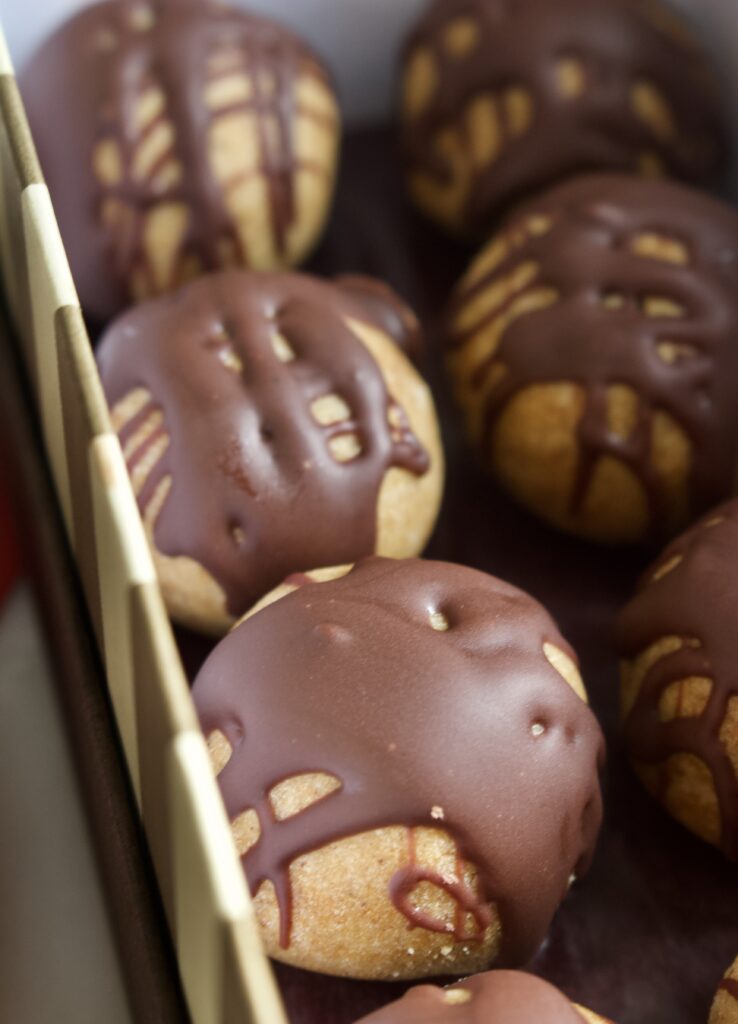
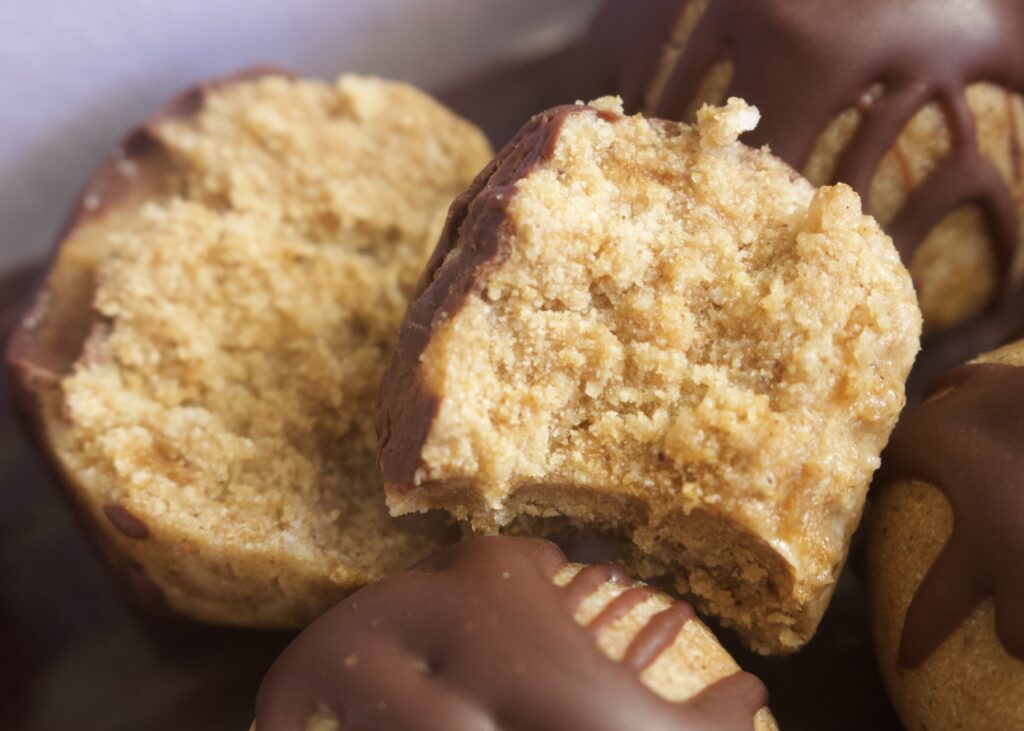
Coconut Flour Molasses Spice Cookie Bites (AIP-friendly, Nut-free)

December 3, 2021

I love a good no-bake treat, and these molasses spice cookie bites are the perfect Christmas inspired treat for the holidays. There is something super nostalgic about molasses Christmas cookies. For me, it brings me back to my childhood (aka the simpler times). While those molasses cookies may have been made with regular ole’wheat flour and sugar, in today’s recipe I chose to use coconut flour. I found last year this worked amazing in my dark chocolate truffle recipe. If you are not AIP and follow a lower-carb diet, be sure to go check out that recipe. That being said, today’s no-bake molasses cookie bites are one I made with all of my nut-free, autoimmune protocol peeps in mind. While I did make a chocolate drizzle for my truffles (which is not AIP), you can easily substitute a carob drizzle like the one found here. I also used pumpkin pie spice to simplify things, but a mixture of cinnamon and ginger would also do the trick for those on strict AIP. Overall, this is a tried and true recipe that’s super simple to put together and loved by all.

Coconut Flour Molasses Spice Cookie Bites

Ingredients

  • 3/4 cup coconut flour
  • 1/4 cup collagen peptides
  • 1/3 cup maple sugar
  • 1/4 cup molasses
  • 1/4 tsp sea salt
  • 1 1/2 tsp pumpkin pie spice
  • 1/2 cup non-hydrogenated palm shortening, melted

Chocolate Drizzle

  • 1/3 cup Lily’s chocolate chips
  • 1 tsp non-hydrogenated palm shortening

Process

  • In a mixing bowl sift together coconut flour, maple sugar, sea salt, pumpkin pie spice, and collagen.
  • Mix in melted shortening and molasses, beating until a dough has formed.
  • Form dough into like-size balls and place in the fridge to set.
  • If making a chocolate drizzle, slowly heat chocolate chips and palm shortening in a small pot over low heat on the stove until melted.

Notes

For AIP substitute a homemade chocolate drizzle made with carob powder and non-hydrogenated palm shortening or coconut oil – Also replace pumpkin pie spice with a mix of 3/4 tsp cinnamon and ginger powder.

Matthew 10:26 “So have no fear of them, for nothing is covered that will not be revealed, or hidden that will not be known.”

Filed Under: AIP, autoimmune friendly, autoimmune paleo, coconut flour, cookies, dairy free, Dessert, egg free, nut free, Recipes

Crustless Keto Cheesecake (Carnivore-friendly)

November 12, 2021

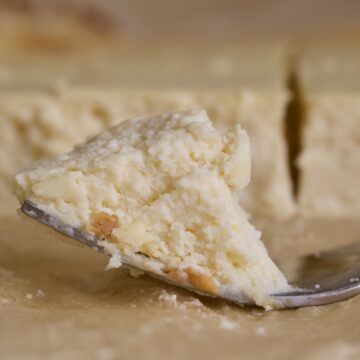
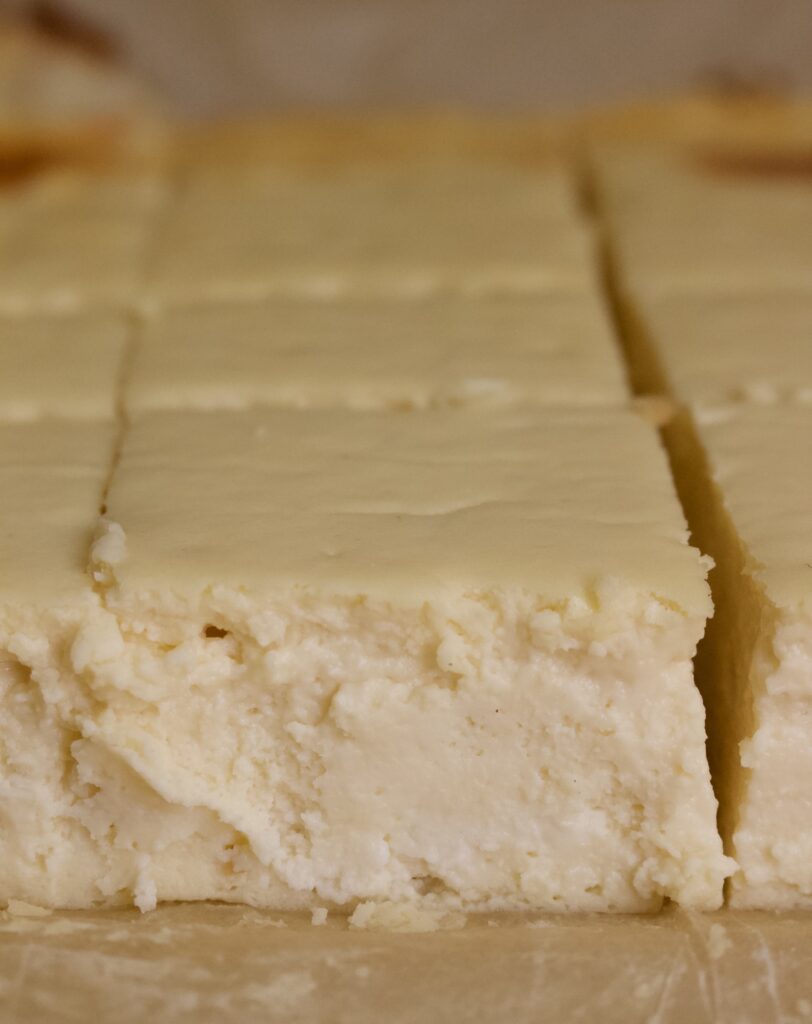
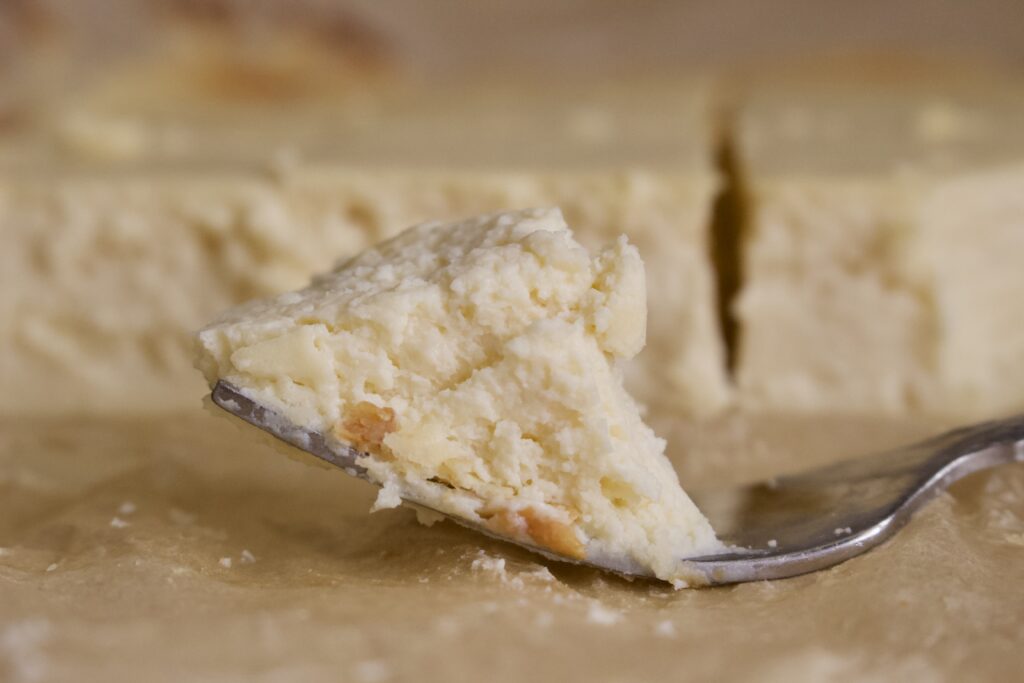
Holidays can be a difficult time for people on a healing diet. With so many different foods around, it can be hard to want to stick to what you know works and makes your body feel ok. Desserts are especially tricky because they can either be enjoyed in moderation when modified, or are super triggering for other folks. I respect both sides of the spectrum, but personally have always enjoyed baking during the holidays even if I cannot eat the product myself. I’ve loved cheesecake since I was a little girl, but making a paleo-friendly crust has always been interesting. To me there is just nothing like a good, classic graham cracker crust. Almond flour crusts can work in their place, but this time around I wanted to opt out of a crust all together to make the recipe easy both on time and preparation. If you have never tried a crustless cheesecake and are a bit skeptical, you are in for a real treat! Overall, this crustless cheesecake can easily be made keto with the use of powdered monk fruit or honey for an animal-based, carnivore-friendly version. I like to use powdered monk fruit because it yields a creamier texture and helps avoid a gritty filling. Maple syrup or maple sugar would also be great sweetener options if that is what you’re into. There is really no way to go wrong with this recipe except for maybe, not having all your ingredients at room temperature (chunky cheesecake anyone? yeah, don’t do that). Enjoy!

Ingredients

  • 3, 8 oz blocks of cream cheese
  • 1/4 cup heavy cream
  • 3 eggs
  • 1 tsp vanilla
  • 1/4 tsp sea salt
  • 3/4 cup powdered monk fruit (or) 1/2 cup honey

Process

  • In a mixture beat cream cheese and sweetener of choice until creamy.
  • Add in heavy cream, vanilla, and sea salt and mix until fully incorporated, then beat in eggs slowly one at a time until just combined.
  • Pour mixture into a parchment lined 8×8 square baking dish and bake at 325 for 25 minutes until just set.
  • Remove from the oven and allow to cool fully then transfer to the fridge to set over night.

Colossians 1:9 “For this reason, since the day we heard about you, we have not stopped praying for you. We continually ask God to fill you with the knowledge of his will through all the wisdom and understanding that the Spirit gives”

Filed Under: Dessert, grain free, ketogenic, low carb, nut free, paleo, Recipes, Sweets and Snacks Tagged With: animalbased, carnivore, coconut free, grain free, ketogenic, nut free, Paleo, primal

Paleo Fruit Sweetened Harvest Bread (Gluten-free)

October 28, 2021

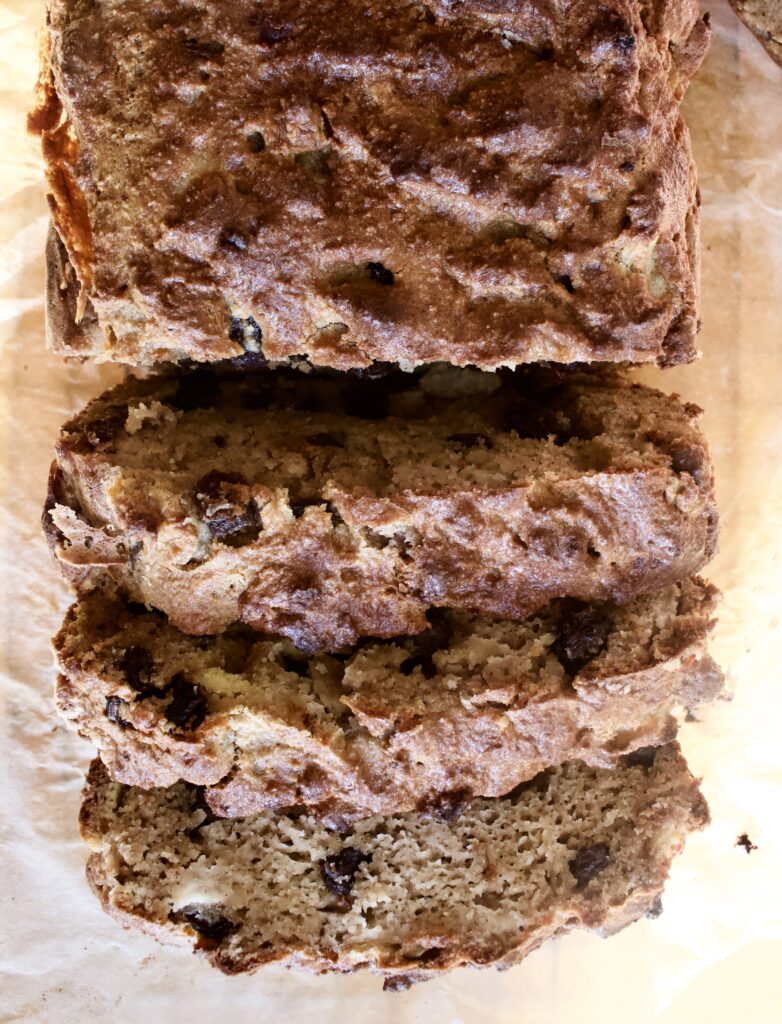
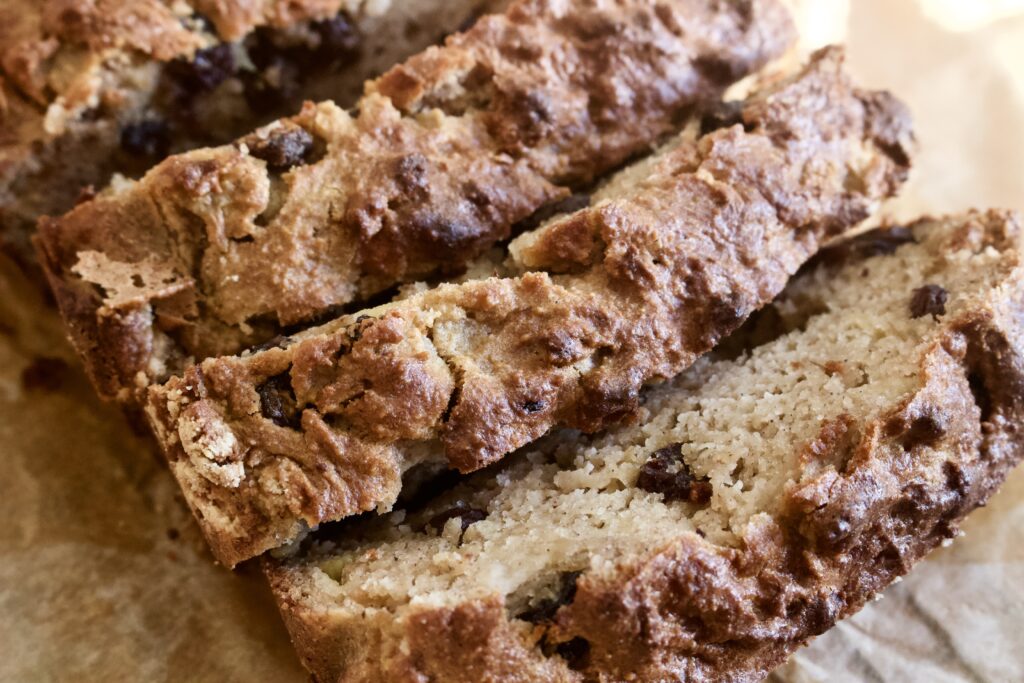
My youngest is almost a year old now and he continues to be a bottomless pit. I seriously run out of things to feed him. That being said, he loves my baked goods, especially muffins. However, I wanted to create a recipe that didn’t have any added sweeteners and relied solely on fruit instead. While I started off on a whim and wasn’t exactly sure how it’d turn out, to my delight it came out perfect. It bakes up to have a soft inside and a nice crusty golden outside. Overall, this Paleo fruit sweetened harvest bread bread tastes mildly sweet with cooked banana and apple, with little punches of sweetness thanks to the added raisins. Not only did my baby love the end result, my toddler and parents gobbled it up as well.

Paleo Fruit Sweetened Harvest Bread

Ingredients

  • 3 cups almond flour
  • 1 tsp cinnamon
  • 1/4 tsp sea salt
  • 1 tsp baking soda
  • 1 ripe banana
  • 2 medium apples
  • 1/2 cup water
  • 1/2 cup raisins
  • 3 eggs
  • 1/4 cup ghee, melted

Process

  • In a sauce pot add peeled and diced banana and apples and 1/2 cup of water, cooking until soft and can be easily mashed with a fork or potato masher. Remove from the pot and allow to cool. Should yield around 1 cup of mash.
  • In a large bowl whisk together almond flour, cinnamon, sea salt, and baking soda.
  • Add in fruit mash, eggs and melted ghee, mixing until fully combined, then fold in raisins.
  • Transfer batter to a parchment lined loaf pan and bake at 375 degrees for 35 minutes until the top is golden and crusty.
  • Remove from the oven and allow to cool before slicing and serving.

1 Peter 1:24-25 “For, “All people are like grass, and all their glory is like the flowers of the field; the grass withers and the flowers fall, but the word of the Lord endures forever.” And this is the word that was preached to you.”

Filed Under: Fruit sweetened, paleo, Recipes, Sweets and Snacks

Paleo Pumpkin Cream Cheese Muffins (Nut-free, Keto-friendly)

September 26, 2021

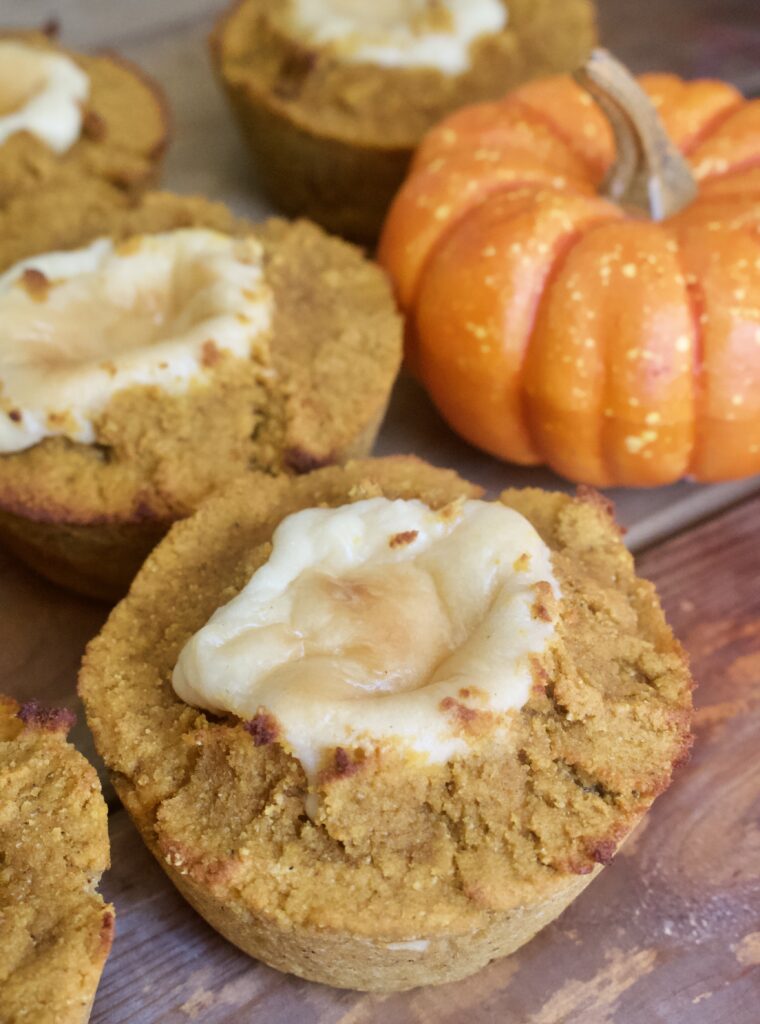
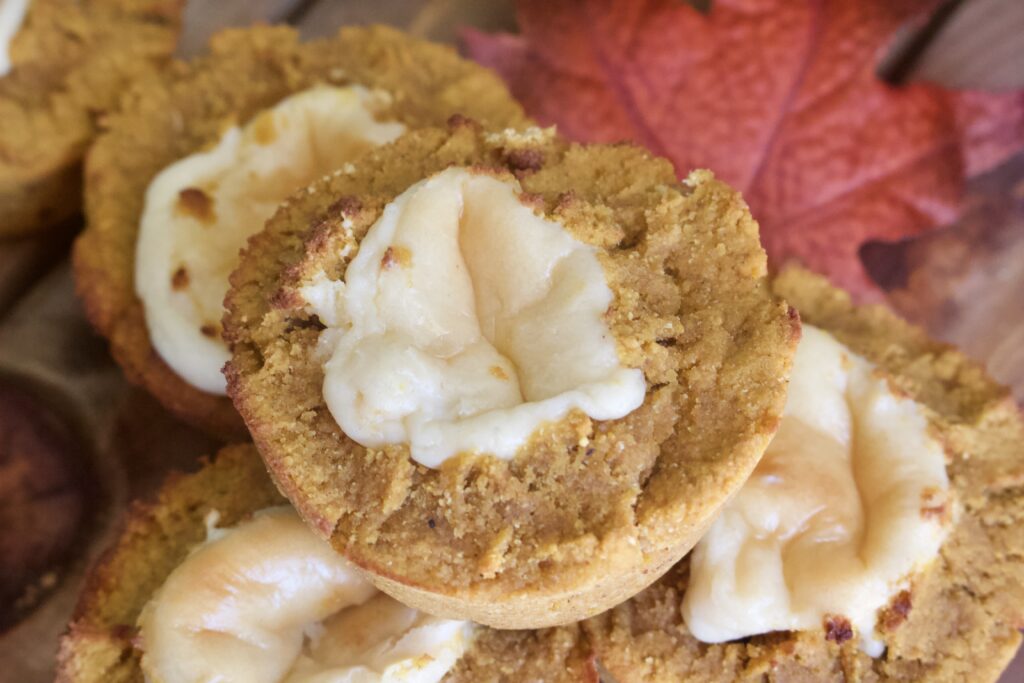
Last week I got sick for the first time in almost exactly a year, and I mean, really sick. It lasted about ten days and I am thankfully doing much better. Eating and drinking was very difficult, but as I slowly got better I started craving the pumpkin cream cheese from Starbucks that I had a few times as a kid. It was a super random craving, but I knew when I got better I wanted to make my own version and share it with ya’ll. I’ve made the recipe 3 times now in the past week and a half. Partially to perfect it, but also because each time I made them they would get devoured too quickly for me to actually photograph them. I’ve made them keto-friendly with granulated monk fruit, and lightly sweetened with maple syrup. Either version comes out great, just make sure to include the amount of water noted below if you choose to use the monk fruit. Overall, these muffins are everything you can expect from a traditional pumpkin bread. Soft, not dry, and lightly sweetened with a hint of pumpkin pie spice. Happy fall ya’ll! P.S. be sure to also check out my Keto Spiced Pumpkin Bread recipe.

Coconut Flour Pumpkin Cream Cheese Muffins

Ingredients

Yields 12 muffins

  • 1 1/4 cup coconut flour
  • 1/2 tsp sea salt
  • 1 tsp baking soda
  • 1 tbsp pumpkin pie spice
  • 1/4 cup avocado oil
  • 15 oz can pumpkin
  • 4 eggs
  • 1/2 cup maple syrup (or) granulated monk fruit
  • 1/3 cup water *only if using monk fruit
  • 8 oz cream cheese
  • 1/4 cup maple syrup (or) granulated monk fruit
  • 1 tsp vanilla extract

Process

  • In a large mixing bowl whisk together pumpkin, avocado oil, eggs, sweetener of choice, and water if using granulated monk fruit.
  • Mix in coconut flour, sea salt, pumpkin pie spice, and baking soda until a smooth batter has formed.
  • Scoop batter into 12 muffin tins and form a little hole in the middle of each for the cream cheese.
  • Mix together cream cheese, sweetener of choice, and vanilla extract until smooth, then spoon into the middle of each muffin.
  • Bake in a 350 degree preheated oven for 25 minutes until the cream cheese is just golden.
  • Allow to cool completely before removing from the muffin tin and serving.

Daniel 2:22 “He reveals deep and hidden things; he knows what lies in darkness, and light dwells with him.”

Filed Under: baked goods, coconut free, Dessert, ketogenic, nut free, paleo, pumpkin, Recipes

Sweet & Salty Watermelon Slushies (Ft. LMNT electrolytes – Low carb, AIP-friendly)

September 11, 2021

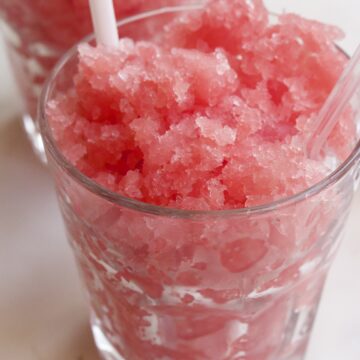
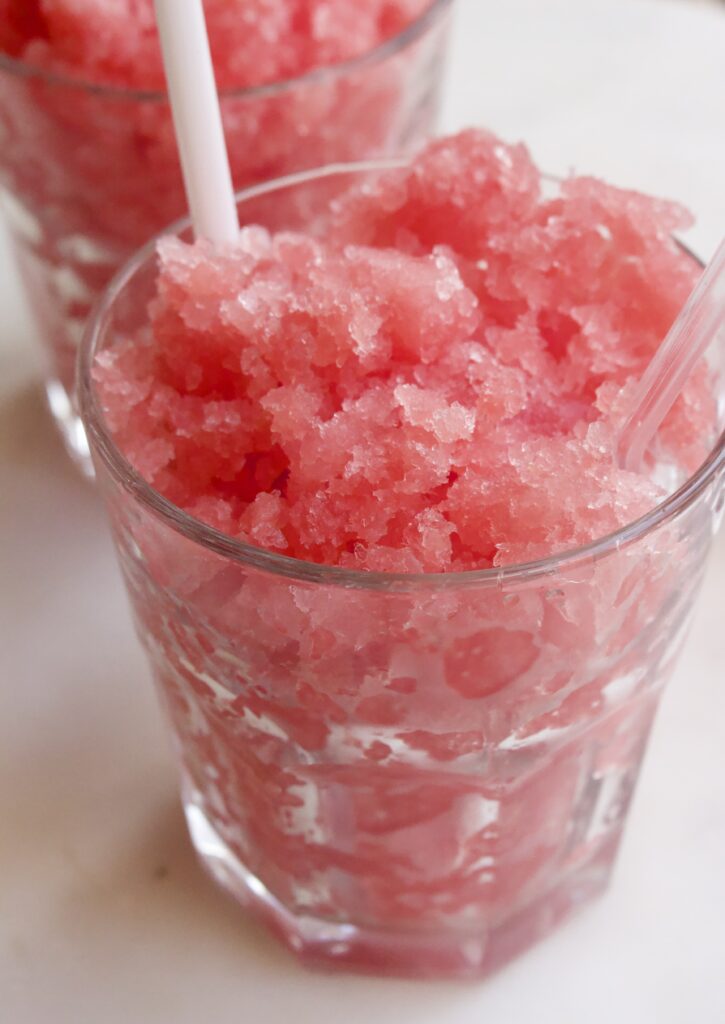
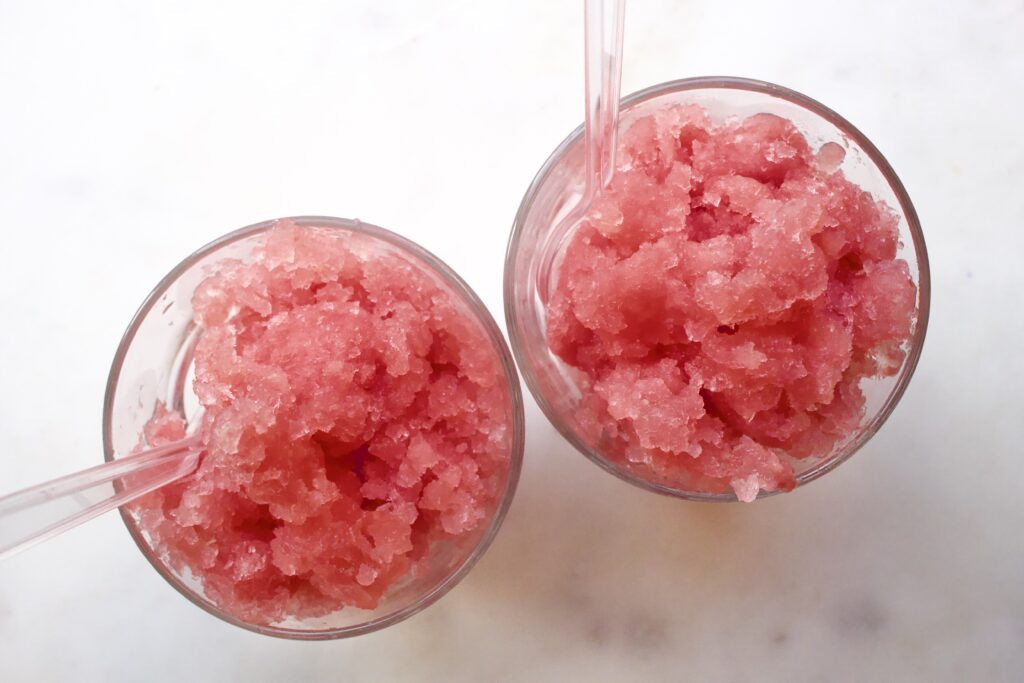
Anyone like a salty melon? Just me? Ok. Well, as a kid I never really had watermelon in my house as a staple fruit. The only time I’d have it was at friend’s houses or gatherings. I honestly wasn’t ever a huge fan of it, until I tried it with salt. To me, adding a bit of salt to watermelon or any melon, such as cantaloupe, really brings out the natural sweetness while also adding a bit of savoriness. I prefer this combo over what is otherwise a very sweet fruit (atleast to me). This summer we grew a variety of different watermelons in our no-till garden on the side of the house. We got over 10 watermelons in our little patch and I wanted to make something a little different than just serving it sliced. Hence, today’s recipe was born. While any lemon-lime flavored electrolyte powder would likely work, LMNT is our choice of electrolytes as it is low in carbs, there’s nothing artificial, it’s rich in the right kind of salt, and is just overall a solid product. While I have no tried it, I have a feeling the lemon flavored Ultima electrolyte powder will work similarly well. Not only does the LMNT add a nice citrus flavor, it add the perfect amount of salt to the sweetness of the slushy. I’ve never had a margarita, but I imagine it would taste something like this.
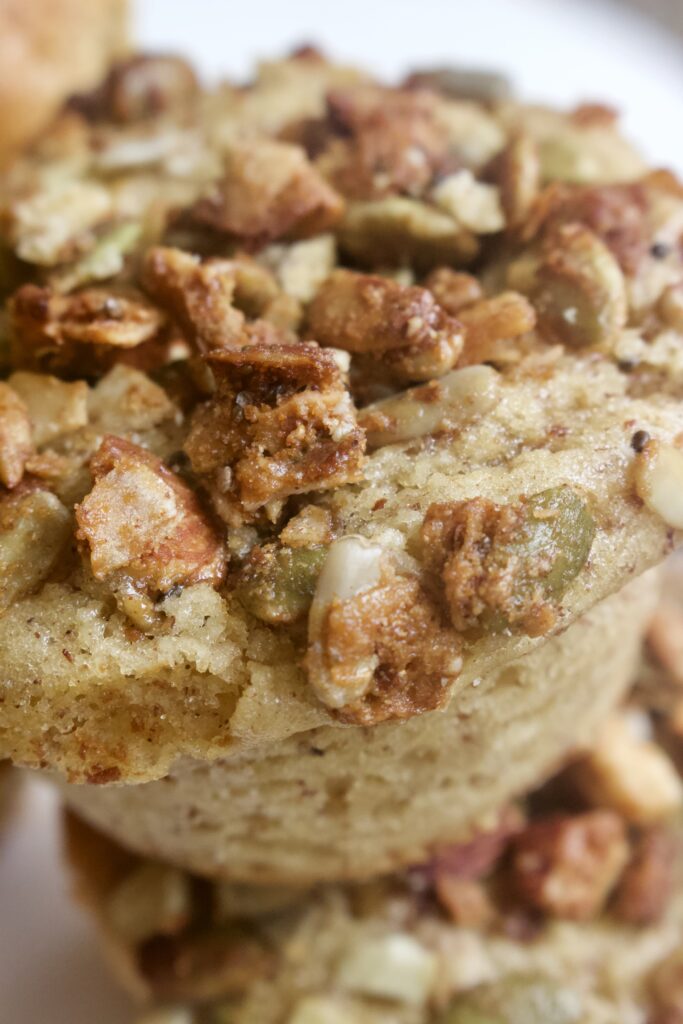
Sweet & Salty Watermelon Slushies

Ingredients

  • 1 ripe watermelon (4-6 cups blended)
  • 2, citrus LMNT packs

Process

  • Peel watermelon and cut into chunks, then blend the flesh until smooth with the LMNT.
  • Pour through a fine mesh sieve to catch any seeds, then pour the mixture into a parchment lined baking dish.
  • Place the dish in the freezer and allow to freezer over night.
  • Once completely frozen, remove the dish from the freezer and shave with a fork or place back in a blender and blend until crushed.
  • Portion into cups and enjoy with a spoon and straw.

Psalm 121:1-2 “I lift up my eyes to the mountains— where does my help come from? My help comes from the Lord, the Maker of heaven and earth.”

Filed Under: AIP, coconut free, Dessert, Fruit sweetened, low carb, no bake, nut free, paleo, Recipes, vegan

Paleo Coconut Flour Cinnamon Sugar Pumpkin Waffles (Nut-free, Low-Carb)

August 20, 2021

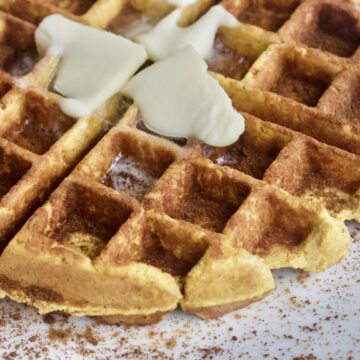
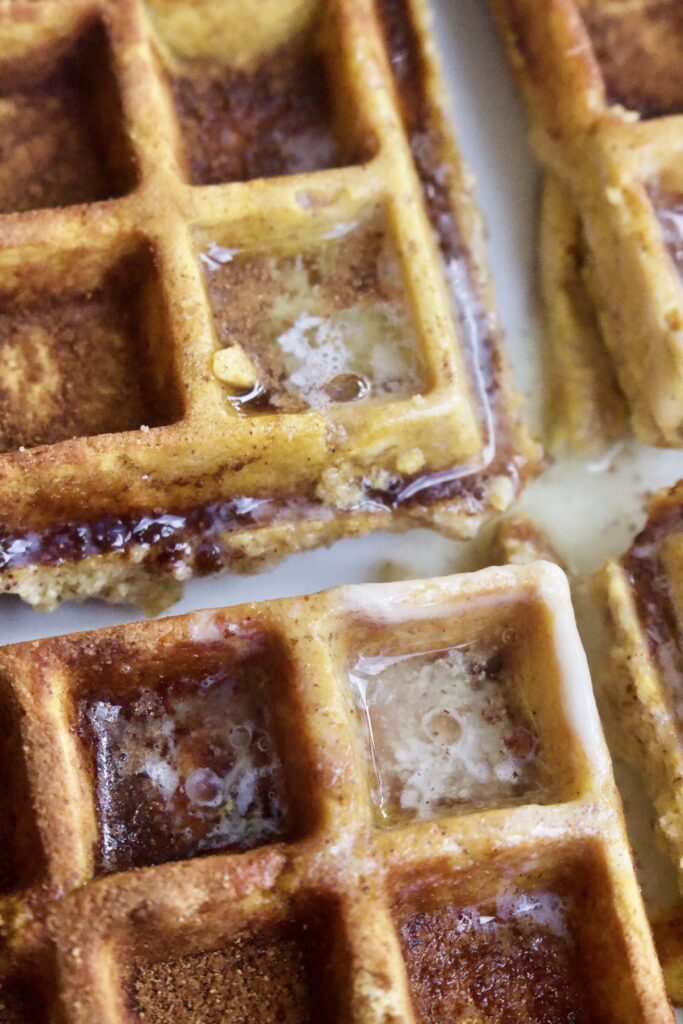
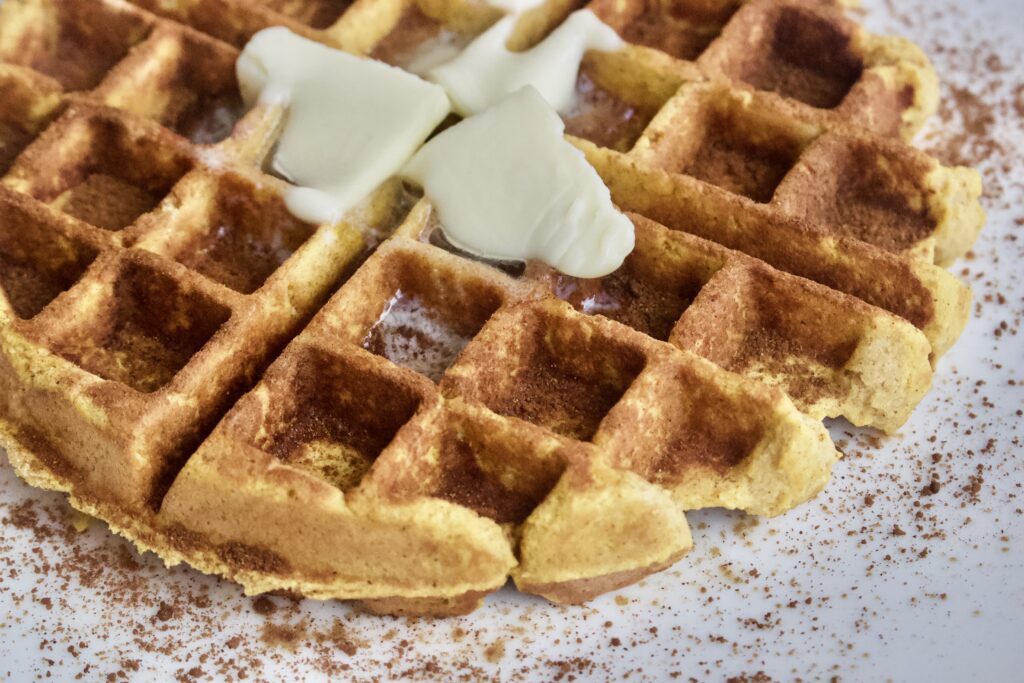
A recipe highlighting pumpkin and cinnamon in August may seem a little early in the year. However, I had a bunch of leftover canned pumpkin from last year and I wanted to be resourceful and make it anyways. So here we are. These waffles (or cookies, as my two year old calls them – any sweet treat or baked good is a “cookie”) are super easy to whip up and are a great variation to the classic waffle. Coconut-flour baked goods can be a little on the egg-y tasting side, but the pumpkin in today’s recipe helps cover this up nicely. We had ours smothered in butter and sprinkled with a cinnamon and sugar mixture, but they would be equally delicious spread with almond butter or maple syrup. Funny enough, my toddler insists on eating her waffles plain, with no “fixings.” I guess this goes to show how tasty they are on their own. My waffle ironed yielded 2 large circle waffles, or 8 triangle pieces and was perfect for serving 2-3 people depending on their appetite. If you want to make them lower in sugar, simply substitute granulated monk fruit for the coconut sugar. I like to use this brand here. As always, I prefer to get my baking ingredients from Thrive Market, as it is the easiest and most affordable way. Enjoy!
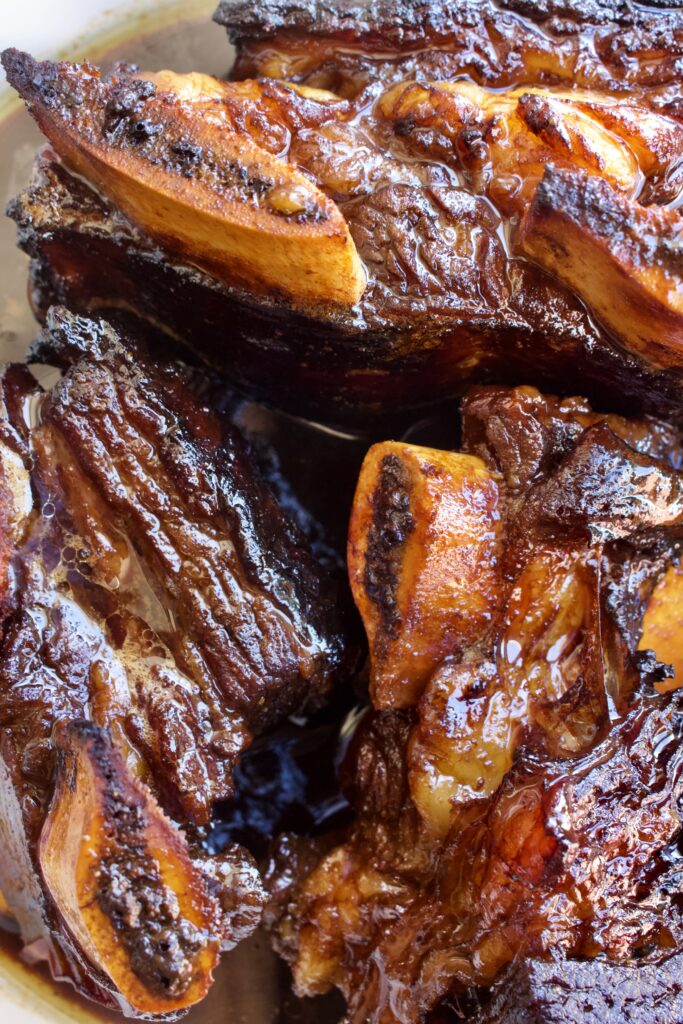
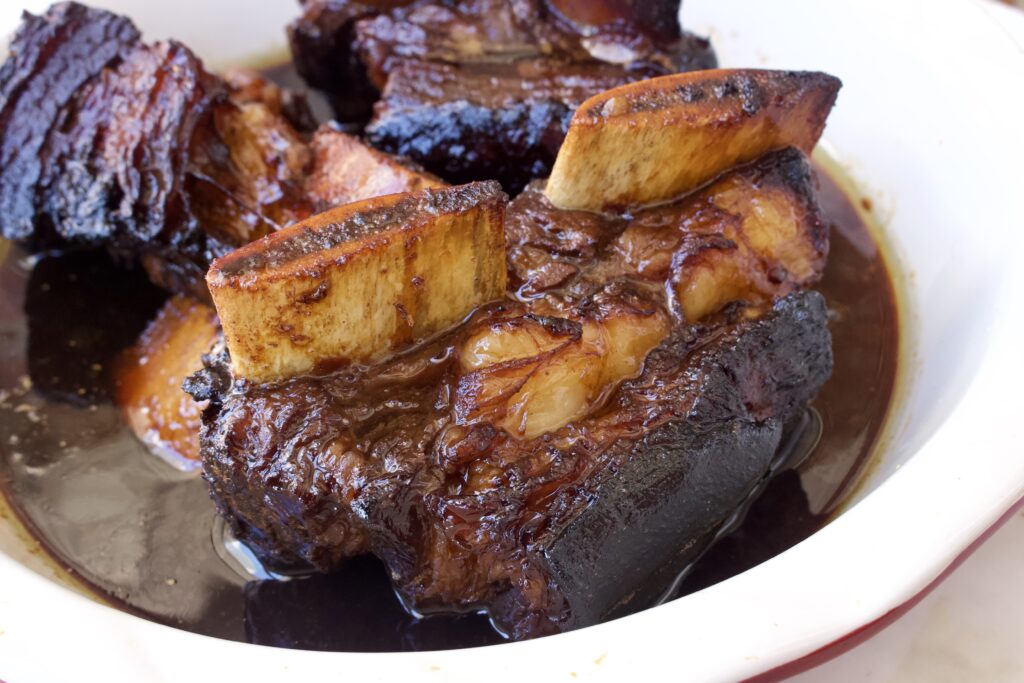
Coconut Flour Cinnamon Sugar Pumpkin Waffles

Waffles

  • 1/2 cup coconut flour
  • 1/2 cup canned pumpkin
  • 4 eggs
  • 1 tsp cinnamon
  • 1/4 cup avocado oil 
  • 1 tbsp coconut sugar
  • Pinch of salt 

Topping

  • 2 tbsp coconut sugar
  • 1 tsp cinnamon

Process

  • In a large bowl whisk together coconut flour, cinnamon, salt, and coconut sugar, then add in eggs, pumpkin, and avocado oil, mixing until a smooth batter has formed.
  • Scoop batter into a heated and greased waffle iron, cooking as as directed until golden.
  • Remove the cooked waffles from the iron and sprinkle with cinnamon sugar topping, butter, or ghee and serve.

Psalm 16:8 “I keep my eyes always on the Lord. With him at my right hand, I will not be shaken.”

Filed Under: coconut flour, gluten free, grain free, ketogenic, low carb, nut free, paleo, Recipes

Chronic Lyme & Carnivore: A Day in the Life

August 1, 2021

I recently announced on Instagram that I had started eating “carnivore.” Many of you wanted to hear more so here I am. There’s a lot I could say about the why’s behind carnivore, but I’ll leave that to Dr. Paul Saladino for now. In a nut shell, carnivore centers around eating meats derived from animals (muscle meat, organs, eggs, dairy products, & some seafood). Depending on how “hardcore” you are, non-toxic plant foods such as avocado, berries, olives, and even high quality honey are included. Plant derived foods (yes, even AIP/Paleo/Keto friendly veggies) are omitted for the simple reason that they are not necessary for optimal human health. I know, it sounds crazy at first glance. However, with my limited, but growing knowledge of this approach to eating, as well as personal experience and those of others, I am finding it to be quite true. For more information and to dispellany doubts you may have, be sure to check out Dr. Paul Saladino’s podcast and website here. In the meantime, back to my experience.

My Hangup

I’ve always been intrigued by the carnivore lifestyle. However, after many years of elimination diets necessary during specific periods of my healing journey, the last thing I wanted to do was decrease my diet’s diversity again. During both of my pregnancies I was able to drastically increase the variety in my diet thanks to a lowered immune response to things I’d previously react to. Some of these include but are not limited to…cruciferous veggies, avocado, vinegar, chocolate, seafood, berries, dairy products, nuts/seeds, etc… It doesn’t seem like a lot to most, but it was a huge accomplishment for me. Overall, I feared carnivore would make me feel restricted and while healthy for my body, would not healthy for my mental health. Despite still having these doubts, my husband and I decided to plunge in head first back at the beginning of June, 2021.

My Why

Like I said, carnivore has always interested me. While plants/plant derived foods have come and gone throughout my healing journey (Paleo to the AIP, SIBO elimination diet to Low-FODMAP & Ketogenic), one thing that’s always remained is meats and fish. Even at my sickest with chronic Lyme and co-infections, these foods remained in my healing diet. At one point I only could handle eating local fish, organ meat, and some beef products. These foods kept me alive , which is why I’ve always had a pull toward carnivore.

I also chose carnivore to learn more about my body. It’s easy to get in a routine of what you’re eating without much thought if something is adversely affecting you. For so many years I simply strove to not allergically react to foods. Yet with my MCAS somewhat under control I decided it was time to change my mindset a bit and dig a little deeper. I may not be getting anaphylaxis from a given food, but is it putting a damper on my energy in any way? Is it causing unnecessary GI symptoms? Is my mood as stable as it could be? Are my hormones running optimally? Am I recovering well from my workouts? Is my sleep suffering in any way? Is there any way I can increase my health and help my body function optimally? I wanted to find the answers to these questions and knew “going carnivore” would help me do just that. 

My Struggle

I didn’t want carnivore to mess with my mental health. It sounds silly, but despite the years of chronic illness I had managed to keep a healthy relationship with food and didn’t want restricting my diet to ruin this. I also didn’t want to give up my keto-friendly chocolate. It was a struggle at first but I really pushed myself. I ate, and if I was still hungry, I ate more. I snacked when I wanted and found after the first couple of weeks that my appetite regulated greatly. When I was dying a little inside for some coconut butter fat bombs or Lily’s dark chocolate, I’d allow myself the indulgence. Yet it wasn’t long before I didn’t even feel the need to eat anything other than animal products and low-toxic plant foods. The funny thing is, I most certainly don’t miss vegetables.

Another thing I struggled a bit with was bowel movements. While I wasn’t necessarily constipated, for the first couple weeks I kept skipping days where I went the bathroom. Despite this I rarely was bloated or uncomfortable and after a couple weeks things regulated themself. Even in this, it seems the quantity in my bowel movements have decreased. Without all the excess and indigestible plant materials, there’e just seems to be less waste to go around.

My Grocery List

We like to source most all of our meat from local farmers. It really is the healthiest and most affordable in the long run. Going carnivore and having others in the house eat primarily this way has also opened up some of our budget to prioritize high quality animal products. That being said, while we purchase these products as much as we can possibly afford, it’s not always financially possible. I don’t believe this is a reason not to give carnivore a shot. Just keep in mind processed meats and dairy products may not be tolerated as well by your body as their minimally processed, probiotic rich, local, and raw equivalents.  Another note to make is that my husband and I still do consume homemade cold brew coffee on a regular basis. This is not considered “carnivore,” mainly due to the mold that coffee can grow, but I will not get in to that now. We choose to include low-toxic plant items such as avocado into our weekly routine for more diversity, while others strictly live off of eggs and organ meat.

Monthly menu items:

  • Beef
  • Pork 
  • Chicken
  • Fish (canned/fresh)
  • Pork rinds
  • Organic hot dogs
  • Cheese (in many forms)
  • Yogurt, cottage cheese, cream cheese, sour cream, etc…
  • Heavy cream
  • Olives 
  • Avocados
  • Berries (occasionally)
  • Cucumber (home grown, no seeds/skin)
  • Honey (for husbands coffee) 
  • Jerky (for husband) 
  • Avocado or coconut-oil based mayo
  • Seasoning (minimally – usually green herbs or garlic & onion) 
  • Butter
  • Lard
  • Tallow

My Thoughts 

Is carnivore the magic cure? Am I healed of all my lingering health issues from chronic Lyme and resulting illnesses? The short answer is no, but I definitely have seen some differences in my overall health that I’m unwilling to passively give up. GI issues have always been central in my health problems and continue to be to this day. I struggle with persistent yeast issues, possibly due to mold exposure (more on that in a later post), and nothing ever stays good and happy “forever.” While carnivore hasn’t completely eliminated all my gut issues it has gotten rid of a lot of additional ones caused by food and it is helping me pin point underlying issues in my body that may potentially be contributing to the imbalances I still face in my GIT. 

The biggest area I’ve seen carnivore help is my energy source. It just feels like good, clean energy. I don’t know how else to explain it. It hasn’t made me superwoman by any means. I still get fatigued and tired, but my energy throughout the day stays stable and my performance in workouts has increased. Not only that, but I don’t feel constantly hungry. I can go hours without eating and not even mean too, simply because I’m satiated and full on nutrient dense calories that don’t mess with my blood sugar or signal my brain that I’m hungry when I’m really not.

Overall, carnivore hasn’t been the answer to all my questions. But it is helping me learn more about my body, and to me that is priceless. It is pushing me to explore new possibilities for my continued GI issues, headaches, infections, allergies, etc…and while it hasn’t gotten rid of these issues, it has allowed my body to perform as optimal as it can under the conditions that it has been given. On top of that, it’s made cooking a cleanup for a family of six way less time consuming. So hey, what’s not to love? Be sure to watch my new day-in-the-life video for a sneak peak of how unglamorous and fancy yet satisfying my carnivore life is and comment below to have your question answered in an upcoming Q&A video!

~~~~~~

~~~~~

Psalm 119:114 “You are my refuge and my shield; I have put my hope in your word.”

Filed Under: autoimmune disease, carnivore, chronic illness, chronic lyme, chronic lyme disease, coffee, Food, Food and The Human Body, Gabriella's Updates, organ meat, seafood, Thrive Market

Paleo Maple Cinnamon Crunch Muffins ft. Thrive Market Paleo Pancake & Waffle Mix

July 18, 2021

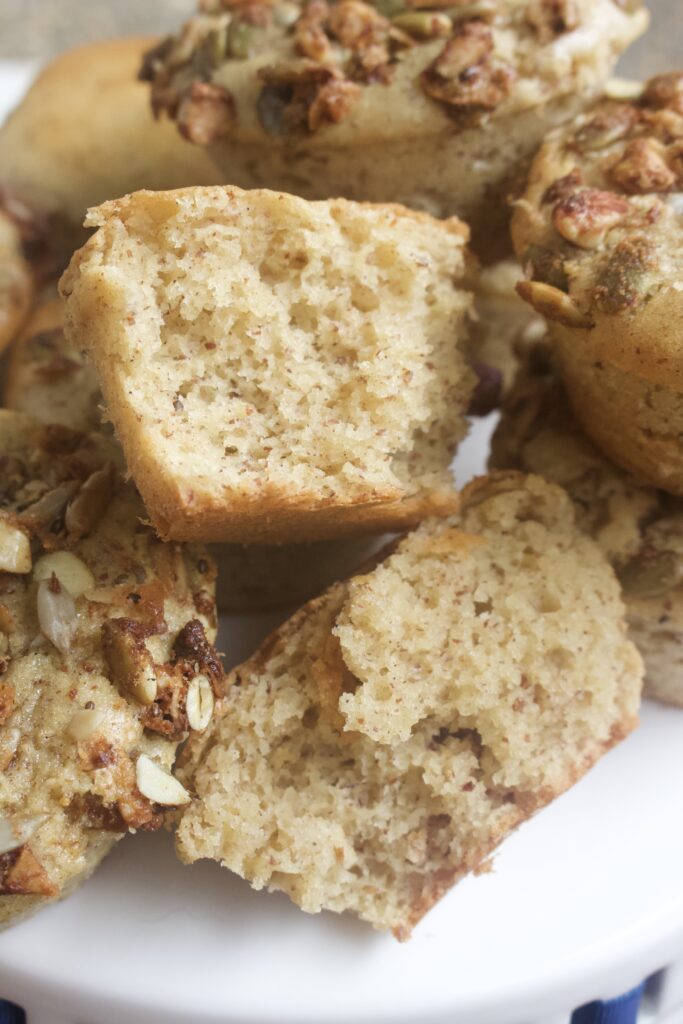
As a chef and purest I rarely ever use pre-mixed or pre-packaged foods for cooking. To me, that’s not real cooking (or baking), and most of the time these mixes are filled with unhealthy preservatives or other gross ingredients. An exception to this would be taco night, where I’ll happily use pre-made mixes from Thrive Market to season our meat. Another exception would be today’s recipe, which just so happens to feature another 100% healthy baking mix from Thrive. Somehow I’ve managed to collect a variety of Paleo pancake and waffle mixes over the year and I wanted to do something other than, you know, pancakes or waffles. I also had also previously ordered a few bags of grain-free granola from Target, as Fage 5% fat yogurt (aka thick, creamy, and amazing) with Paleo “cereal” is a regular breakfast for the kiddos. Therefore, with both of these items on hand and a weirdly quiet Saturday morning (somehow all the babies actually slept past 6:30), I decided to whip up a quick batch of these maple cinnamon crunch muffins. To my delight, the results were fantastic. Not only were they super quick to make, they were fluffy, with the perfect amount of sweetness, crunch, and moistness. Allie had hers cut in half and served with a slice of Vital Farm’s sea salt butter, while my husband simply gobbled them up on their own. Overall, if you’re a busy person that strives to eat healthy but loves a good cooking hack every now and then, today’s recipe is for you. Enjoy its simplicity!

Paleo Maple Cinnamon Crunch Muffins

Ingredients

  • 1 bag Thrive Market Paleo Pancake & Waffle Mix
  • 1 bag Nature’s Path Grain-free Maple Almond Granola
  • 1/4 cup coconut oil, melted
  • 4 eggs
  • 1/3 cup maple syrup

Process

  • In a large bowl, whisk together pancake and waffle mix, coconut oil, eggs, and maple syrup until a smooth batter has formed.
  • Scoop batter into prepared muffin tin and sprinkle with grain-free granola and bake in a 350 degree oven for 15-20 minutes until golden on top.
  • Remove from the oven and allow to cool before transferring muffins to a cooling rack.

Romans 1:16 “For I am not ashamed of the gospel, because it is the power of God that brings salvation to everyone who believes…”

Filed Under: baked goods, breakfast, coconut flour, dairy free, grain free, paleo, Recipes, Thrive Market

4 Ingredient – Autoimmune Protocol Friendly Mango Lime Popsicles (Dairy-free)

July 11, 2021

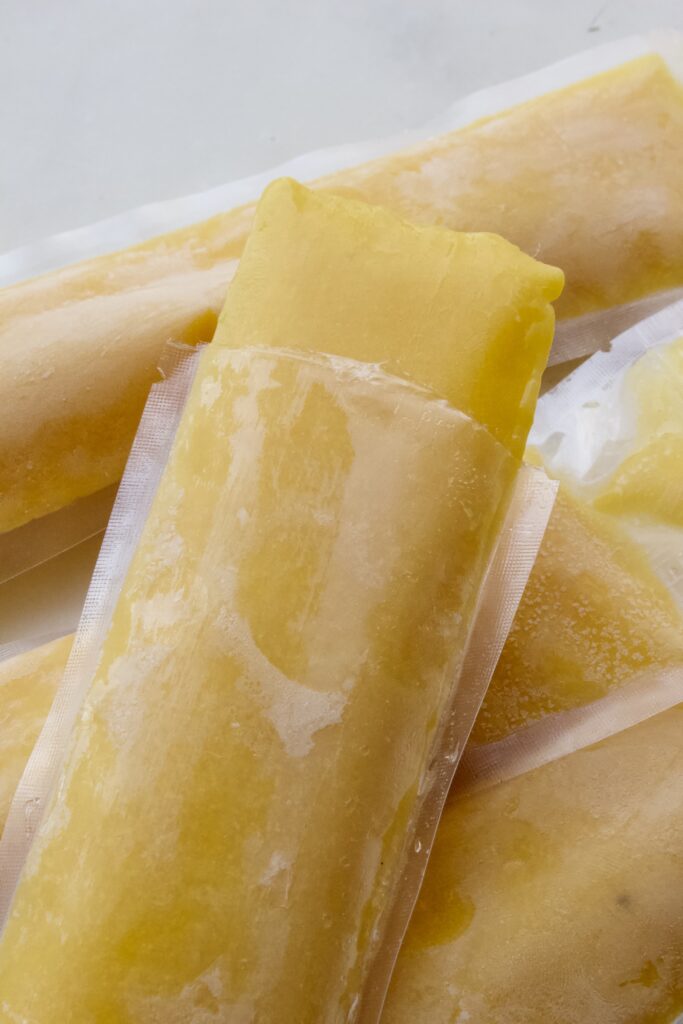
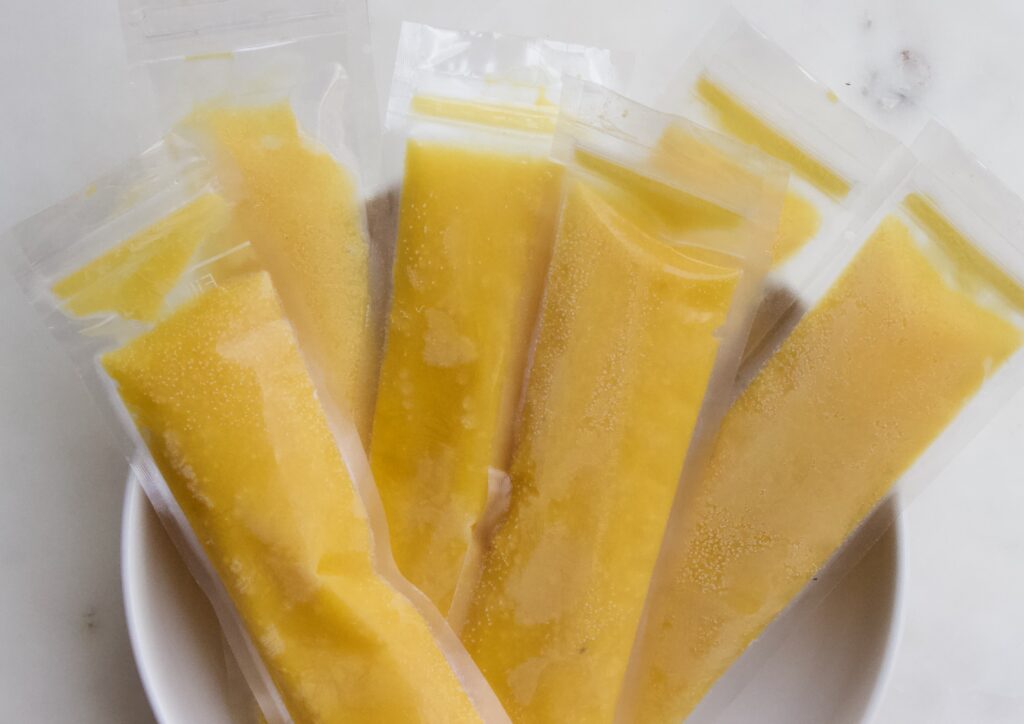
Popsicles have become a staple in our household this summer. After receiving a few fruit-sweetened packets of yummy popsicles from Thrive Market as free gifts, the kids were all hooked. However, the freebies quickly disappeared and I decided it was the perfect opportunity to make some homemade pops. The idea of homemade pops became so popular my oldest decided she wanted to create a popsicle business called “Mia’s Mexi-pops” where we sell Mexican-inspired popsicles (paletas). With the logo and menu made, we are in the recipe-development phase of the “business,” which is where today’s recipe comes from. So far we have made yogurt blueberry, sour limemade, and today’s recipe, mango lime. If you’ve had my mango sorbet recipe before, today’s popsicles are very similar. The only difference is that this recipe contains a bit of coconut milk to make them extra creamy. That being said, while I chose to add a bit of honey for extra sweetness, this is completely optional. The key, however, is to wait until your mangos are super ripe and sweet. This helps make sure the mixture can be blended very smooth, is naturally sweet, and the texture is at optimal (no one likes a sour, crunchy “pop”, just saying).

Autoimmune Protocol Paleo Mango Lime Popsicles

Ingredients

  • 2 ripe mangos
  • 1/4 cup fresh lime juice
  • Pinch of salt
  • 5.4 oz can full-fat coconut milk
  • 1-2 tbsp raw honey (optional)

Process

  • Peel mangos and place in a blender or food processor.
  • Add remaining ingredients and blend until smooth.
  • Pour into popsicle molds or bags and freeze until firm.

Jeremiah 32:17 “Ah, Sovereign Lord, you have made the heavens and the earth by your great power and outstretched arm. Nothing is too hard for you.”

Filed Under: AIP, autoimmune, autoimmune friendly, autoimmune paleo, dairy free, Dessert, fruit, Fruit sweetened, ice cream, no bake, nut free, Recipes, Sweets and Snacks

Keto Blueberry Loaf Bread (Low-carb, Nut-free)

June 29, 2021

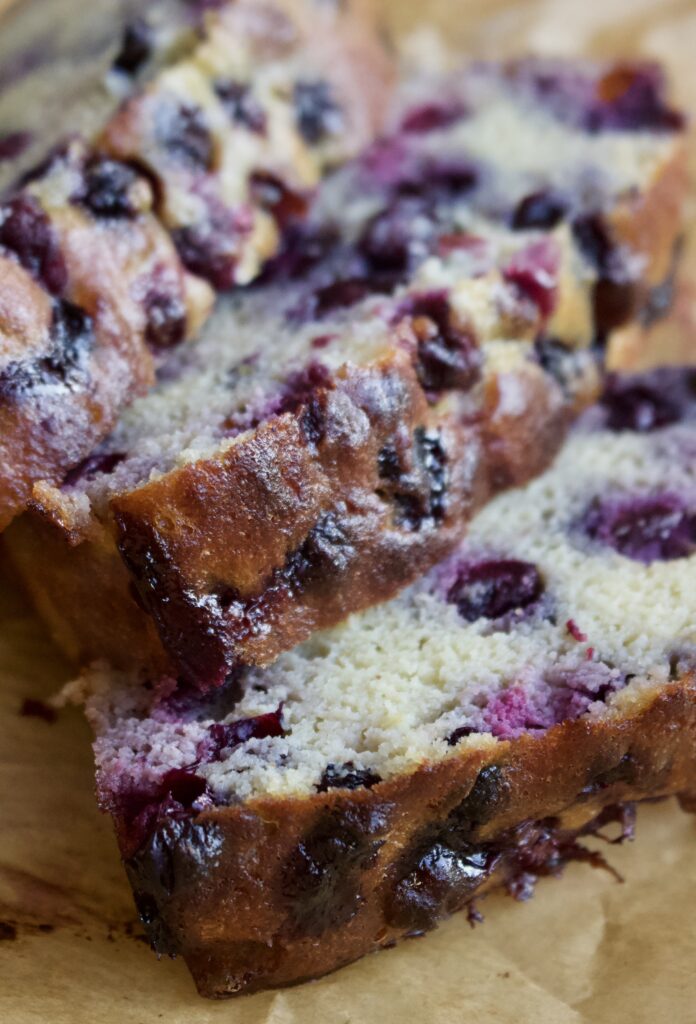
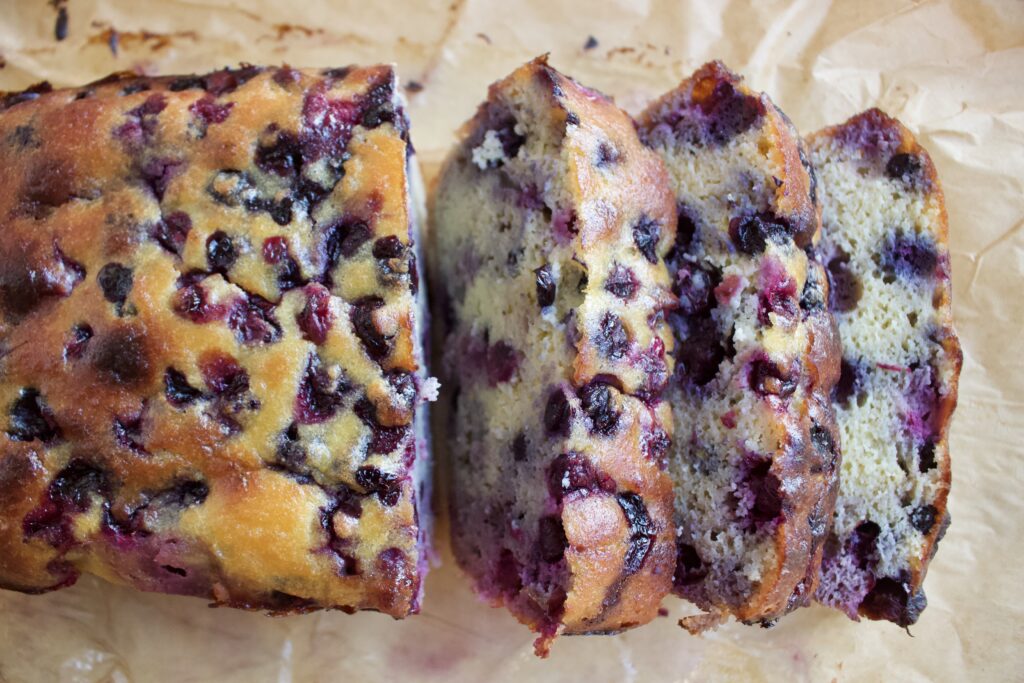
My family and I went blueberry picking for the first time together this year at Kelley’s Berry Farm. If you’re ever in the middle TN area in July, you definitely should check it out. I grew up picking blueberries at a local farm and Kelley’s definitely brought me back to the good’ole days. We ended up with a few big buckets of blueberries and I knew that I had to make something out of them to share with ya’ll. Blueberry muffins are definitely my favorite, but this loaf bread comes to a very close second. It’s everything you’d want in a great quick bread recipe…It’s moist (yeah – all you proper food description police, I said it), airy, and has just the right amount of lemon flavor to highlight the blueberries perfectly. While I made it in a loaf pan, you certainly could make it into muffins with an adjustment to the baking time. You could also bake it in a 8×8 brownie pan or a 9 inch circle cake pan and serve it with freshly whipped coconut cream or heavy cream. That being said, I would definitely use fresh berries and not frozen, as they tend to hold more moisture that could mess with the texture of your finished product. Overall, this blueberry loaf bread is a tasty snack or treat that everyone will love. Enjoy!

Keto Blueberry Loaf Bread

Ingredients

  • 2/3 cup coconut flour
  • 1/2 tsp baking soda 
  • 1/4 tsp sea salt
  • 1/2 cup monk fruit
  • 8 eggs
  • Juice & zest of 1 lemon
  • 1 tsp vanilla extract
  • 1/2 cup avocado oil 
  • 1/3 cup water
  • 1 1/2 cup fresh blueberries

Process

  • In a large bowl whisk together eggs, monk fruit, lemon zest and juice, vanilla, oil, and water until smooth.
  • Add in dry ingredients and stir until combined.
  • Fold in 1 cup of blueberries and then transfer the batter into a parchment lined loaf pan.
  • Spread the remaining 1/2 cup of blueberries on top of the batter and bake for 50-55 minutes at 375 degrees.
  • Remove the pan from the oven and allow to cool fully before removing from the pan and slicing.

Psalm 138:8 “The Lord will vindicate me; your love, Lord, endures forever— do not abandon the works of your hands.”

Filed Under: baked goods, fruit, low carb, paleo, Recipes

Autoimmune Protocol Paleo Braised Kalbi Short Ribs

June 15, 2021

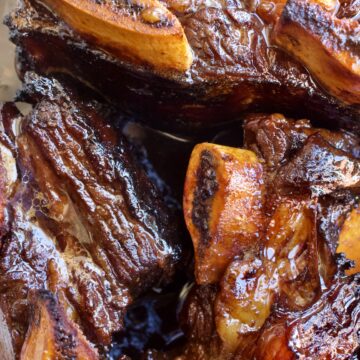
With our freezer newly stocked with a local half cow I decided it was time to share more meat recipes with ya’ll. Aside from ribeye (and maybe a good, fatty smoked brisket), short ribs are easily one of my favorite cuts of beef. Braising the ribs in a coconut-amino based marinade infuses them with a perfect savory flavor and makes them super tender and succulent. What more could you want from a rib? While the addition of honey is not completely necessary, it aids in the ribs developing a nice golden color around the edges as they roast. On another note, not everyone has tigernut oil stocked in their pantry, I get it. This can be used in AIP-friendly cooking in place of nut and seed based oils. I’ve found tigernut oil gives dishes a similar nutty flavor found in sesame oil, which is why you will find it in today’s recipe. However, if you are not in the elimination phase of the Autoimmune Protocol, feel free to sub it out using sesame oil or omit all together if necessary. It definitely won’t make or break the recipe as a whole. You can also omit the salt and use gluten-free tamari in place of the coconut aminos and any plain, homemade bone broth you may have on hand. For an extra authentic dish, you can also substitute out the apple cider vinegar for rice vinegar. The choice is yours, so enjoy. These ribs are great garnished with thinly sliced scallion and a side of broccoli, cauliflower rice, or my Yellow Lebanese Rice recipe.

Kalbi Marinated Short Ribs

Ingredients

  • 5 lb beef short ribs 
  • 16.9 oz carton of Thrive Market’s beef broth
  • 1 tbsp garlic powder
  • 1 tbsp ground ginger
  • 1 tbsp fish sauce
  • 1 tbsp tigernut oil 
  • 1/2 cup apple cider vinegar
  • 2 cups coconut aminos
  • 1/2 cup honey
  • 1 tsp sea salt

Process

  • In a large bowl whisk together broth, garlic, ginger, fish sauce, tigernut oil, apple cider vinegar, coconut aminos, and sea salt.
  • Place short ribs in a large plastic bag and pour in the marinade. Allow to marinade over night for best results.
  • To cook, place the beef and marinade in a large baking dish and cook for 1 hour in a 375 degree oven, then turn down the heat to 275 and cook another 1-2 hours.

Notes: Omit tigernut oil or replace with sesame oil. Omit the salt and replace coconut aminos with gluten-free tamari.

Philippians 3:20 “But our citizenship is in heaven. And we eagerly await a Savior from there, the Lord Jesus Christ,”

Filed Under: AIP, autoimmune, autoimmune paleo, Food, meat, paleo, Protein Dishes, Recipes

Paleo Chocolate Chip Cookie Ice Cream Sandwiches (Dairy-free, Nut-free)

June 8, 2021

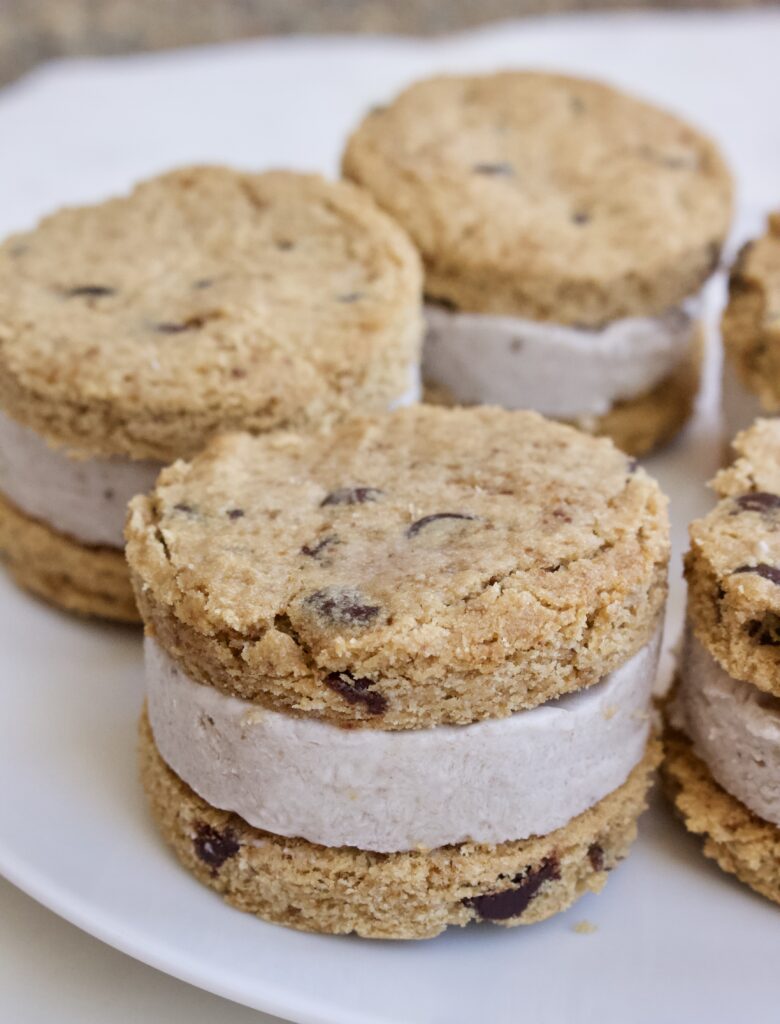
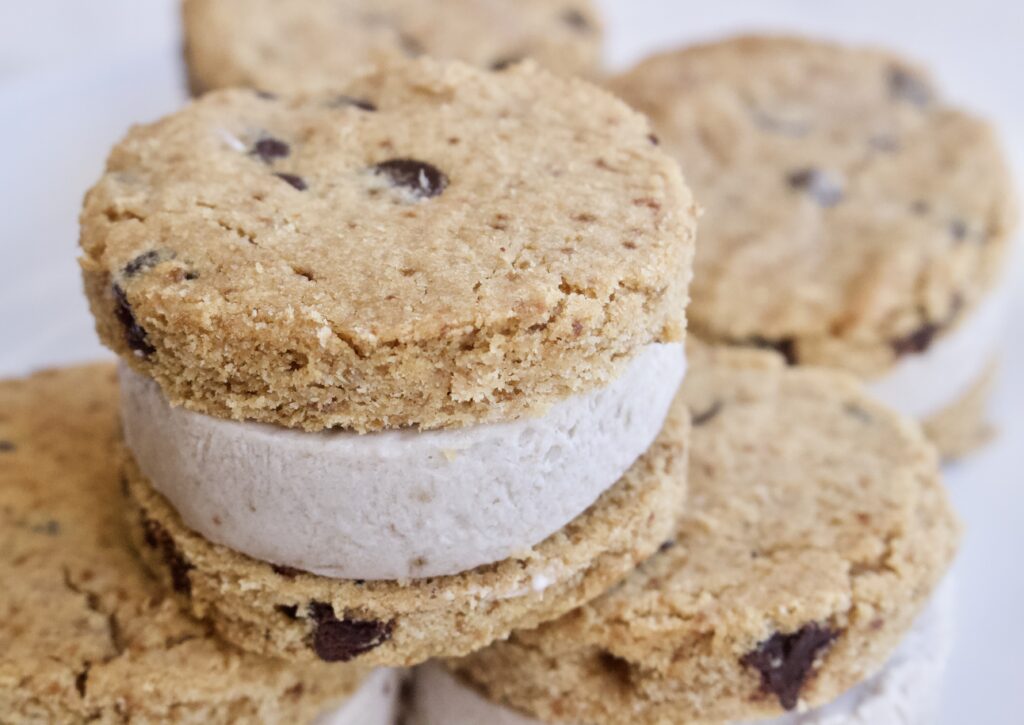
The funny thing about having a recipe blog is that somedays figuring out what to write in the body of your post can be the most difficult. The irony of this is that, most of the time, when someone is searching the web for a recipe, the body of a blog post is the last thing they read. Maybe it’s just me, but rarely will I sit and take the time to read what the author and chef has to say about the recipe. And this folks, is where I am today. I truly don’t have much to write about this recipe except for, ice cream sandwiches….do I REALLY need to say more? I chose to go with a simple, unsweetened filling made with banana and coconut. However, the choice is truly up to you on what you fill the cookies with. You can even omit the ice cream and simply make killer chocolate chip cookies. The choice is yours, and I promise I won’t go off on any more “random” rambling. Enjoy.

Paleo Chocolate Chip Cookie Ice Cream Sandwiches (Dairy-free, Nut-free)

Cookie Ingredients

  • 140 g cassava flour
  • 1/4 tsp sea salt
  • 1/2 tsp baking soda
  • 1/3 cup coconut sugar
  • 1/3 cup granulated monk fruit
  • 1 tsp vanilla extract
  • 1 eggs
  • 1/2 cup non-hydrogenated palm shortening
  • 3/4 cup Lily’s chocolate chips

Filling Ingredients

  • 3 very ripe bananas
  • 1 cup full-fat coconut cream
  • 1/2 tsp vanilla extract 
  • 1/8th tsp sea salt

Process

  • To make the cookies, a large mixing bowl, beat together palm shortening, vanilla, monk fruit, and coconut sugar until smooth, then add in eggs one at a time until just combined. 
  • Sift together dry ingredients and then add to the mixing bowl, beating on low until combined, then fold in the chocolate chips. 
  • Use a cookie scoop to transfer the dough to a parchment lined baking sheet, then use the back of a spatula or spoon to flatten the dough 1/4 inch thick. 
  • Repeat with remaining dough and bake at 350 degrees for 10 minutes. 
  • Allow the cookies to cool completely before sandwiching with ice cream. 
  • To make the ice cream, combine all of the ingredients in a blender or food processor until smooth. 
  • Place mixture into an ice cream maker and churn until thickened, then sandwich between two cookies and serve immediately. 
  • If not using an ice cream maker, pour the mixture into a parchment lined baking dish and freeze until firm. 
  • Once ready to serve, remove the baking dish from the freezer and allow the ice cream to thaw slightly, then use a round cookie cutter to portion out the ice cream and sandwich each round between two cookies. 

Notes – Simply use store-bought ice cream or another one of my ice cream recipes found here.

Habakkuk 3:19 “The Sovereign Lord is my strength; he makes my feet like the feet of a deer, he enables me to tread on the heights. For the director of music. On my stringed instruments.”

Filed Under: baked goods, cassava flour, coconut free, cookies, dairy free, Dessert, Fruit sweetened, gluten free, grain free, nut free, paleo, Recipes

Paleo AIP Mango Crumb Bars (Egg-free)

May 22, 2021

Just the past week my parents came to visit from Florida and brought with them mangoes from their backyard (if that sentence doesn’t make you want to move to FL, what will?!). There also just so happened to be mangoes on the clearance rack at our local Kroger, causing us to have an over abundance of mangoes in the house. So…what to do? While a coconut-mango sorbet recipe did cross my mind, I wanted to make something a little more authentic. Baking with mango is something I’ve never actually done before, which is why I chose to make mango crumb bars. Crumb bars must be a May “thing,” as back in 2019 I made these AIP Blueberry Crumb Bars that were a hit with the whole household. Though pureed green plantain really helps the durability and texture of egg-free, autoimmune-protocol baked goods, I tried to make today’s recipe a little simpler by avoiding its addition. Overall, today’s recipe is a great twist to the traditional fruit crumble bar, and can be made even more amazing with a dollop of coconut milk ice cream on top.

Paleo AIP Mango Crumb Bars

Crust

  • 1/2 cup coconut flour
  • 1/4 cup tigernut flour 
  • 1/4 tsp sea salt 
  • 1 tbsp honey
  • 1/2 cup non-hydrogenated palm shortening, cold
  • 1 tsp vanilla extract

Filling

  • 2 cups fresh diced mango
  • 1 tbsp honey
  • 1 orange, zest & juice
  • 1/4 cup water 
  • 1/8th tsp sea salt
  • 1 arrowroot slurry

Topping

  • 1/2 cup shredded coconut 
  • 1/2 cup coconut flakes
  • 1/2 cup tigernut flour
  • 1/4 tsp sea salt
  • 1/4 cup non-hydrogenated palm shortening, melted
  • 1 tbsp honey

Process

  • In a food processor, pulse together coconut flour, tigernut flour, sea salt, honey, and vanilla extract 
  • Pulse in shortening a couple tbsp at a time until a dough just forms
  • Press the dough into a parchment lined 8×8 square baking dish, poke with a few homes, and bake at 350 for 10 minutes until just beginning to brown around the edges.
  • Set aside to cool fully before adding the filling.
  • To make the filling, add all ingredients but the slurry to a pot and bring to a simmer, allowing to cook for 5 minutes, stirring often. 
  • Next, add in the slurry and allow to cook for another 5 minutes, allowing the mixture to thicken.
  • Allow the mixture to cool then spread over the baked crust.
  • To make the topping, combine all if the dry ingredients in a bowl, then mix in honey and melted shortening until a crumble has formed.
  • Next, top the filling with the prepared crumble and bake at 350 for another 10 minutes until golden brown on top. 
  • Remove the bars from the oven and allow them to cool completely before slicing and serving. 

Notes: for the arrowroot slurry, use mix 1 tbsp water with 1 tbsp arrowroot flour until combined

Romans 8:1-2 “Therefore, there is now no condemnation for those who are in Christ Jesus, because through Christ Jesus the law of the Spirit who gives life has set you free from the law of sin and death.”

Filed Under: AIP, autoimmune paleo, breakfast, coconut flour, dairy free, Dessert, egg free, grain free, Recipes, Sweets and Snacks, tigernut flour

Next Page »

Primary Sidebar

Recent Posts

The Centralization of Our World: Human Health and Beyond

Farm sunrise

The Sun is Only Half of the Story, Part I

Why Redox Changed Everything for Me

Morning Sunrise Over a Quiet Cape Cod Beach

It Started with Sunrise

Beyond the Bite Health Journey

Why I Stopped Writing About Food—and Why I’m Back

My Guide to Practical Animal-based Eating

Copyright © 2026 · LBD Pro V on Genesis Framework · WordPress · Log in